
Aldosterone overload: An underappreciated contributor to high blood pressure

Can you retrain your brain to stop excessive drinking?

Beyond statins: New ways to lower LDL cholesterol

What is a cardioversion procedure?

For now, electric cars appear safe for people with implanted heart devices

Can you stop blood thinners after an ablation for atrial fibrillation?

Reversing prediabetes may slash heart disease risk by half

Waking up to urinate at night affects blood pressure

Finding and fixing a stiff, narrowed aortic valve

VO2 max: What it is and how you can improve it
Vaccinations Archive
Articles

Got an egg allergy? No need to skip that flu shot next year
Research we're watching
Image: © grinvalds/Getty Images
If you have an egg allergy, you may have been told not to get a flu shot. That's because the vaccine is grown in eggs and may contain a small amount of egg protein, which — it was feared — could trigger an allergic reaction. But a new guideline from the American College of Allergy, Asthma and Immunology (ACAAI) dispenses with that old advice and says even people with an egg allergy should roll up their sleeves and get the shot to protect themselves from the flu.
"When people get flu shots, health care providers often ask if they are allergic to eggs," allergist Dr. Matthew Greenhawt, chair of the ACAAI Food Allergy Committee and lead author of the practice parameter, said in a written release. "We want health care providers and people with egg allergy to know there is no need to ask this question anymore, and no need to take any special precautions. The overwhelming evidence since 2011 has shown that a flu shot poses no greater risk to those with egg allergy than those without." Numerous studies have found that patients with egg allergy — even those with life-threatening allergies to egg — have gotten the shot and did not suffer any ill effects. This suggests there isn't enough egg protein in the vaccine to cause a reaction.







Flu vaccine less effective in obese individuals
Research we're watching
Not only is obesity a risk factor for flu complications, but it might actually make the flu vaccine less effective, says a study published online June 6, 2017, by the International Journal of Obesity. Scientists at the University of North Carolina at Chapel Hill found that the flu shot provides less protection in people who are obese.
The study compared flu rates in 1,022 people during two recent flu seasons. All participants were vaccinated against the flu. The researchers looked at immune response to the vaccine and also tracked who went on to get the virus. They found that nearly 10% of obese participants got the flu, compared with 5% of their healthy-weight counterparts. This is bad news, because individuals with a body mass index of 40 or higher are also more prone to flu complications.
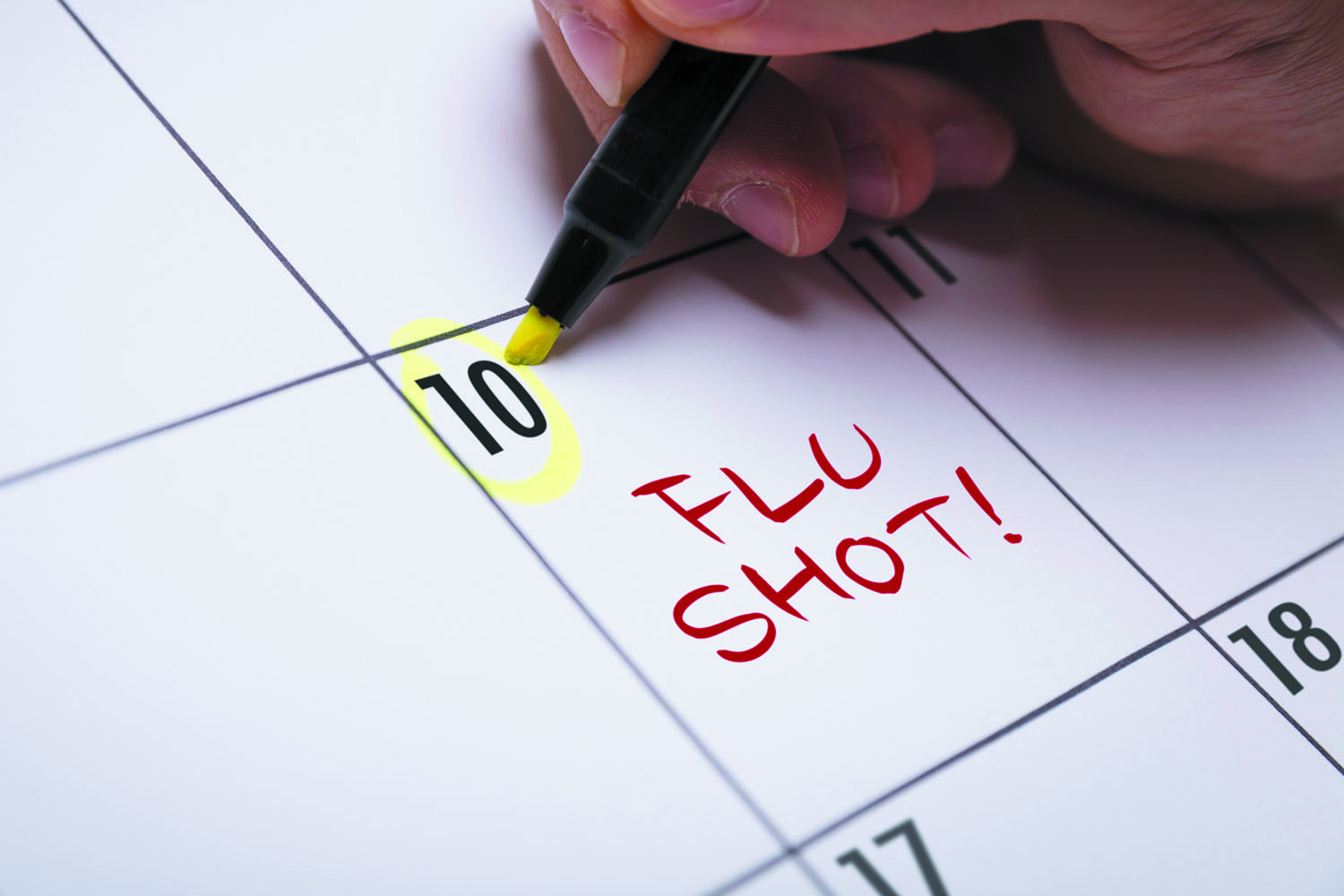
What’s the best time of year for a flu shot?
On call
Image: © Ildo Frazao/Thinkstock
Q. I always get an annual flu shot, but should I get it closer to the official beginning of flu season?
A. In simplest terms, the best time to get a flu shot is anytime you can. Waiting for the "perfect" time could cause you to procrastinate and miss the benefit of a yearly vaccination against the flu, which prevents 50% to 60% of the influenza infections in a typical season. But if you want to time it so it's closer to the typical flu season, October is ideal.
Aldosterone overload: An underappreciated contributor to high blood pressure
Can you retrain your brain to stop excessive drinking?
Beyond statins: New ways to lower LDL cholesterol
What is a cardioversion procedure?
For now, electric cars appear safe for people with implanted heart devices
Can you stop blood thinners after an ablation for atrial fibrillation?
Reversing prediabetes may slash heart disease risk by half
Waking up to urinate at night affects blood pressure
Finding and fixing a stiff, narrowed aortic valve
VO2 max: What it is and how you can improve it
Free Healthbeat Signup
Get the latest in health news delivered to your inbox!
Sign Up