

Healing after food poisoning

What is tempeh? Benefits, nutrition, and how to use it

Light exposure at night may raise risk for heart disease

Whole grains may improve several heart risk factors at once

A lumbar belt may help ease low back pain

Children of centenarians may stay healthier and live longer too, study finds

Signs of pneumonia: Sometimes vague and unexpected

The surprising link between ovarian cancer and the fallopian tubes

Using a vibration plate: What it can — and can't — do for your body

People who walk more or walk faster live longer, study finds
Urinary incontinence Archive
Articles
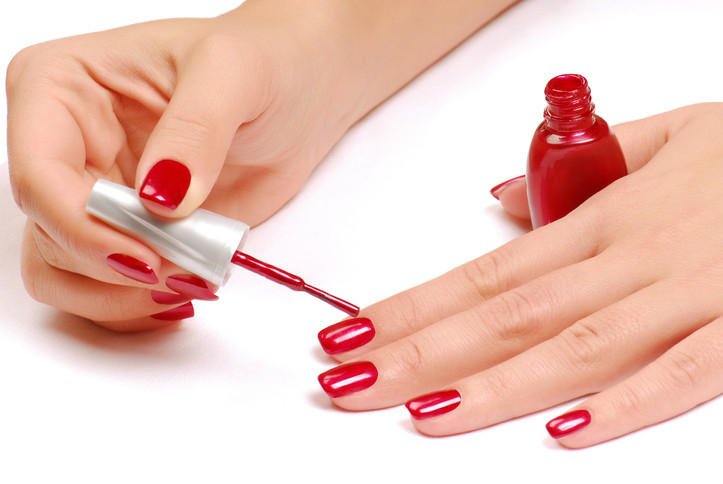
A look at the effects of nail polish on nail health and safety
Different types of nail polish can have varying effects on fingernails, and have pros and cons depending on the chemicals used in making them.

Why are women using CBD products — and do they work?
Many products containing CBD claim to help women with various health issues, including sleep, mood, symptoms of PMS or menopause, and sexual pleasure. Currently, very little evidence supports these extravagant promises, and there are concerns about the quality and safety of CBD products.

Straight talk on planking
Your core muscles are your body’s foundation, and the plank pose is a great exercise to do to help build core strength—it’s challenging but not complicated. Here’s everything you need to know to plank correctly.

Wait-and-see approaches to prostate cancer
Active surveillance and watchful waiting are the most conservative — and increasingly popular — approaches to prostate cancer management. Is one of these right for you?
Over the years, the outcome for prostate cancer has turned out to be better than expected for many men.
While prostate cancer is quite common, the risk of dying from the disease is low, even without treatment. In fact, most diagnosed men will die from something else, like heart disease. Even so, prostate cancer remains the second leading cause of cancer deaths (after lung cancer) in men, according to the American Cancer Society.

Eating more nuts may improve sexual function
In the journals
Need a sexual boost? Eat more nuts. A recent study found that men who added 60 grams — about 1/2 cup — of nuts to their daily diet improved several aspects of their sexual life. The results were published online June 19, 2019, by the journal Nutrients.
Researchers asked 83 healthy men to follow either a traditional Western-style diet without nuts, or a Western-style diet that also included 60 grams (about 360 calories) of a nut mixture made from almonds, hazelnuts, and walnuts every day. A questionnaire assessed their current sexual function.

Sexual and gender minorities face unique health risks
Memory problems and confusion are just the newest in a list of health problems that appear to disproportionately affect LGBT individuals.
Past research has shown that sexual and gender minority groups may be at higher risk for certain health conditions, including cardiovascular disease and mental health disorders such as anxiety and depression. A new study suggests that another condition — dementia — may also be on that list. Findings presented at the 2019 Alzheimer's Association International Conference showed that people who identified as a sexual or gender minority were more likely than other people to report worsening memory or increased confusion over the past year.
It's possible that some of the same underlying factors that affect risk of other diseases are playing a role in these reported cognitive changes as well, says Dr. Ole-Petter R. Hamnvik, an assistant professor of medicine at Harvard Medical School. "Almost any health outcome that you look at, you can find disparities in these groups. It's not just dementia," he says.

Women with post-traumatic stress disorder may be at higher risk for ovarian cancer
Research we're watching
Could a traumatic experience raise the risk of ovarian cancer? Researchers at the Harvard T.H. Chan School of Public Health and Moffitt Cancer Center found that women who remembered experiencing six or more symptoms of post-traumatic stress disorder (PTSD) had double the risk of later developing ovarian cancer, compared with women who had not reported PTSD symptoms. They were also more likely to develop a more aggressive form of the cancer. The researchers looked at data from more than 50,000 women who participated in the Nurses' Health Study II. Early in the study, women were asked to identify their most stressful life experience and any PTSD symptoms they had experienced following that event. Researchers then looked to see which of the women went on to develop ovarian cancer. The study, published Sept. 5 in Cancer Research, found higher cancer risk persisted even if a woman's PTSD symptoms had occurred decades in the past. Past animal research suggests that stress hormones may spur tumor growth.
Image: martinedoucet/Getty Images

5 things that can scuttle good sex
"The brain is the body's most important sex organ." This well-known phrase bears more than a little truth. Functional sex organs, appropriate hormone levels, and the ability to become sexually aroused alone don't guarantee good sex. Other factors — brain factors — can get in the way.
Relationship issues
Tension and emotional distance can undermine a couple's sex life. Conflicts having nothing to do with sex, like finances or child-raising issues, can be at the root of a sexual problem. It works the other way, too: a sexual issue can strain a couple's ability to get along.
PrEP prevents HIV — so why aren’t more people taking it?
PrEP (pre-exposure prophylaxis) is a daily medication taken to prevent HIV infection. While multiple studies show PrEP is effective, relatively few of those who might benefit are taking it. Will a 10-year initiative to reduce rates of HIV and a new formulation of PrEP help?
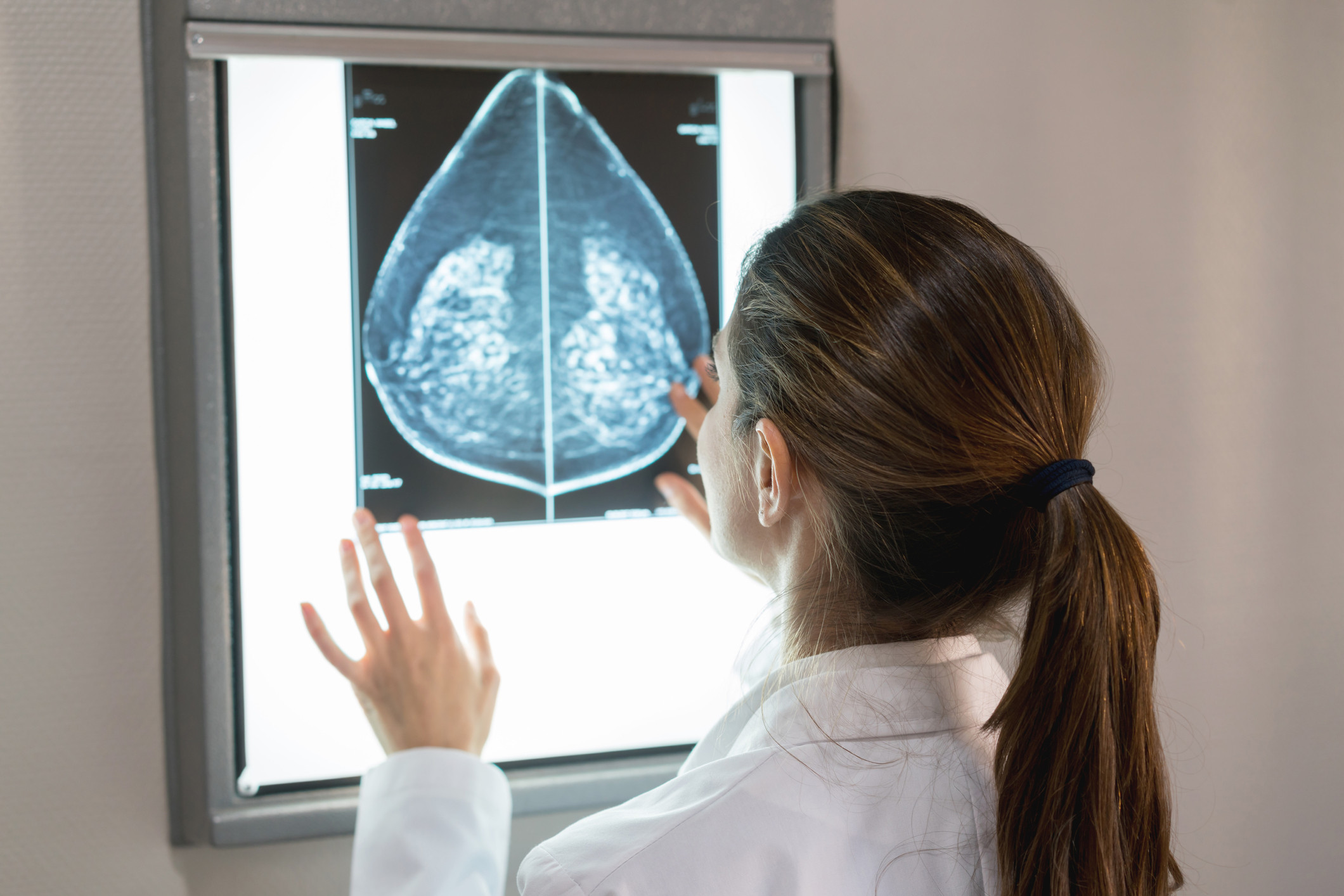
Dense breasts on a mammogram? What to know and do
Mammograms look for signs of breast cancer. They can also provide information on whether a woman has high breast density, which slightly increases risk for developing breast cancer. Here’s what you need to know and do if you’re notified about this risk factor.
Healing after food poisoning
What is tempeh? Benefits, nutrition, and how to use it
Light exposure at night may raise risk for heart disease
Whole grains may improve several heart risk factors at once
A lumbar belt may help ease low back pain
Children of centenarians may stay healthier and live longer too, study finds
Signs of pneumonia: Sometimes vague and unexpected
The surprising link between ovarian cancer and the fallopian tubes
Using a vibration plate: What it can — and can't — do for your body
People who walk more or walk faster live longer, study finds
Free Healthbeat Signup
Get the latest in health news delivered to your inbox!
Sign Up
