

Light exposure at night may raise risk for heart disease

Whole grains may improve several heart risk factors at once

A lumbar belt may help ease low back pain

Children of centenarians may stay healthier and live longer too, study finds

Signs of pneumonia: Sometimes vague and unexpected

The surprising link between ovarian cancer and the fallopian tubes

Using a vibration plate: What it can — and can't — do for your body

People who walk more or walk faster live longer, study finds

For sleep apnea, a dental device may be as effective as CPAP

Rosacea treatments: What works?
Stress Archive
Articles


5 ways to keep your memory sharp
The way you live, what you eat and drink, and how you treat your body can affect your memory just as much as your physical health and well-being. Here are five things you can do every day to keep both your mind and body sharp.
1. Manage your stress. The constant drumbeat of daily stresses such as deadline pressures or petty arguments can certainly distract you and affect your ability to focus and recall. But the bigger problem is an ongoing sense of anxiety — that can lead to memory impairment. If you don't have a strategy in place for managing your stress, protecting your memory is one reason to get one. Deep breathing, meditation, yoga, and a "mindful" approach to living can all help.


I'm so lonesome I could cry
The health risks of loneliness and isolation have been known for some time, but more recently research has shown the specific effects in the brain. Finding ways to make connections with other people is the best "medicine" to alleviate the mental and physical effects of loneliness.


Mental stress, gender, and the heart
Research we're watching
Mental stress can cause arteries throughout the body to constrict. In people with heart disease, this effect can reduce blood supply to the heart muscle, a phenomenon known as mental stress–induced ischemia. New research suggests that this problem may affect women differently from men.
For the study, 678 adults (average age 63) delivered a speech while researchers measured their blood pressure and heart rate, took imaging pictures of their hearts, and measured the constriction of tiny arteries in their fingers. In women, mental stress–induced ischemia mostly resulted from constriction of tiny arteries. The resulting greater resistance requires the heart to use more force in pumping blood. In contrast, the ischemia seen in men was mostly due to a rise in blood pressure and heart rate. The findings are yet another reminder for people to find ways to avoid and manage mental stress. But they also hint that women's hearts may be more vulnerable to this problem. The study was published online Dec. 21, 2017, by the journal Arteriosclerosis, Thrombosis, and Vascular Biology.
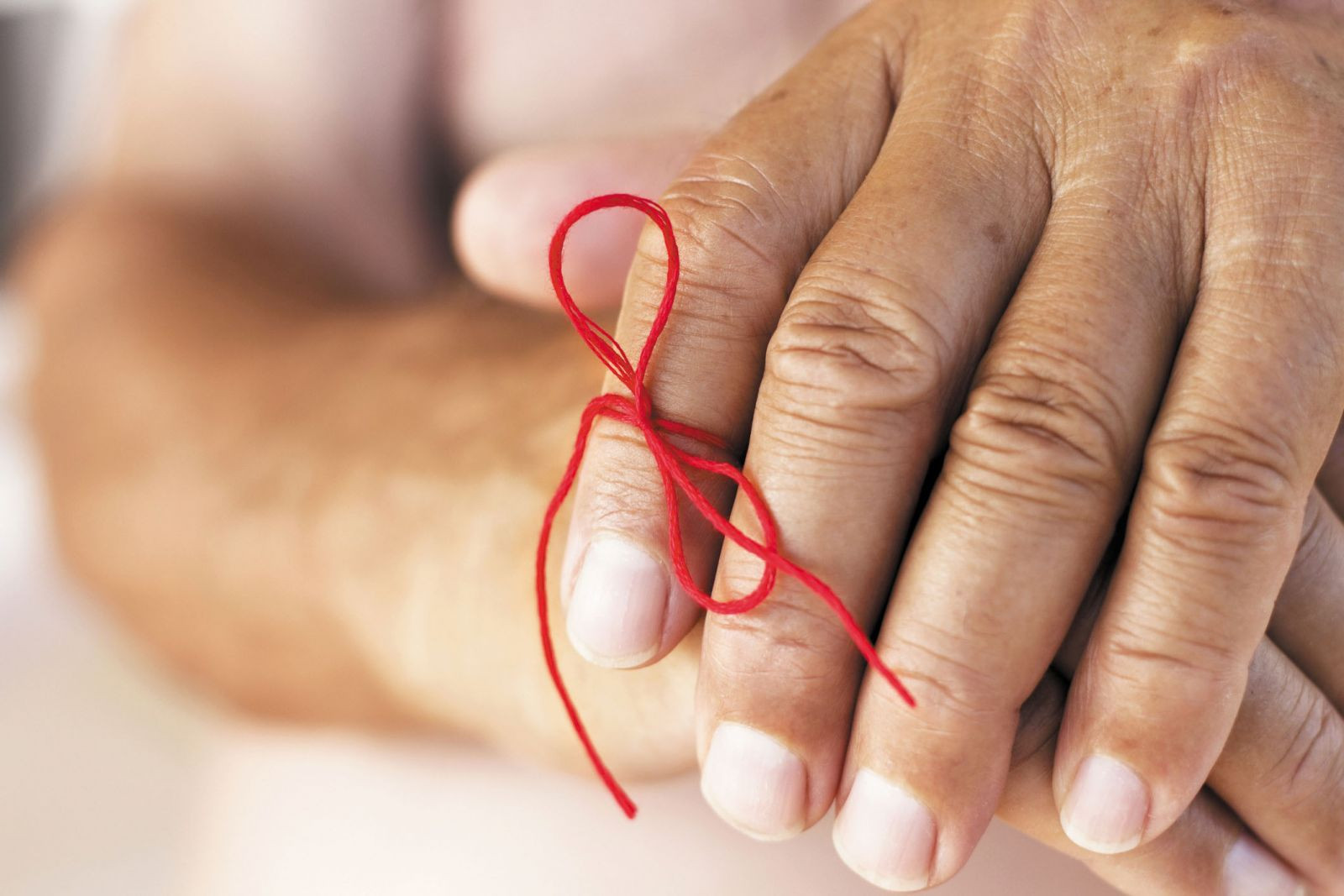
Forgetful? When to worry about memory changes
If you are noticing problems in yourself or a loved one, here's where to turn for help and support.
Image: © simarik/Getty Images
You're talking with a friend about a movie you saw recently, but can't remember the actor's name. Last week you found yourself upstairs, but couldn't remember what you came up to look for. Your keys are always missing. You worry: are these normal memory lapses or early signs of Alzheimer's disease or another form of dementia?
"Because there has been so much attention paid lately to the aging baby boomer population, I think Alzheimer's disease is getting a lot of attention, which is leading a lot of people to believe they may have the condition," says Dr. Suzanne Salamon, associate chief of the gerontology division at Beth Israel Deaconess Medical Center and assistant professor of medicine at Harvard Medical School.

Light exposure at night may raise risk for heart disease
Whole grains may improve several heart risk factors at once
A lumbar belt may help ease low back pain
Children of centenarians may stay healthier and live longer too, study finds
Signs of pneumonia: Sometimes vague and unexpected
The surprising link between ovarian cancer and the fallopian tubes
Using a vibration plate: What it can — and can't — do for your body
People who walk more or walk faster live longer, study finds
For sleep apnea, a dental device may be as effective as CPAP
Rosacea treatments: What works?
Free Healthbeat Signup
Get the latest in health news delivered to your inbox!
Sign Up
