

Healing after food poisoning

What is tempeh? Benefits, nutrition, and how to use it

Light exposure at night may raise risk for heart disease

Whole grains may improve several heart risk factors at once

A lumbar belt may help ease low back pain

Children of centenarians may stay healthier and live longer too, study finds

Signs of pneumonia: Sometimes vague and unexpected

The surprising link between ovarian cancer and the fallopian tubes

Using a vibration plate: What it can — and can't — do for your body

People who walk more or walk faster live longer, study finds
Stress Archive
Articles

For mellow movement that helps your heart, try tai chi
Tai chi is a gentle, adaptable practice that features flowing movements combined with breathing and cognitive focus. It may be especially helpful for people who are recovering from a heart attack or other medical problems or who have heart failure. Tai chi also can be a gateway to other types of physical activity because the practice may improve balance, reduce the risk of falls, and even help ease lower back pain—a common reason for avoiding exercise.
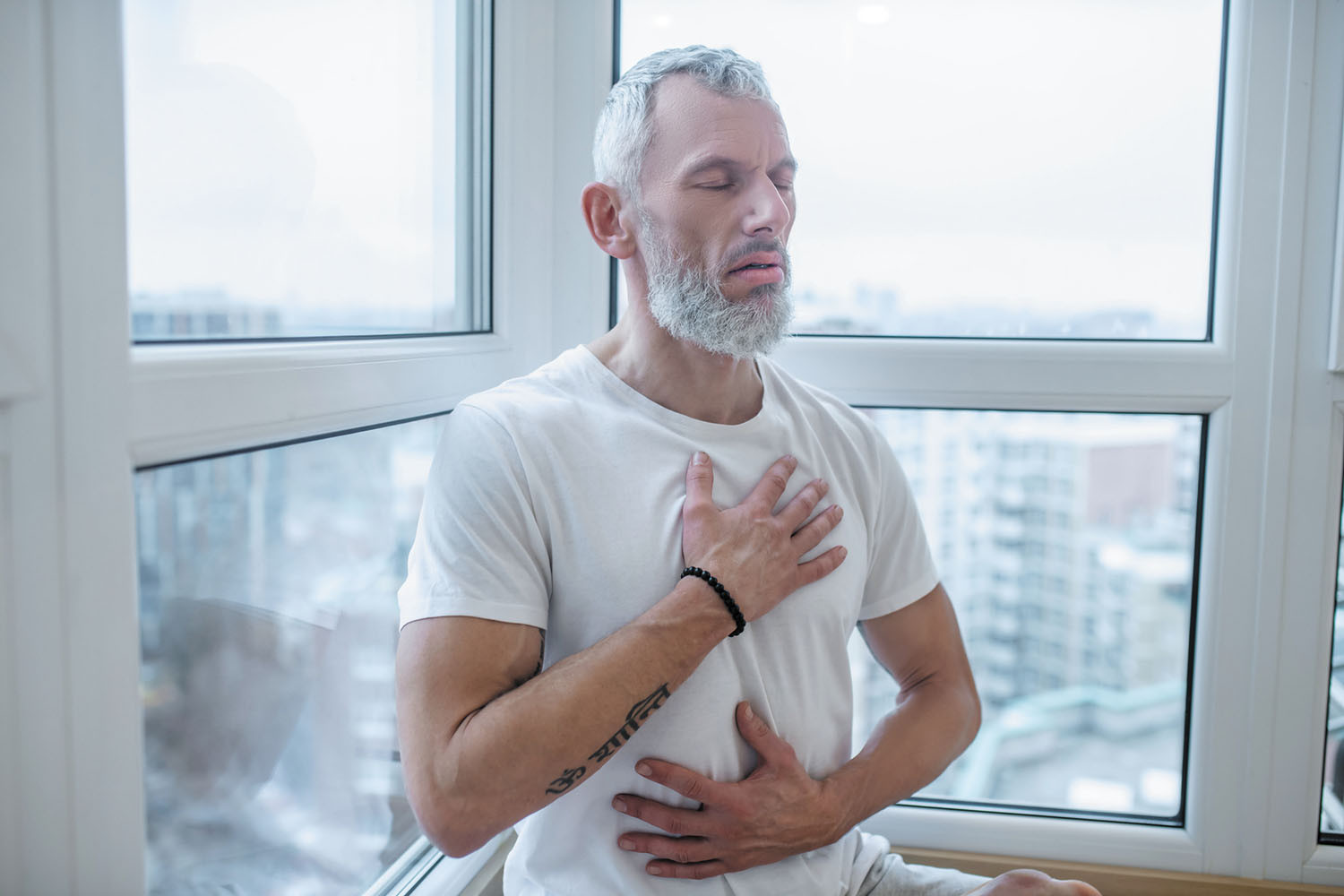
Try this: Take a tactical breather
Tactical breathing used by military and law enforcement personnel can help people manage anxiety and stay mentally sharp during stressful situations. It can also help calm a racing mind or soothe pain.

Lending a helping hand
People who devote time to helping others are often happier than those who don't. Serving others also helps brain health by increasing social connections, which can protect against loneliness and depression, and improving executive function skills like planning, attention, and remembering tasks. Common ways to help others include volunteering, mentoring, random acts of kindness, and seeing life from another person's perspective.

Grief can raise blood pressure
A 2023 study suggests that extreme grief after losing a loved one can raise people's systolic blood pressure, posing cardiovascular risks.

Mastering memory maintenance
Memory loss is a pervasive worry. Dementia will affect an estimated nine million Americans by 2030 and 12 million by 2040. A 2023 study suggests six healthy lifestyle factors can significantly slow memory decline: eating a healthy diet, exercising regularly, not smoking, not drinking alcohol, being socially active, and engaging in brain-challenging activities. Another 2023 study suggests regular Internet use may be linked to a lower risk of dementia.


Can you feel younger than your age?
Research has found that people with more positive attitudes about growing old tend to live longer than those with negative thoughts about aging. They also have a lower risk for diabetes, stroke, cancer, and heart disease and better cognitive functioning. People can maintain a healthy mindset about aging by adopting certain lifestyle habits, such as reducing anxiety, finding purpose in life, seeking challenges, socializing more, and rejecting negative stereotypes about aging.

Heart attacks may speed cognitive decline
Accelerated cognitive decline may be more common after a heart attack, probably because the same factors that lead to narrowed heart arteries (the root cause of most heart attacks) can also cause tiny, silent strokes. An accumulation of these strokes shows up as bright areas (called white matter lesions) on an MRI scan. These lesions are markers of typical cognitive changes that occur with age. But people who have heart attacks likely have more white matter lesions and experience even greater cognitive decline.

Magnesium-rich foods might boost brain health, especially in women
A 2023 study suggests that eating more magnesium-rich foods contribute to better brain health—especially in women—as people get older. This may lower the risk of dementia.

Steps to spot the signs of hoarding
Hoarding disorder is a mental health condition characterized by an inability to discard certain belongings to the point of unhealthy accumulation. While the types of hoarded items vary and might be useless to others—old clothes, boxes, papers, junk mail, or even spoiled food or garbage—the person hoarding the items is convinced they'll be needed one day. The mere idea of parting with them is extremely distressing. In time, stuff fills the home in mounds of disorganized clutter that jams rooms and hallways and threatens safety. Beyond clutter, signs of hoarding disorder include impaired behavior, such as social isolation, sleep loss, or indecision.
Healing after food poisoning
What is tempeh? Benefits, nutrition, and how to use it
Light exposure at night may raise risk for heart disease
Whole grains may improve several heart risk factors at once
A lumbar belt may help ease low back pain
Children of centenarians may stay healthier and live longer too, study finds
Signs of pneumonia: Sometimes vague and unexpected
The surprising link between ovarian cancer and the fallopian tubes
Using a vibration plate: What it can — and can't — do for your body
People who walk more or walk faster live longer, study finds
Free Healthbeat Signup
Get the latest in health news delivered to your inbox!
Sign Up
