

Healing after food poisoning

What is tempeh? Benefits, nutrition, and how to use it

Light exposure at night may raise risk for heart disease

Whole grains may improve several heart risk factors at once

A lumbar belt may help ease low back pain

Children of centenarians may stay healthier and live longer too, study finds

Signs of pneumonia: Sometimes vague and unexpected

The surprising link between ovarian cancer and the fallopian tubes

Using a vibration plate: What it can — and can't — do for your body

People who walk more or walk faster live longer, study finds
Stress Archive
Articles
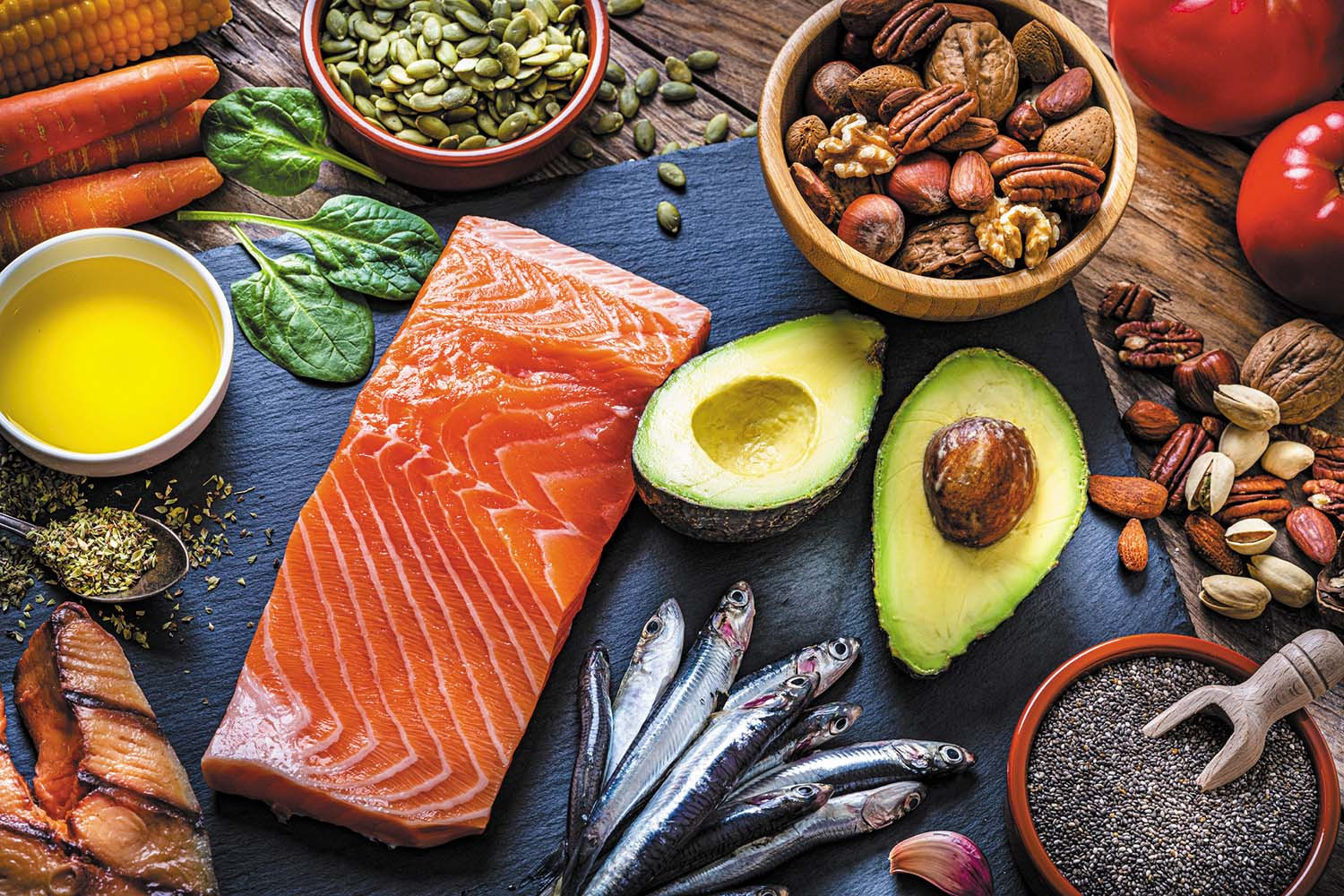
UK study confirms Mediterranean lifestyle benefits
A 2023 study of about 110,000 people in the United Kingdom suggested that those who most adhered to a Mediterranean lifestyle had a 28% lower risk of dying from cancer and a 29% lower risk of dying prematurely from any cause, compared with those who least adhered to the lifestyle.

Does poor sleep diminish the cognitive benefits of exercise?
In a 2023 study, among people age 50 or 60 who reported high rates of exercise, those who said they slept less than six hours per night had faster rates of cognitive decline over the next 10 years than those who said they got six to eight hours of sleep per night.

10 ways to find purpose in life
Having a sense of purpose is linked to important health benefits, such as longevity and sharp thinking skills. There are many ways to cultivate a sense of purpose. Ideas include thinking about one's strengths or skills and how to apply them; becoming a mentor; volunteering time to a worthy cause; reading Viktor Frankl's book Man's Search for Meaning; writing about lived experiences and sharing the information with family or friends; and thinking of longtime dreams and ways to achieve elements of them.

"Unsticking" sticky thoughts
It's hard to get rid of sticky thoughts, which play repeatedly in the mind and cause distress. Strategies that can help include going for a walk, staying busy by scheduling activities, limiting worry time to one specific period of each day, and talking to family and friends. If sticky thoughts don't go away after a few weeks, it might be time to talk to a primary care doctor or a therapist. Treatment might involve cognitive behavioral therapy, which helps someone recognize sticky thoughts and redirect them in ways that are less negative and more manageable.

Get back your social life to boost thinking, memory, and health
Staying socially active is associated with cognitive benefits and may play a role in longevity, stress reduction, and controlling mood. If a person has been out of touch with friends for a long time, one way to restart contact is to send a brief message asking how they're doing or recalling a shared activity. If the person reciprocates, the next step might be to suggest a meeting, ask to get together, or schedule a catch-up phone call or video chat.

Talking to children about tragedies and scary headlines in the news
When news of the world is overwhelming and awful, our first instinct is usually to shelter our children and not say anything about it to them at all, a strategy that's usually not viable. Instead parents can give children the perspective and skills they need to navigate a sometimes scary world.

Pain conditions are more common in women
Women are disproportionately affected by conditions that cause chronic pain, but they sometimes have difficulty getting a definitive diagnosis as to what is causing their pain and may be less likely to receive appropriate treatments even when they do.

Is online gambling harming you?
Online gambling is a popular and growing business, but for millions of Americans, what begins as occasional fun can lead to devastating problems. Trouble with gambling often builds gradually and severe gambling problems share risk factors with substance-related disorders.

A closer look at alcohol's effect on heart health
Excessive drinking can contribute to high blood pressure, obesity, and stroke, while moderate drinking (no more than one drink per day for women and two drinks or fewer per day for men) is linked to a lower risk of heart problems. One possible mechanism might be stress reduction. Brain scans of people who reported light to moderate drinking show less activity in the part of the brain that responds to stress, compared with the scans of people who abstained or drank very little. Stress not only raises blood pressure and heart rate but also triggers inflammation that causes plaque buildup, which contributes to heart attacks.

Hidden causes of weight gain
The reason for weight gain isn't always as obvious as inactivity or a poor diet. Weight gain can stem from many other causes. For example, it might reflect age-related physiological changes such as muscle loss, poor sleep, or changes in sex hormone levels; underlying conditions such as diabetes or sleep apnea; side effects from taking certain medications, such as antidepressants or beta blockers; or possibly the effects of eating late at night or the makeup of gut bacteria. Recent or excessive weight gain warrants a visit to a doctor to help pinpoint the issue.
Healing after food poisoning
What is tempeh? Benefits, nutrition, and how to use it
Light exposure at night may raise risk for heart disease
Whole grains may improve several heart risk factors at once
A lumbar belt may help ease low back pain
Children of centenarians may stay healthier and live longer too, study finds
Signs of pneumonia: Sometimes vague and unexpected
The surprising link between ovarian cancer and the fallopian tubes
Using a vibration plate: What it can — and can't — do for your body
People who walk more or walk faster live longer, study finds
Free Healthbeat Signup
Get the latest in health news delivered to your inbox!
Sign Up
