

People who walk more or walk faster live longer, study finds

For sleep apnea, a dental device may be as effective as CPAP

Rosacea treatments: What works?

Carb cycling: What is it, and does it work?

Understanding orthorexia: Have your healthy eating goals gone too far?

Salmonella, E. coli, Cyclospora, and other germs that cause food poisoning: What you need to know

Melatonin or magnesium: Can either supplement help you sleep?

Naturally gluten-free foods

Shingrix shingles vaccine linked with lower heart disease risks

Harvard study: Healthier fats linked to longer life after prostate cancer diagnosis
Sleep Archive
Articles

Foods that fight inflammation
Pro-inflammatory foods include fried foods, sodas, refined carbohydrates, and red meat. Green vegetables, berries, whole grains, and fatty fish are thought to combat the inflammatory process.

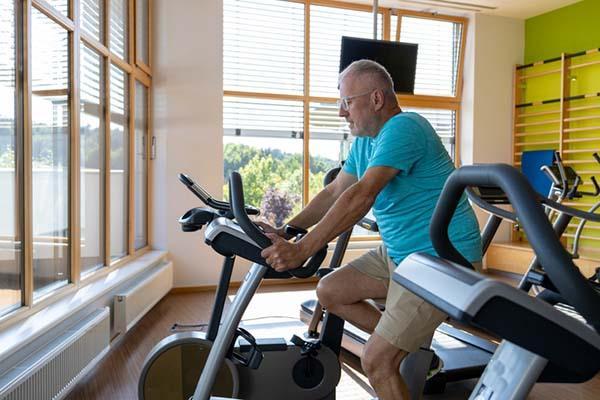
Even small changes in physical activity may boost longevity
A large 2026 study estimated that adding just five minutes a day of moderate to vigorous activity might prevent up to 10% of deaths during an eight-year period. Sitting for 30 minutes or less might prevent up to 7% of deaths.

What is CBT-i?
Cognitive behavioral therapy for insomnia (CBT-i) identifies and challenges thoughts about sleep that make it more difficult, eradicates bedroom activities other than sleep and sex, limits the time spent in bed to increase the drive to sleep, and teaches relaxation techniques.

Stretching studios: Do you need what they offer?
One trend in the world of fitness is the stretching studio, providing assisted stretching sessions marketed as a way to improve flexibility and ease chronic pain. But those looking to boost their overall health are more likely to benefit from regular, moderate physical activity, and do their stretching at home.


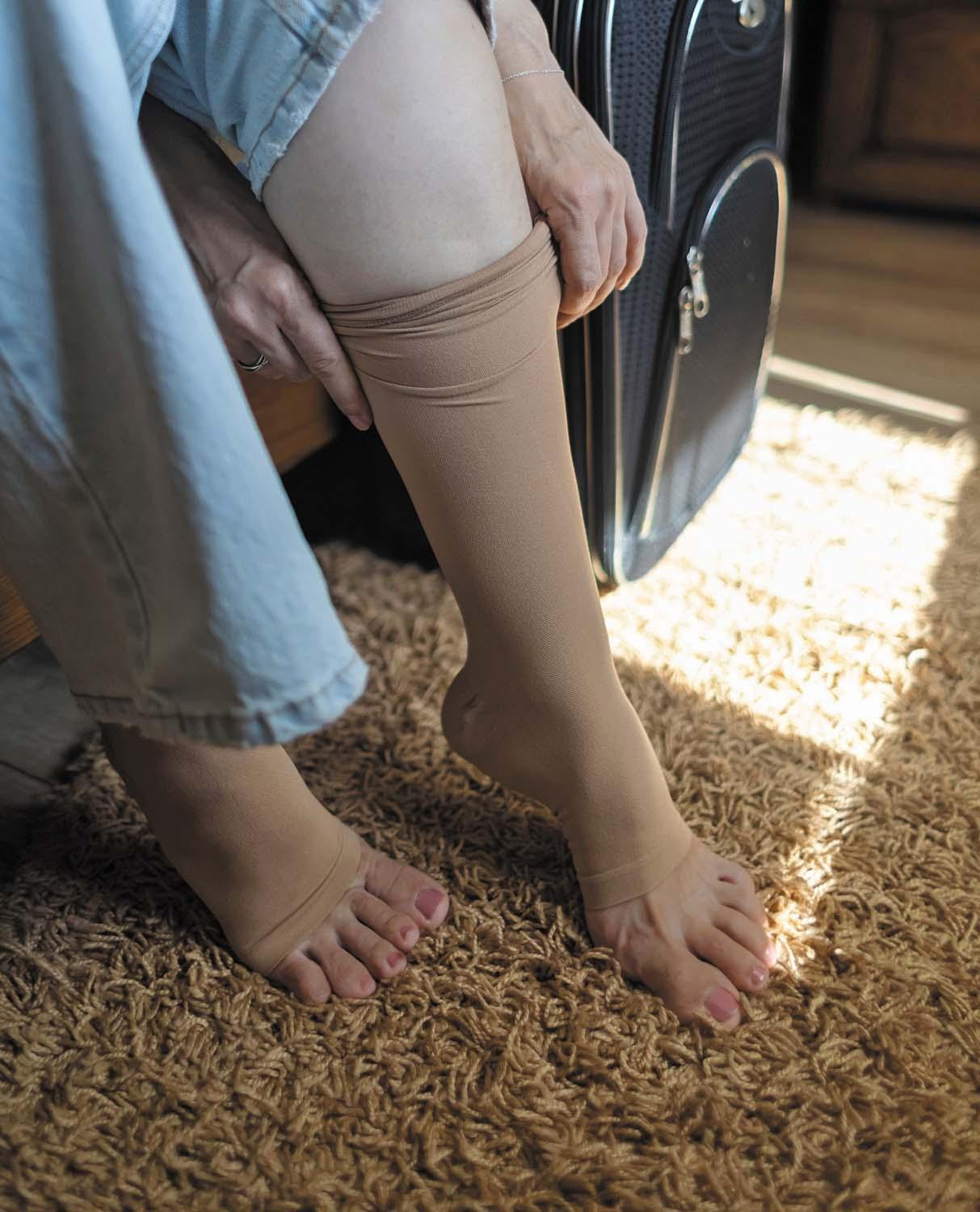
Could you benefit from wearing compression socks?
Compression socks are snug, supportive stockings that can help people who struggle with leg swelling or circulation issues. They're commonly used for certain vein problems or clot risks, and a doctor can help decide who needs them and how to use them.

5 simple ways to improve gut health
Gut health plays a bigger role in overall well-being than many people realize, affecting digestion, mood, and immunity. Simple daily choices around food, movement, sleep, stress, and hydration can support a healthier, more resilient gut.

What can I do about poor night vision?
Poor night vision could be caused by an outdated eyeglass prescription or an eye condition, such as dry eye, cataracts, or age-related macular degeneration. People should see an eye care specialist for a complete eye exam to check for these issues.
People who walk more or walk faster live longer, study finds
For sleep apnea, a dental device may be as effective as CPAP
Rosacea treatments: What works?
Carb cycling: What is it, and does it work?
Understanding orthorexia: Have your healthy eating goals gone too far?
Salmonella, E. coli, Cyclospora, and other germs that cause food poisoning: What you need to know
Melatonin or magnesium: Can either supplement help you sleep?
Naturally gluten-free foods
Shingrix shingles vaccine linked with lower heart disease risks
Harvard study: Healthier fats linked to longer life after prostate cancer diagnosis
Free Healthbeat Signup
Get the latest in health news delivered to your inbox!
Sign Up
