

Naturally gluten-free foods

Harvard study: Healthier fats linked to longer life after prostate cancer diagnosis

Shingrix shingles vaccine linked with lower heart disease risks

Estrogen-only hormone therapy tied to lower dementia risk
Should you have a hysterectomy?

Stair climbing may significantly lower cardiovascular risks

Why do I sweat so much?

Walking pneumonia: The "mild" illness that can still pack a punch

What causes knee pain: How doctors make a diagnosis

Where you carry excess weight matters in predicting heart disease risk
Sexually transmitted infections (STIs) Archive
Articles

Be wise about bee and wasp stings
In most cases, bee, wasp, or hornet stings can be treated with simple remedies. For example, placing a cold pack on the sting site helps reduce swelling. Applying over-the-counter hydrocortisone cream helps relieve swelling and itching, too. Taking an antihistamine—such as fexofenadine (Allegra) or loratadine (Claritin)—also eases itching. If symptoms persist for a few days, it’s time to call a doctor. If a severe allergic response develops—indicated by difficulty breathing or hives—it’s crucial to call 911 for help and get an injection of epinephrine as soon as possible.

Ringworm: What to know and do
Ringworm is a common, contagious skin infection caused by a fungus. Children can get it from other people who have it or from an infected animal. While it can be itchy and unpleasant, ringworm is usually harmless.

What should you do if you discover a lump in your breast?
A new breast lump can be alarming, but not all require immediate surgery. A doctor will determine the appropriate next steps, which may include medical tests.
Late-start hormone therapy: Safe or risky?
Guidelines recommend that women starting hormone therapy do so before age 60 and within 10 years of menopause onset. Starting later may raise the risks of heart attack, stroke, or dementia. Women who start hormone therapy at 70 or older face even greater cardiovascular risks.
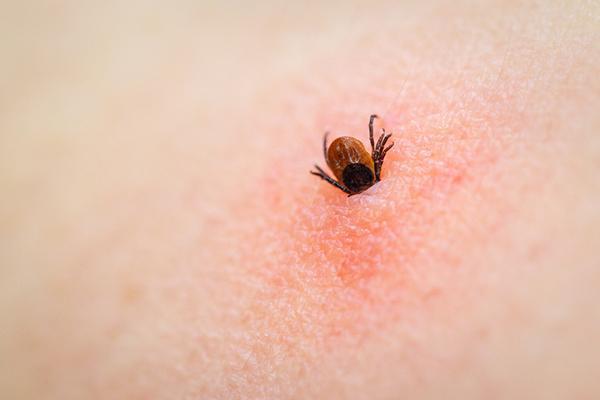
The problem with "classic" Lyme disease symptoms
Most people with early-stage Lyme disease symptoms develop a rash, but it often lacks bull’s-eye features—which many people have been told to look for. Other signs of Lyme disease include headache, neck pain, joint aches, and fatigue.

Is it necessary to reduce a fever with ice packs or cold baths?
Cold baths and ice packs may feel instinctive when a fever hits, but most cases call for a different approach.

STIs later in life: What men need to know
It’s possible for people of any age to contract sexually transmitted infections (STIs). STIs are sometimes symptom-free, making them easy to miss, pass along, and ignore.

Staying active throughout middle age may lower women's risk of dying early
A 2026 study suggested that women who consistently stay active throughout middle age have a significantly lower risk of dying early than peers who are inactive.
What could cause a painful breast lump in a man?
A new, tender lump in a man’s breast doesn't necessarily mean cancer. But it should not be ignored. Gynecomastia is one possible cause, but there are others.
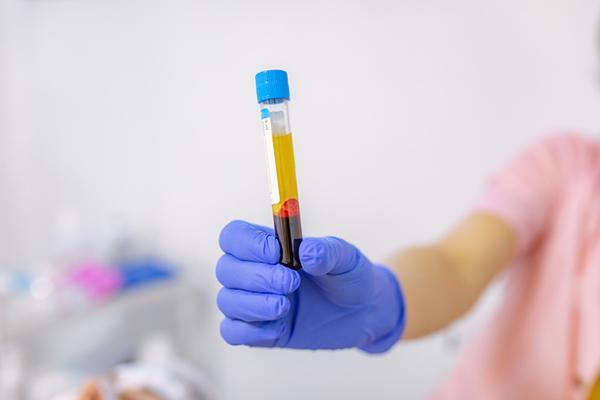
What could cause a high lymphocyte count?
An elevated lymphocyte count usually indicates a simple viral illness. Less often, it could indicate a blood cancer. How the number is calculated shapes what it may mean.
Naturally gluten-free foods
Harvard study: Healthier fats linked to longer life after prostate cancer diagnosis
Shingrix shingles vaccine linked with lower heart disease risks
Estrogen-only hormone therapy tied to lower dementia risk
Should you have a hysterectomy?
Stair climbing may significantly lower cardiovascular risks
Why do I sweat so much?
Walking pneumonia: The "mild" illness that can still pack a punch
What causes knee pain: How doctors make a diagnosis
Where you carry excess weight matters in predicting heart disease risk
Free Healthbeat Signup
Get the latest in health news delivered to your inbox!
Sign Up
