

Naturally gluten-free foods

Harvard study: Healthier fats linked to longer life after prostate cancer diagnosis

Shingrix shingles vaccine linked with lower heart disease risks

Estrogen-only hormone therapy tied to lower dementia risk
Should you have a hysterectomy?

Stair climbing may significantly lower cardiovascular risks

Why do I sweat so much?

Walking pneumonia: The "mild" illness that can still pack a punch

What causes knee pain: How doctors make a diagnosis

Where you carry excess weight matters in predicting heart disease risk
Sexually transmitted infections (STIs) Archive
Articles

Should men over 70 with a family history still get a PSA test?
A 77-year-old man with a brother who died of prostate cancer weighs the pros and cons of PSA screening with age, health, and risk in mind.

Can my birth control pills change the dose of thyroid medication I need?
Find out how estrogen-containing birth control can affect thyroid hormone replacement, and why your levothyroxine dose may need closer monitoring.

Can MRSA return after treatment?
A MRSA infection may be treatable, yet the bacteria can sometimes remain on the body and return. Find out what recovery and prevention involve.

Taking charge of prostate cancer
Men with low-risk prostate cancer continue to choose active surveillance as their course of action, meaning they monitor their cancer and don’t seek treatment unless it becomes worse. While this wait-and-see approach may appear passive in nature, it’s an opportunity for men to take charge of their health and make lifestyle changes that could improve their cancer outcome and offer protection against other health risks, like heart disease.

What should pregnant women know about flu shots?
Pregnancy can change the balance of risks and benefits around flu vaccination. Key safety considerations may help guide a discussion with your obstetrician.

How PMOS (once called PCOS) affects women after menopause
While menopause means the end of irregular periods and heavy bleeding typical in women with polyendocrine metabolic ovarian syndrome (PMOS; formerly polycystic ovary syndrome, or PCOS), they continue to face some of the same symptoms along with greater lifelong health risks.

Do I need prolapse surgery?
For women with pelvic organ prolapse, surgery is typically considered when symptoms interfere with daily life and when conservative measures to relieve the symptoms have failed or are unappealing.

Musculoskeletal syndrome of menopause: When menopause makes you ache all over
Musculoskeletal syndrome of menopause is a newly recognized condition that links falling estrogen levels to widespread joint and muscle pain, stiffness, fatigue, and other symptoms. Estrogen loss at midlife can also reduce muscle mass and bone density.
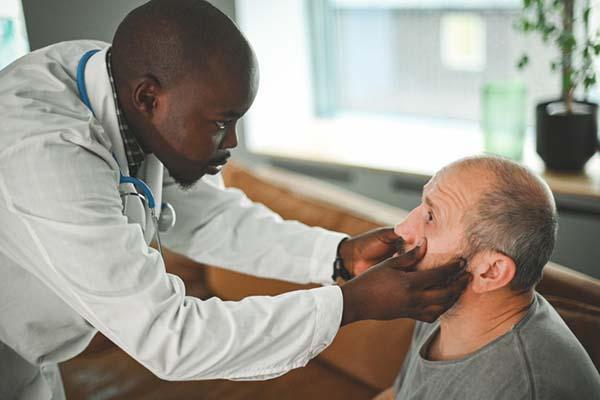
Can stress cause Bell's palsy?
Explore what doctors know about Bell’s palsy triggers, from stress to viral infections and diabetes, and why pinpointing a cause is tricky

Could my blood pressure medication be causing my hot flashes to return?
After starting treatment for high blood pressure, your hot flashes are back. Explore how medications and other conditions might be involved.
Naturally gluten-free foods
Harvard study: Healthier fats linked to longer life after prostate cancer diagnosis
Shingrix shingles vaccine linked with lower heart disease risks
Estrogen-only hormone therapy tied to lower dementia risk
Should you have a hysterectomy?
Stair climbing may significantly lower cardiovascular risks
Why do I sweat so much?
Walking pneumonia: The "mild" illness that can still pack a punch
What causes knee pain: How doctors make a diagnosis
Where you carry excess weight matters in predicting heart disease risk
Free Healthbeat Signup
Get the latest in health news delivered to your inbox!
Sign Up
