

Naturally gluten-free foods

Harvard study: Healthier fats linked to longer life after prostate cancer diagnosis

Shingrix shingles vaccine linked with lower heart disease risks

Estrogen-only hormone therapy tied to lower dementia risk

Should you have a hysterectomy?

Stair climbing may significantly lower cardiovascular risks

Why do I sweat so much?

Walking pneumonia: The "mild" illness that can still pack a punch

What causes knee pain: How doctors make a diagnosis

Where you carry excess weight matters in predicting heart disease risk
Sexually transmitted infections (STIs) Archive
Articles
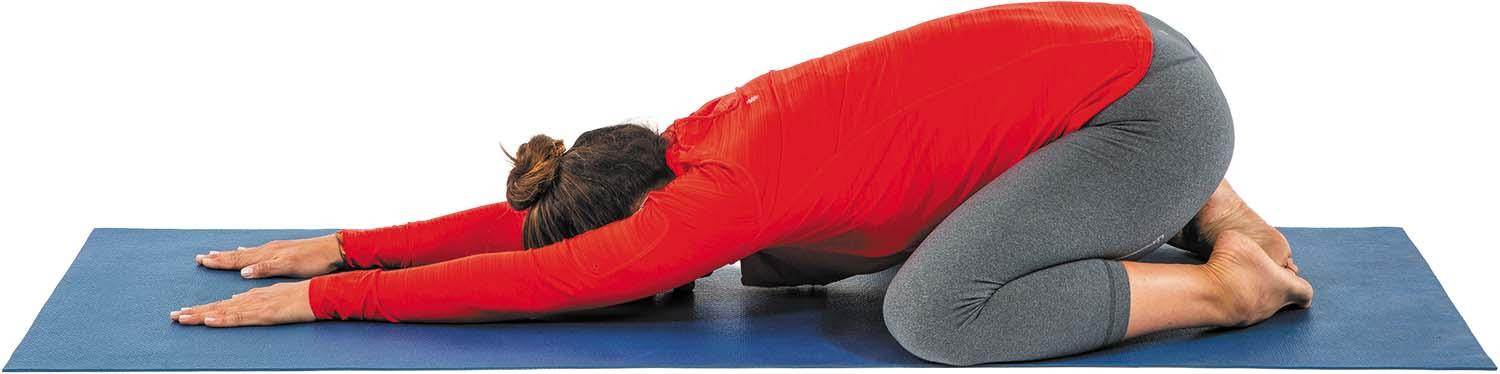
Pelvic floor exercises: Help for incontinence, sexual health, and more
Pelvic floor exercises can involve strengthening or stretching the muscles that support the bladder, bowel, and core. The exercises can lead to better bladder and bowel control. They can also help improve sexual function.

Can men hold off on treating recurring prostate cancer?
What happens if PSA levels start rising after surgery or radiation for prostate cancer? Sometimes men live the rest of their lives with a rising PSA without ever developing metastases. Now, an ultra-sensitive scanning technology is raising new questions about biochemical recurrence and how to manage it.

Antibiotic-free fixes for recurrent UTIs
About 60% of women will develop a urinary tract infection (UTI) sometime during their lives, and more than a quarter of this group will cope with recurrent UTIs. Long-term antibiotic use for UTIs can lead to antibiotic resistance and make side effects more likely.

When can older women stop getting mammograms?
Mammogram screening guidelines for women 74 and older vary considerably. Randomized, controlled clinical trials have not examined the implications of screening mammograms in women 70 and older, and treating tumors unlikely to reduce life expectancy can harm women.

Why might women's voices change with age?
People's voices can change due to age-related vocal cord changes. Women's voices can also get deeper due to a decline in estrogen. Other factors that contribute to voice changes in older adults include weakening muscles in the lungs, which dampen the ability to speak loudly.
What are the early warning signs of cervical cancer?
Early signs of cervical cancer can include blood-tinged vaginal discharge, heavier discharge than usual, spotting or bleeding between periods, menstrual flow that’s heavier or lasts longer than usual, bleeding or pain during or after intercourse, and vaginal bleeding after menopause.

Women gain heart protection with far less exercise than men
A 2025 study suggested that women are less likely to develop coronary artery disease even when engaging in less moderate-to-vigorous exercise than men.

Women face barriers to cardiac rehab despite proven benefits
A 2025 scientific statement from the American Heart Association indicated that women with cardiovascular disease are far less likely than men with the condition to take part in cardiac rehabilitation programs, despite the proven benefits.


Naturally gluten-free foods
Harvard study: Healthier fats linked to longer life after prostate cancer diagnosis
Shingrix shingles vaccine linked with lower heart disease risks
Estrogen-only hormone therapy tied to lower dementia risk
Should you have a hysterectomy?
Stair climbing may significantly lower cardiovascular risks
Why do I sweat so much?
Walking pneumonia: The "mild" illness that can still pack a punch
What causes knee pain: How doctors make a diagnosis
Where you carry excess weight matters in predicting heart disease risk
Free Healthbeat Signup
Get the latest in health news delivered to your inbox!
Sign Up
