

Naturally gluten-free foods

Harvard study: Healthier fats linked to longer life after prostate cancer diagnosis

Shingrix shingles vaccine linked with lower heart disease risks

Estrogen-only hormone therapy tied to lower dementia risk
Should you have a hysterectomy?

Stair climbing may significantly lower cardiovascular risks

Why do I sweat so much?

Walking pneumonia: The "mild" illness that can still pack a punch

What causes knee pain: How doctors make a diagnosis
Where you carry excess weight matters in predicting heart disease risk
Sexually transmitted infections (STIs) Archive
Articles
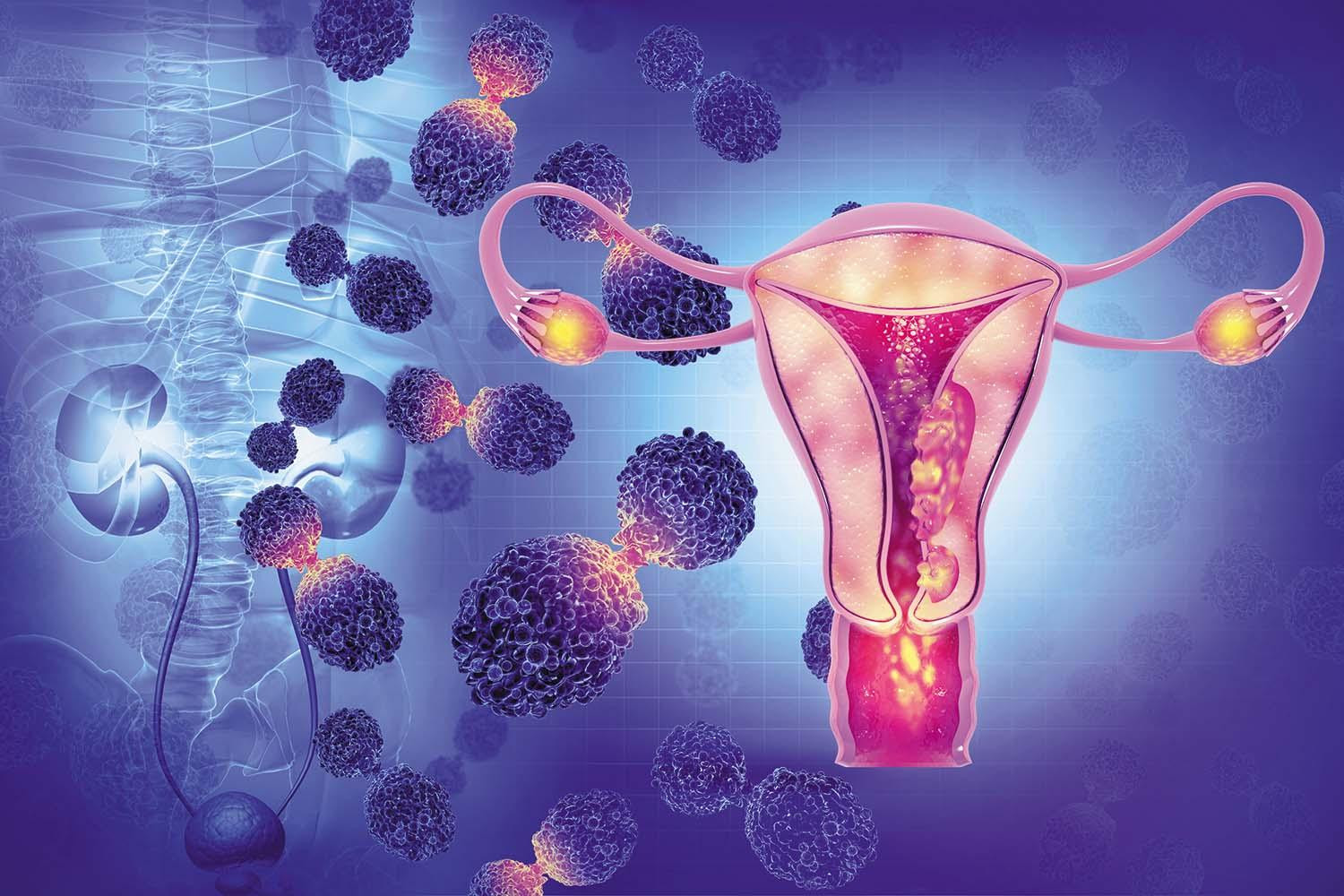
What raises your risk for gynecologic cancer?
Gynecologic cancers, which affect the ovaries, uterus, cervix, vagina, or vulva, are less common than breast cancer. Women can guard against these cancers by learning the risk factors for each type, which include obesity, exposure to human papillomavirus, and smoking. Women should also continue pelvic exams and cervical cancer screenings after a hysterectomy or menopause, as well as watch for unusual symptoms. Women with a strong family history of gynecologic or certain other cancers should consider genetic testing.

Is acetaminophen safe during pregnancy?
A statement from a group of doctors and scientists raised concerns around taking acetaminophen during pregnancy, but research backing this is based on observational studies and animal studies, so that no firm conclusions can be drawn from it. Here's what to consider if you're pregnant.

Decoding your breast cancer risk
Breast cancer risk assessment scores can enable clinicians to estimate a woman's risk of developing invasive breast cancer over the next five years, as well as her lifetime risk. The tools ask users about myriad factors that influence breast cancer risk. But risk calculators don't necessarily provide the kind of precision and insight some women seek. A risk score can't tell a woman for certain whether she will or won't develop breast cancer. Risk calculators typically also don't determine when or how often most women should seek mammograms.
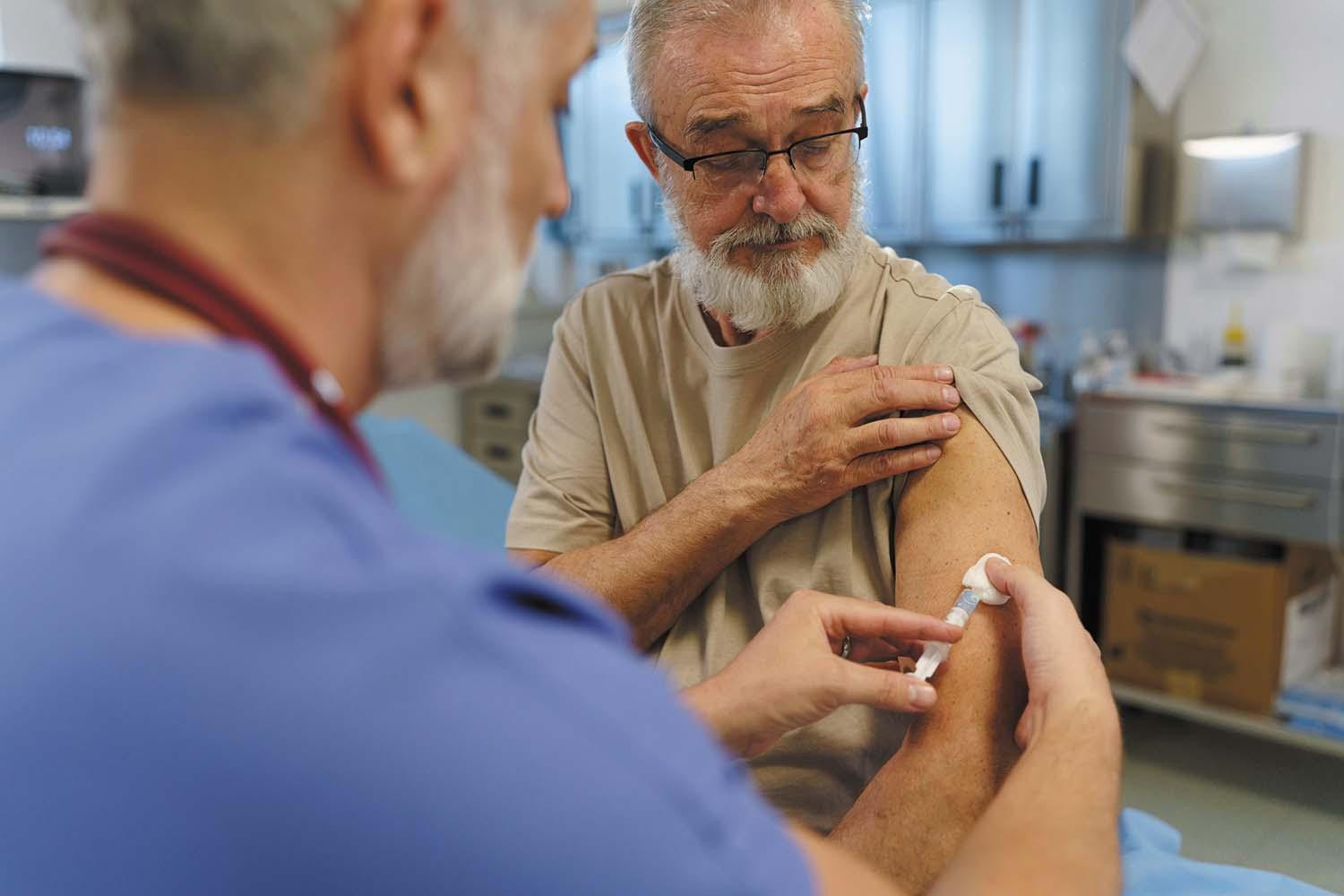
Infections, vaccines, and heart disease: What you need to know
Getting vaccinated against influenza (flu), COVID-19, and pneumonia is especially important for people who have cardiovascular disease. The coughing and congestion that commonly occur with respiratory infections can make breathing more difficult, and the potential drop in oxygen puts added stress on the heart. Serious infections sometimes trigger sepsis, which happens when the immune system is overwhelmed or goes into overdrive, causing symptoms such as a rapid heart rate, very fast breathing, and low blood pressure. These complications can lead to a heart attack.
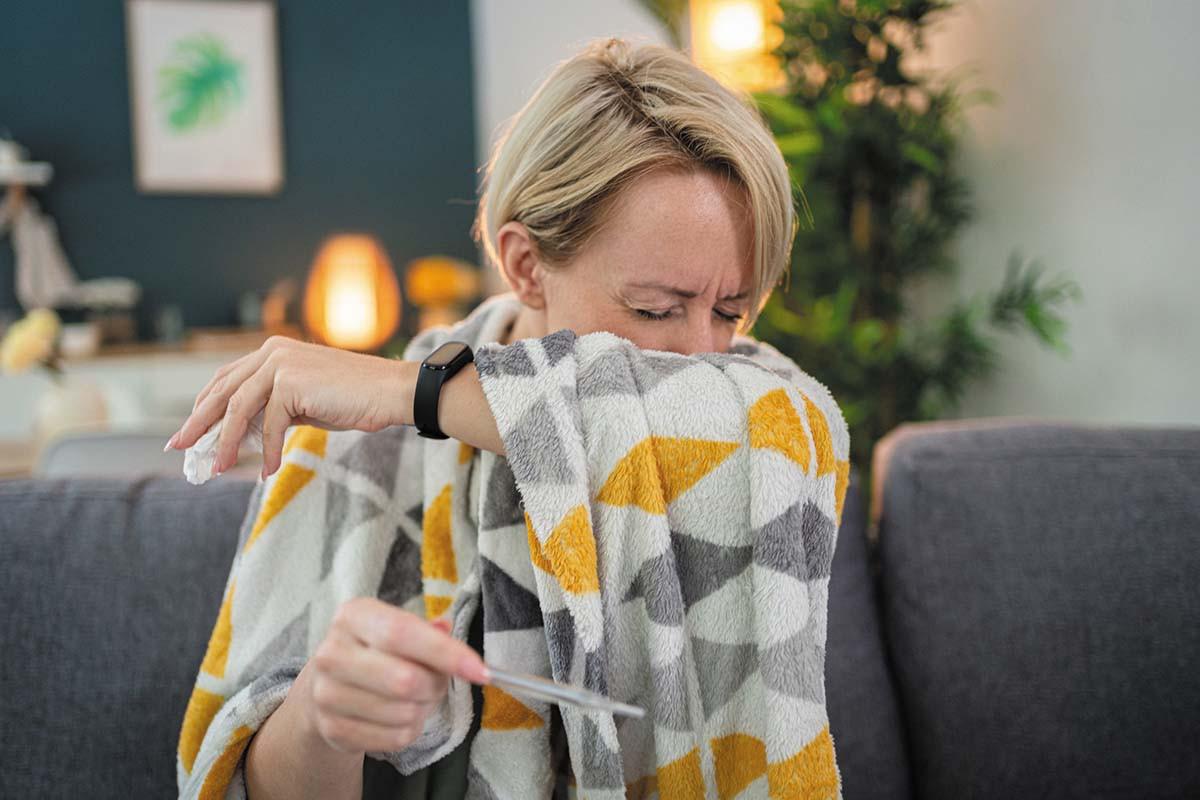
Why does the flu cause body aches?
The flu virus triggers bodywide aches and pain by causing inflammation. People can ease flu aches by staying hydrated; taking warm showers; and using over-the-counter anti-inflammatory drugs such as ibuprofen (Advil, Motrin) or naproxen (Aleve).
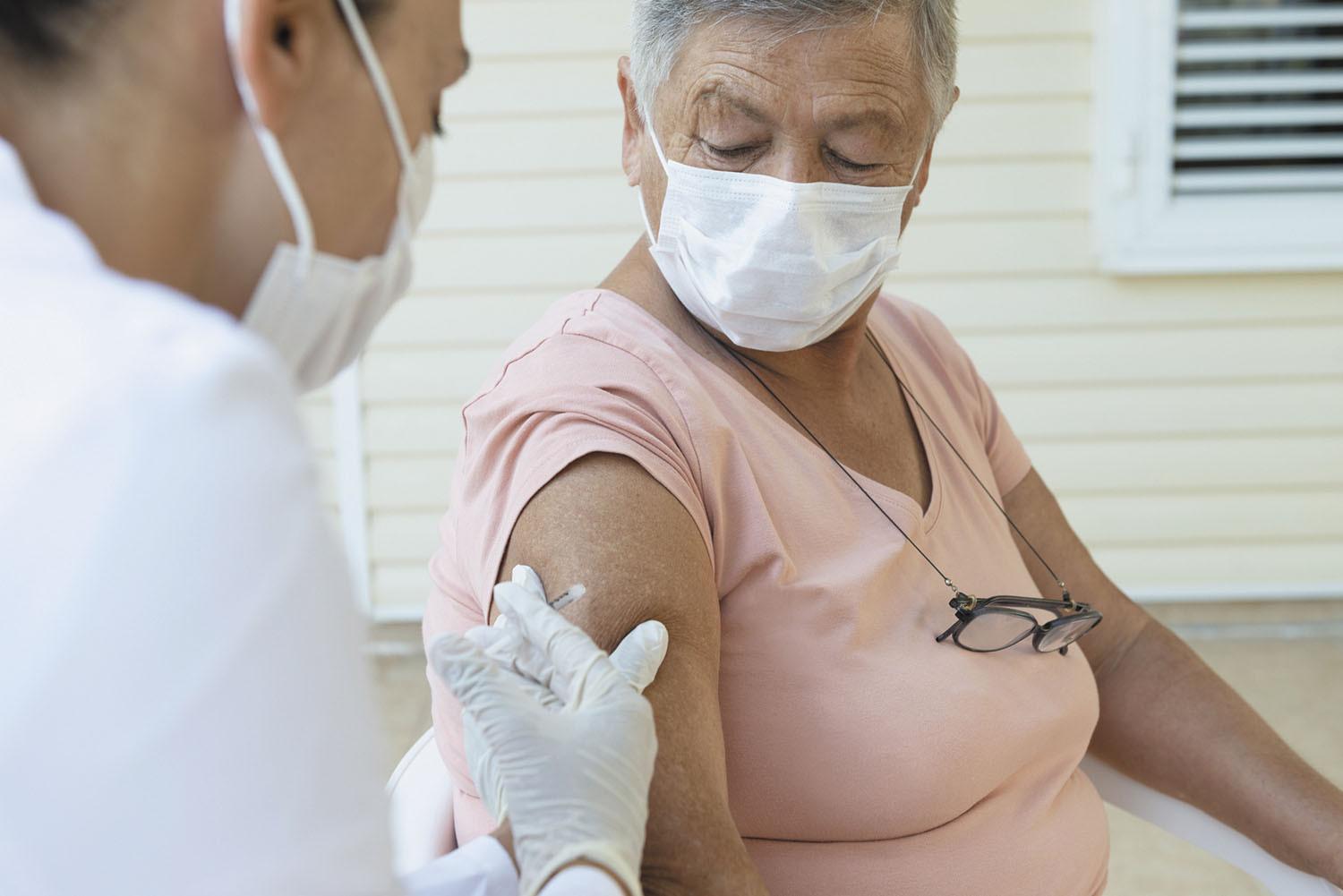
Why do we need new flu shots every year?
With influenza virus, a new vaccine must be developed each year to adapt to the virus's changing structure.

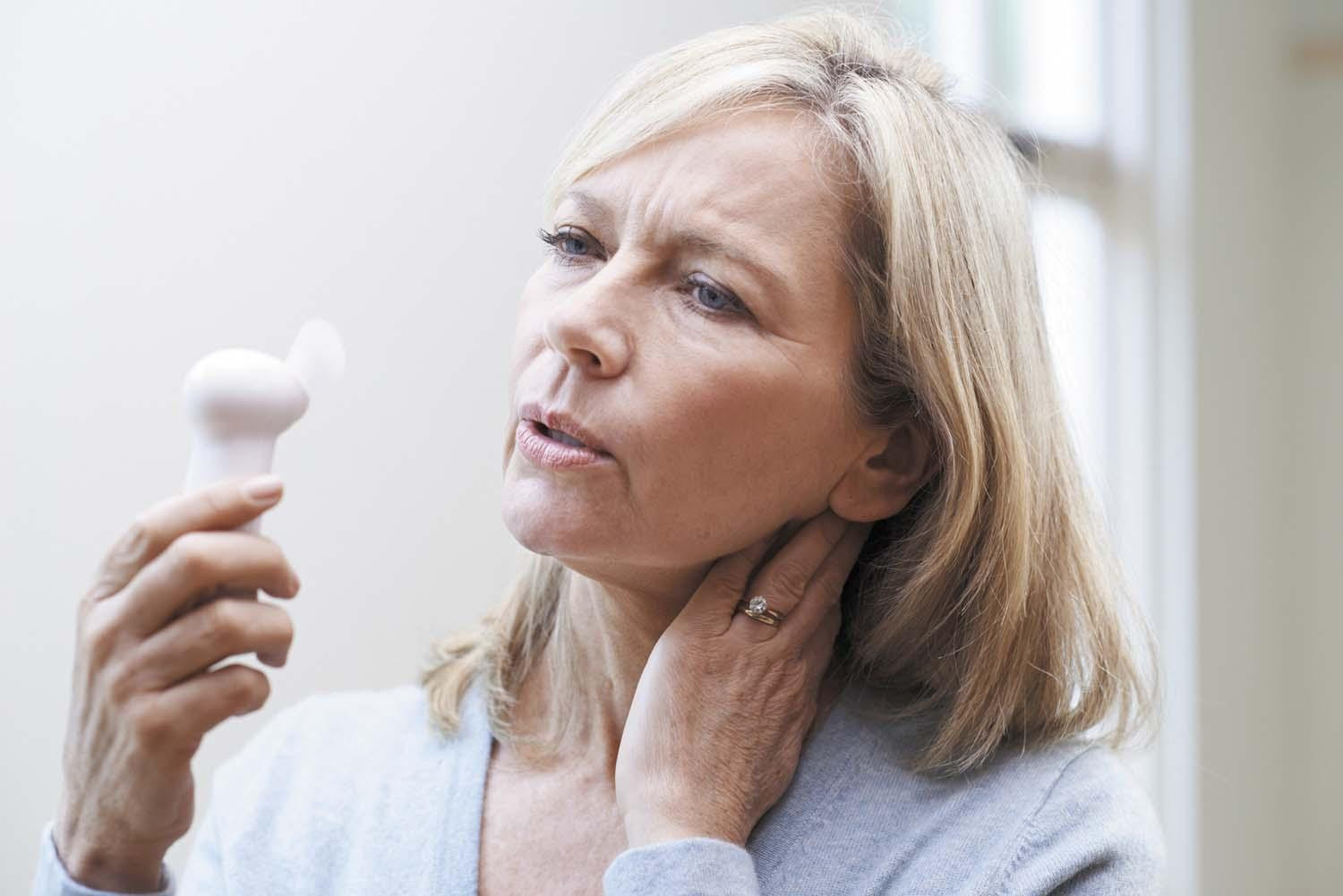
Are hot flashes a warning sign?
Menopausal hot flashes and night sweats, called vasomotor symptoms, are linked in research to higher odds of dementia and cardiovascular disease. But studies don't necessarily account for other health and lifestyle factors that influence brain and heart health. Women who are physically active and have a lower body mass index are less likely to become cognitively impaired. Disrupted sleep, which is common for women with vasomotor symptoms, may also contribute to cardiovascular and cognitive problems.

Shingles vaccine may protect against dementia
A 2025 study suggested that getting the shingles vaccine can significantly reduce the likelihood of developing dementia, especially among women.

How is PSA used to monitor prostate cancer?
Men on active surveillance for low-risk prostate cancer might need treatment if their PSA levels start to rise. Doctors also measure PSA to check for recurring cancer in men who were already treated with surgery or radiation. But use of the test in such cases differs in important ways.
Naturally gluten-free foods
Harvard study: Healthier fats linked to longer life after prostate cancer diagnosis
Shingrix shingles vaccine linked with lower heart disease risks
Estrogen-only hormone therapy tied to lower dementia risk
Should you have a hysterectomy?
Stair climbing may significantly lower cardiovascular risks
Why do I sweat so much?
Walking pneumonia: The "mild" illness that can still pack a punch
What causes knee pain: How doctors make a diagnosis
Where you carry excess weight matters in predicting heart disease risk
Free Healthbeat Signup
Get the latest in health news delivered to your inbox!
Sign Up
