

Naturally gluten-free foods

Harvard study: Healthier fats linked to longer life after prostate cancer diagnosis

Shingrix shingles vaccine linked with lower heart disease risks

Estrogen-only hormone therapy tied to lower dementia risk

Should you have a hysterectomy?

Stair climbing may significantly lower cardiovascular risks

Why do I sweat so much?

Walking pneumonia: The "mild" illness that can still pack a punch

What causes knee pain: How doctors make a diagnosis

Where you carry excess weight matters in predicting heart disease risk
Sexually transmitted infections (STIs) Archive
Articles
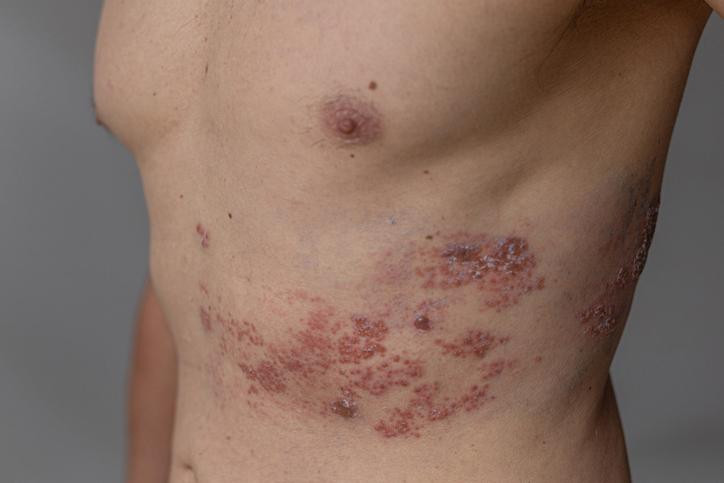
What to do if you have - or suspect you have - shingles
Shingles occurs when the dormant chickenpox virus reactivates, causing tingling, burning, and a painful, blistering rash. Shingles can affect anyone who has had chickenpox, with higher risk after age 50 and in people with weakened immunity. Diagnosis and treatment within three days of the rash appearing can shorten the illness and reduce severity. Most people recover completely from shingles, but there may be complications, such as post-herpetic neuralgia, which is pain that can be severe and long-lasting. Vaccination is the best way to prevent shingles and its complications.
FDA removes menopause hormone therapy black box warnings
After an FDA panel was convened to review black box warnings on menopause hormone therapy, which includes both systemic and vaginal estrogen treatments, the FDA announced in November 2025 it would remove black box warnings from all hormone therapy products containing estrogen. Women considering hormone therapy should discuss their individual health risks with their doctor - such as a history of heart attack or stroke, a blood clot in the legs or lungs, hormone-sensitive cancer, active liver disease, and overall breast cancer and cardiovascular risks.

Navigating menopause after cancer
More than 10 million of the nation's 19 million cancer survivors are women, 80% of whom are 60 or older. Cancer survivors going through menopause may not be able to use systemic hormone therapy if their cancer was hormone-driven, but other measures can provide symptom relief. These include various medications and lifestyle modifications such as cognitive behavioral therapy, meditation, acupuncture, and regular exercise. Some women who can't use systemic hormone therapy may still try vaginal estrogen to ease vaginal dryness, some urinary symptoms, or painful sex.

Respiratory syncytial virus (RSV) tied to heart problems
A 2025 study suggests that respiratory syncytial virus (RSV) can lead to heart-related complications, such as a heart attack, chronic heart failure, or an irregular heartbeat-even in people without a previous heart condition.

Can our brain talk to our immune system?
A 2025 study of 250 people found that the brain can tell the immune system to prepare for impending infection even before a microbe enters the body. Scientists asked volunteers to don virtual reality headsets that showed various virtual people approaching them. Some of those approaching appeared to be healthy and others appeared to be sick. Brain scans and blood tests showed that participants' brains activated their immune systems when a virtual sick person simply came near them.
What do vaginal probiotics do?
Vaginal probiotics contain live microorganisms and come in oral and suppository forms. Some ads claim these products can prevent or treat infections. But the vagina regulates its own bacterial mix, so vaginal probiotics aren't necessary.
What perimenopause symptoms should I tell my gynecologist about?
Women with unusual pelvic or vaginal symptoms should report them to their gynecologist. These symptoms include vaginal odor, itching, or burning; menstrual changes; pelvic pain or discomfort; or new bleeding.
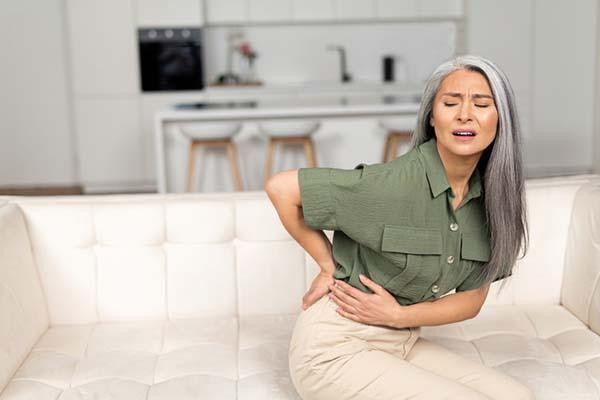
The overlap between back pain and pelvic floor dysfunction
Pelvic floor dysfunction in women is commonly linked to lower back pain. The odds of developing pelvic floor-related back pain increase for women as they get older due to factors such as diminished estrogen and childbirth-related pelvic floor damage. Lower back pain and pelvic floor dysfunction may also have overlapping signs, including urinary leakage or urgency, a feeling of heaviness in the pelvis or vaginal bulging, constipation or bowel issues, painful sex or urination, and pain with prolonged sitting or standing.

Olive oil may reduce breast cancer risk
A 2025 study suggests that consuming more olive oil may lower women's risk of developing breast cancer, especially certain more aggressive types.
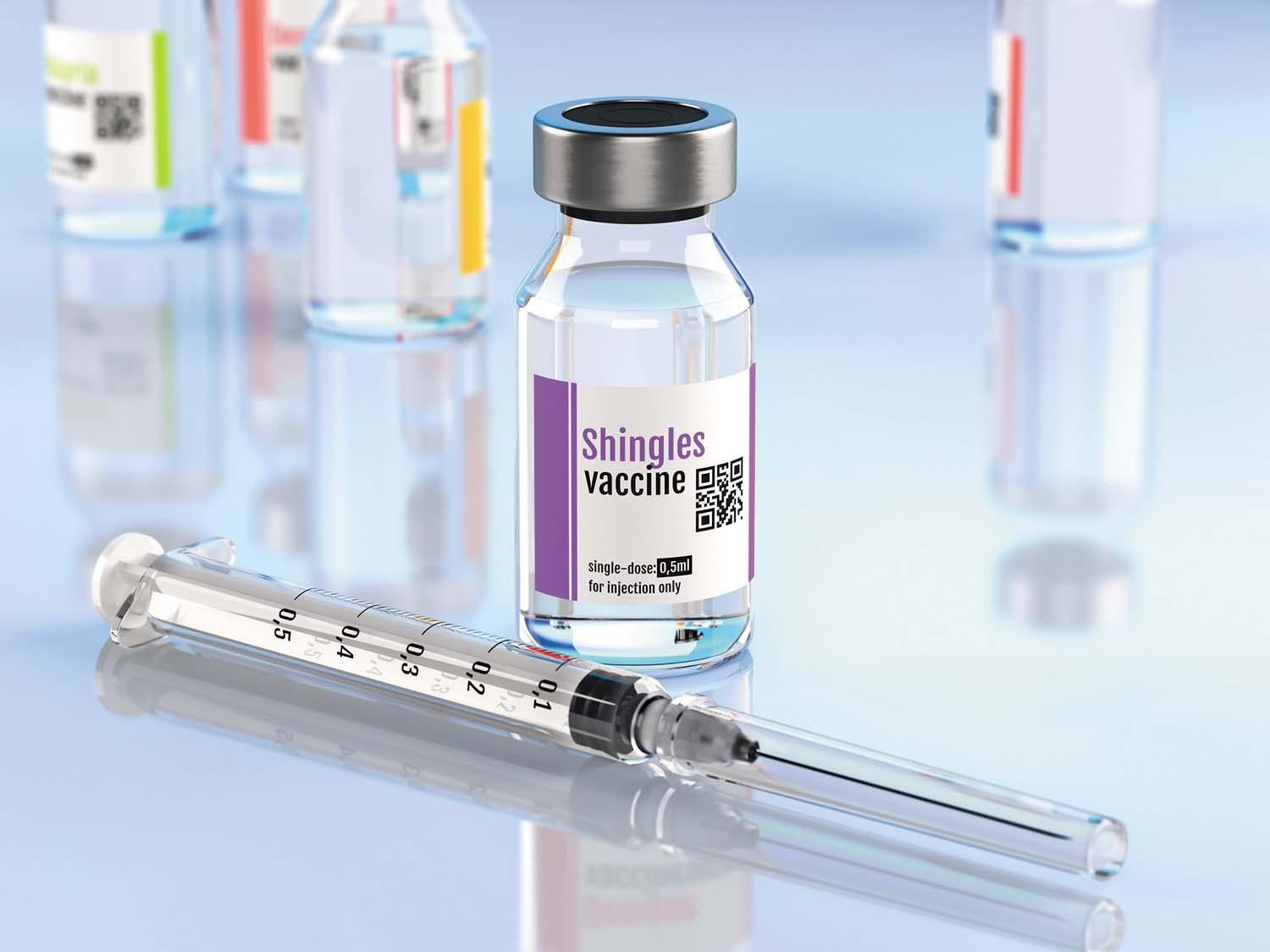
Can the shingles vaccine protect my heart?
A 2025 study found that people who had received a shingles vaccination had lower risks for stroke and various types of heart disease, including heart failure and heart attacks, compared with people who didn't receive a shingles vaccine.
Naturally gluten-free foods
Harvard study: Healthier fats linked to longer life after prostate cancer diagnosis
Shingrix shingles vaccine linked with lower heart disease risks
Estrogen-only hormone therapy tied to lower dementia risk
Should you have a hysterectomy?
Stair climbing may significantly lower cardiovascular risks
Why do I sweat so much?
Walking pneumonia: The "mild" illness that can still pack a punch
What causes knee pain: How doctors make a diagnosis
Where you carry excess weight matters in predicting heart disease risk
Free Healthbeat Signup
Get the latest in health news delivered to your inbox!
Sign Up
