

Naturally gluten-free foods

Harvard study: Healthier fats linked to longer life after prostate cancer diagnosis

Shingrix shingles vaccine linked with lower heart disease risks

Estrogen-only hormone therapy tied to lower dementia risk

Should you have a hysterectomy?

Stair climbing may significantly lower cardiovascular risks

Why do I sweat so much?

Walking pneumonia: The "mild" illness that can still pack a punch

What causes knee pain: How doctors make a diagnosis

Where you carry excess weight matters in predicting heart disease risk
Sexually transmitted infections (STIs) Archive
Articles

Stopping sepsis in its tracks
Sepsis causes or contributes to an estimated 20% of all deaths worldwide. The condition begins with an infection that spreads and over activates the immune system, which releases damaging inflammatory chemicals that lead to organ failure. Any infection can trigger sepsis, but those that begin in the lungs, urinary tract, gastrointestinal tract, or skin are more likely to do so. Older people are more susceptible to sepsis. The condition may be avoided by stopping bacterial or viral infections from occurring or worsening.

Pelvic floor SOS
An estimated six in 10 women will at some point experience symptoms from pelvic floor weakness. Risk factors include pregnancy (especially with vaginal delivery), chronic constipation, family history, smoking, aging, menopause, obesity, chronic coughing, and occupations involving heavy lifting. Women with pelvic floor weakness may experience signs such as leaking urine, having trouble using a tampon, being unable to fully empty their bladder or rectum, and feeling a bulge in their vagina.
FDA adds warning to prescription hot flash medication
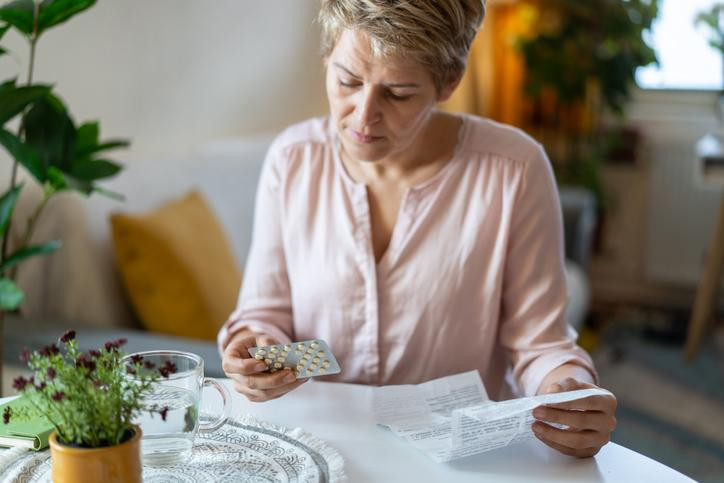
The FDA added a boxed warning in December 2024 to fezolinetant (Veozah), a nonhormonal drug that reduces hot flashes and night sweats in menopausal women. The drug may cause rare but serious liver injury.

Can periods restart after menopause?
Women officially reach menopause a year after periods end. Any vaginal bleeding after menopause should be evaluated. Bleeding can come from vaginal dryness or atrophy, medication side effects, various infections, endometrial thickening, or cancer.

What is prostatitis and how is it treated?
The troubling symptoms of prostatitis, or inflammation of the prostate, accounts for roughly two million doctor visits every year. Fortunately, research advances are leading to some encouraging developments for men suffering from this condition.

Treating advanced prostate cancer
Most men with prostate cancer have low-grade cancer, meaning the cancer is unlikely to spread or affect quality of life or longevity. But men whose initial prostate biopsy shows an intermediate-risk or high-risk cancer, or those who began active surveillance for low-risk cancer but develop a rising PSA or new symptoms suggesting aggressive cancer, have several treatment options available. These include different combinations of radiation, surgery, androgen deprivation therapy, chemotherapy, immunotherapy, and anti-androgens.

Boosting breast cancer survival
Although a clinical trial showed daily aspirin use didn't help women with breast cancer avoid recurrence or improve survival, other evidence-backed measures might. Exercise, weight control, and a healthy diet are linked with lower recurrence and longer survival, but alcohol use, smoking, and supplement use are not. While it's not always clear how lifestyle approaches help lower the odds of recurrence or death from breast cancer, healthy measures can improve women's ability to keep other conditions at bay or manage them more effectively.

What causes blood in my semen?
While blood in semen may look alarming, in most cases it is caused by a recent medical procedure. Other possible causes are trauma to the genital area, a bladder infection, prostatitis (inflammation to the prostate), or a sexually transmitted infection.

Supporting a loved one with prostate cancer: A guide for caregivers
Looking after a loved one who has prostate cancer can be overwhelming. Caregivers play crucial roles in supporting a patient's physical and psychological well-being. But what does that entail? Here's what to know about effective communication, day-to-day support, and taking care of yourself.

Naturally gluten-free foods
Harvard study: Healthier fats linked to longer life after prostate cancer diagnosis
Shingrix shingles vaccine linked with lower heart disease risks
Estrogen-only hormone therapy tied to lower dementia risk
Should you have a hysterectomy?
Stair climbing may significantly lower cardiovascular risks
Why do I sweat so much?
Walking pneumonia: The "mild" illness that can still pack a punch
What causes knee pain: How doctors make a diagnosis
Where you carry excess weight matters in predicting heart disease risk
Free Healthbeat Signup
Get the latest in health news delivered to your inbox!
Sign Up
