

CoQ10: Should you take this popular supplement if you're on a statin?

Oat vs. dairy milk: Nutrition, benefits, and downsides

Microplastics: A hidden health threat?

Healing after food poisoning

What is tempeh? Benefits, nutrition, and how to use it

Light exposure at night may raise risk for heart disease

Whole grains may improve several heart risk factors at once

A lumbar belt may help ease low back pain

Children of centenarians may stay healthier and live longer too, study finds

Signs of pneumonia: Sometimes vague and unexpected
Safety/injury prevention Archive
Articles

High levels of proteins may explain how exercise boosts the brain
A 2022 study examined the brains of older adults after they died, and found that those who had stayed the most active late in life had higher amounts of synaptic proteins. These proteins improve the connections between the brain's nerve cells.

Intimate partner violence and traumatic brain injury: An invisible public health epidemic
While post-concussive symptoms are common in women who have experienced intimate partner violence, many women hide their symptoms and little research has been done, meaning the long-term health risks of millions of women are unknown.

Warming up to the cold: Staying active in any weather
It's difficult to get motivated to be active outside during cold-weather months, but it's important to your health and can help you meet any fitness goals you're trying to reach. There are ways to get outside and moving in cold temperatures.

Warning: Hidden ingredients in supplements for weight loss and male enhancement
In December 2021, the FDA warned consumers about an increase in supplements tainted with harmful ingredients, particularly supplements promising male enhancement or weight loss.

Should I keep exercising if I can't lose weight?
Exercising is crucial for good health, even if exercising doesn't help a person get down to a healthy weight. Exercising reduces the risk of high blood pressure, high cholesterol, high blood sugar levels, heart disease, stroke, diabetes, Alzheimer's disease, and premature death. If someone is overweight and unfit, the risk of premature death is double the risk of someone who is the same age and sex, and is overweight but fit.

The most common exercise among people with arthritis
U.S. adults who report being physically active say their most frequent forms of exercise are walking, gardening, and weight lifting, according to a study published online Oct. 8, 2021, by the CDC's Morbidity and Mortality Weekly Report.
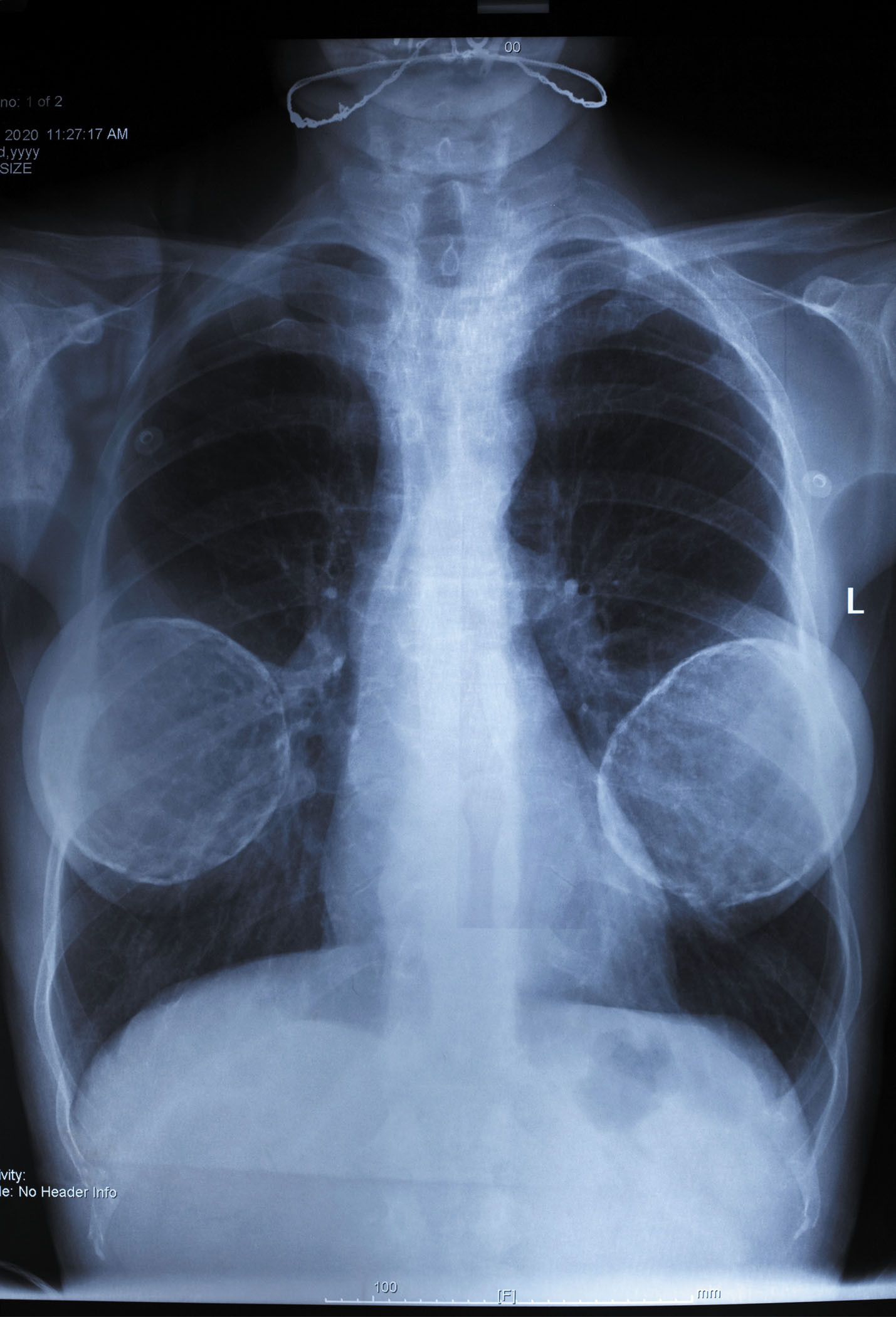
FDA wants women to understand the risks and benefits related to breast implants
The FDA recently moved to help make certain that women considering breast implants have a clear picture of what implants involve before moving ahead with surgery. The agency announced a series of changes in October 2021. These include new labeling requirements for breast implant manufacturers, a requirement that facilities provide patients with a checklist outlining potential risks and benefits related to breast implants, and updated screening recommendations to detect leaks in silicone breast implants.

Five hours of weekly exercise linked to fewer cancer cases
A study published online Oct. 4, 2021, by the journal Medicine & Science in Sports & Exercise found that about 46,000 U.S. cancer cases per year can be attributed to getting less than 300 minutes of moderate-intensity exercise per week.

Exercise may heal the heart as well as prevent future problems
Exercise may help to reverse some types of heart damage. Not only can workouts prevent heart problems, but it may help to improve conditions that may raise risk for cardiovascular events. A 2021 study, for example, showed that a yearlong exercise program helped improve heart health in people who were at increased risk for heart failure.

Fitness advice from super seniors
Accomplished senior athletes face the same obstacles as most other older adults—seeking motivation, overcoming injuries and setbacks, and finding the best exercise routines to meet their goals. Here, seasoned competitors from the National Senior Games—the world's largest multi-sport event for seniors—share their tips and strategies for how they stay active, healthy, and driven.
CoQ10: Should you take this popular supplement if you're on a statin?
Oat vs. dairy milk: Nutrition, benefits, and downsides
Microplastics: A hidden health threat?
Healing after food poisoning
What is tempeh? Benefits, nutrition, and how to use it
Light exposure at night may raise risk for heart disease
Whole grains may improve several heart risk factors at once
A lumbar belt may help ease low back pain
Children of centenarians may stay healthier and live longer too, study finds
Signs of pneumonia: Sometimes vague and unexpected
Free Healthbeat Signup
Get the latest in health news delivered to your inbox!
Sign Up
