

CoQ10: Should you take this popular supplement if you're on a statin?

Oat vs. dairy milk: Nutrition, benefits, and downsides

Microplastics: A hidden health threat?

Healing after food poisoning

What is tempeh? Benefits, nutrition, and how to use it

Light exposure at night may raise risk for heart disease

Whole grains may improve several heart risk factors at once

A lumbar belt may help ease low back pain

Children of centenarians may stay healthier and live longer too, study finds

Signs of pneumonia: Sometimes vague and unexpected
Safety/injury prevention Archive
Articles

Easy exercises to shore up your core
Strong core muscles—those in the abdomen, back, sides, pelvis, hips, and buttocks—support cardiovascular health by helping people stay active. Easy core exercises include chair stands, standing leg lifts, and walk-and-carry exercises. The latter are especially helpful because they strengthen many muscles at the same time and simulate real-life activities such as carrying groceries or a laundry basket.

How does regular exercise protect against mental decline?
A study published online Aug. 20, 2021, by Nature Metabolism suggests that the hormone irisin, produced during exercise, might have something to do with the beneficial effects of exercise on the brain. Scientists suspect that irisin plays a role protecting the brain against changes characteristic of Alzheimer's disease, possibly by reducing brain inflammation. Irisin has also been shown to turn white fat cells (which store fat) into brown fat cells (which burn fat), and also to improve insulin resistance. Such changes reduce body weight and protect against both diabetes and heart disease.
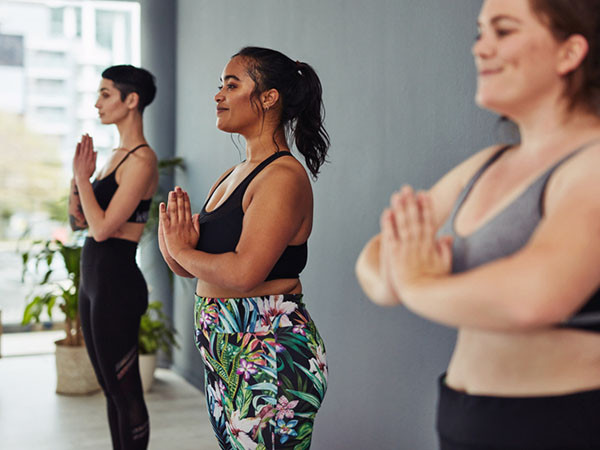
Yoga for weight loss: Benefits beyond burning calories
Obesity is a complex disease, and many factors contribute to weight gain and hinder efforts to lose weight. There is no single solution to weight loss, but there is good research that yoga may help manage stress, improve mood, curb emotional eating, and create a community of support, all of which can help with weight loss and maintenance.

How to stay strong and coordinated as you age
Many physical abilities decline with age, along with changes that occur in coordinating the movements of the body. One of the most significant causes of this decline is reduced physical activity. In fact, as people age it becomes even more important to exercise regularly, and regular activity can help improve strength and coordination.

Working out your brain

High-intensity exercise and your heart

Exercising safely with hearing or vision impairment

Navigating holiday pressures in the COVID-19 reality

Exercise challenge: Part 3

Steps to stay safe when you push or pull an object
CoQ10: Should you take this popular supplement if you're on a statin?
Oat vs. dairy milk: Nutrition, benefits, and downsides
Microplastics: A hidden health threat?
Healing after food poisoning
What is tempeh? Benefits, nutrition, and how to use it
Light exposure at night may raise risk for heart disease
Whole grains may improve several heart risk factors at once
A lumbar belt may help ease low back pain
Children of centenarians may stay healthier and live longer too, study finds
Signs of pneumonia: Sometimes vague and unexpected
Free Healthbeat Signup
Get the latest in health news delivered to your inbox!
Sign Up
