

Healing after food poisoning

What is tempeh? Benefits, nutrition, and how to use it

Light exposure at night may raise risk for heart disease

Whole grains may improve several heart risk factors at once

A lumbar belt may help ease low back pain

Children of centenarians may stay healthier and live longer too, study finds

Signs of pneumonia: Sometimes vague and unexpected

The surprising link between ovarian cancer and the fallopian tubes

Using a vibration plate: What it can — and can't — do for your body

People who walk more or walk faster live longer, study finds
Prostate Cancer Archive
Articles


Risks of active surveillance for men with intermediate-risk prostate cancers
Men diagnosed with slow-growing prostate tumors that likely won’t be harmful during their lifetimes can often avoid immediate treatment. Instead, they can have their tumor monitored using a strategy called active surveillance. With this approach, doctors perform periodic checks for tumor progression and start treatment only if the cancer begins to metastasize, or spread. Active […]
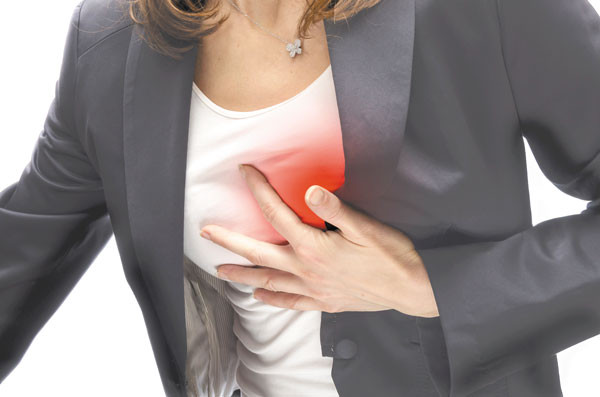
The heart attack gender gap
Heart attacks strike men at younger ages than women. But survival rates are worse in women. Why?
Compared with men, women are less likely to recognize and act upon the symptoms of a heart attack.
Image: zaganDesign/Thinkstock
Imagine someone in the throes of a heart attack. If you picture a man clutching his chest in agony, that's understandable. At younger ages, men face a greater risk of heart disease than women. On average, a first heart attack—the most common manifestation of this prevalent disease—strikes men at age 65. For women, the average age of a first heart attack is 72.


Retired men at work
Retirement is your reward for a long work life, but research suggests that continuing to work in some way may offer a big payday for your health.
Image: Thinkstock
If you are retired, or counting the days, you may want to rethink leaving the workforce behind forever. Recent research has found that seniors who continue to work after age 65 are healthier than retirees.
"For many men, work defines who they are, and they still need to benefit from something meaningful and productive as they age, whether it's in their current job or field or something new," says Dr. William S. Pollack, assistant clinical professor in the Department of Psychiatry at Harvard Medical School. "Work can boost confidence, self-esteem, and happiness, all of which can help men stay active and live longer."

Test may diagnose prostate cancer more accurately
A study in the December 2015 issue of The Lancet Oncology found that a new test, called STHLM3, is more helpful at detecting aggressive cancer than traditional tests for prostate-specific antigen (PSA).
The STHLM3 test is a blood test that analyzes a combination of six protein markers, more than 200 genetic markers, and various clinical data, such as age, family history, and previous prostate biopsies.
Men's hearts age differently from women's
Here is one more way men and women are different: research published online Oct. 20, 2015 in Radiology found that male and female hearts do not age the same way.
For the study, researchers reviewed MRI heart scans performed on almost 3,000 older adults, ages 54 to 94, without existing heart disease. (Scans were given 10 years apart.) The scans showed that in both sexes, the main heart chamber—the left ventricle, which fills with and then forces out blood—gets smaller with time. As a result, less blood enters the heart, and less gets pumped out to the rest of the body.
How can I tell if I'm sleeping enough?
Ask the doctor
Q: I have always had difficulty sleeping. Since I have taken to heart the advice for good sleep habits, I think I'm sleeping better, but I'm not sure. I'm in bed about 8.5 hours, but am often restless and get up to go to the bathroom a couple of times during the night. Is there a way to compute how much sleep I'm actually getting?
A: Adequate sleep is an important part of health. While the exact amount needed to maximize health and wellness is not totally clear, many experts recommend around seven to nine hours per night. Adequate sleep is associated with memory, improved mood, better weight control, improved diabetes control, greater resistance to colds, and fewer accidents.
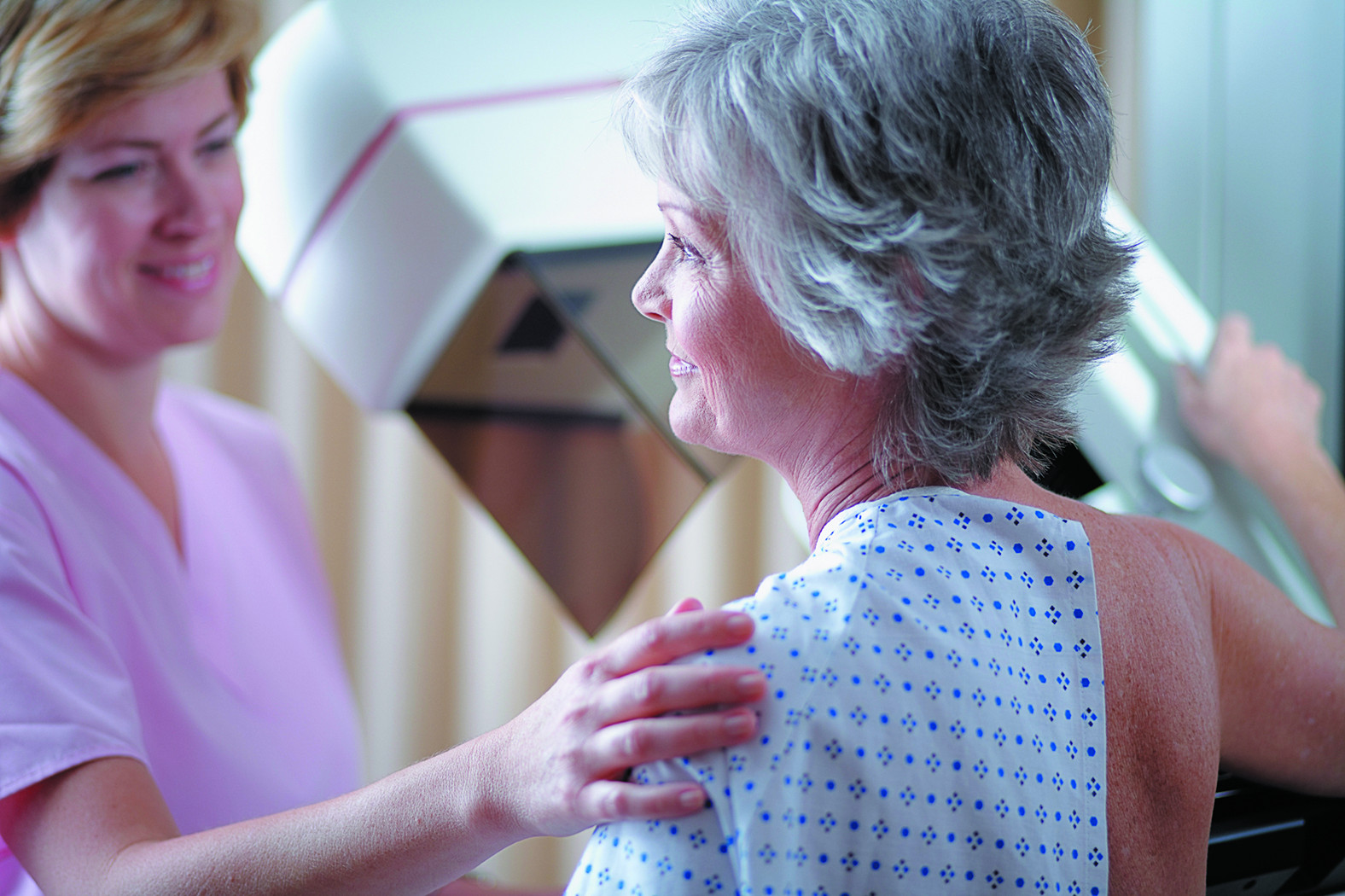
Do you really need that cancer screening?
Image: Thinkstock
A research letter published online Jan. 21, 2016, in JAMA Oncology suggests that many older adults are getting unnecessary cancer screenings. Researchers looked at questionnaire answers from about 150,000 seniors (ages 65 or older) across the country, and found that about half had received prostate-specific antigen (PSA) testing or mammography in the past year. But a third of those screened did not have a 10-year life expectancy, a major guideline for screening. Unnecessary screening rates varied by state—for example, 11% in Colorado and about 20% in Georgia. "Undergoing a screening test may actually cause more harm than good, especially with older patients or those with significant medical conditions," says Dr. Marc Garnick, an oncologist at Beth Israel Deaconess Medical Center and editor in chief of Harvard's Annual Report on Prostate Diseases. So talk to your doctor about the guidelines. Both the American Cancer Society (ACS) and the U.S. Preventive Services Task Force (USPSTF) recommend routine mammograms every two years for women ages 55 to 74. The ACS does not recommend mammograms in this age group if a woman has a life expectancy of less than 10 years.
For all men, the USPSTF recommends against routine PSA testing. The ACS suggests that men 50 or older (at average risk for prostate cancer) make the decision about screening with their doctor, but only if they have a life expectancy of at least 10 years, and only if they have been advised about the uncertainties, risks, and potential benefits of prostate cancer screening.
Healing after food poisoning
What is tempeh? Benefits, nutrition, and how to use it
Light exposure at night may raise risk for heart disease
Whole grains may improve several heart risk factors at once
A lumbar belt may help ease low back pain
Children of centenarians may stay healthier and live longer too, study finds
Signs of pneumonia: Sometimes vague and unexpected
The surprising link between ovarian cancer and the fallopian tubes
Using a vibration plate: What it can — and can't — do for your body
People who walk more or walk faster live longer, study finds
Free Healthbeat Signup
Get the latest in health news delivered to your inbox!
Sign Up
