

CoQ10: Should you take this popular supplement if you're on a statin?

Oat vs. dairy milk: Nutrition, benefits, and downsides

Microplastics: A hidden health threat?

Healing after food poisoning

What is tempeh? Benefits, nutrition, and how to use it

Light exposure at night may raise risk for heart disease

Whole grains may improve several heart risk factors at once

A lumbar belt may help ease low back pain

Children of centenarians may stay healthier and live longer too, study finds

Signs of pneumonia: Sometimes vague and unexpected
Positive Psychology Archive
Articles


How to recognize and tame your cognitive distortions
Cognitive distortions are internal mental filters or biases that fuel anxiety and make us feel bad about ourselves. These filters can cause us to devolve into counterproductive brooding that can worsen depression or anxiety and stall positive lifestyle changes. So how can you recognize and overcome these distortions?

LATE: A common cause of dementia you've never heard of
LATE is a brain disorder that causes dementia in older individuals. In fact it is the third most common cause of dementia, but it affects many of the same brain regions as Alzheimer's disease so it presents with similar symptoms, and it's only with the advent of special diagnostic tests that clinicians have realized how common it is.

How to break a bad habit
We all have habits we'd like to break, but the brain doesn't make changes easily. Breaking an unhealthy habit can be done; to do so, it helps to understand what's happening in the brain, know why you want to change, and accept that there will be setbacks along the way.

Learning to right a wrong
Practicing self-forgiveness about a past wrongdoing is not easy, but it can have a range of health benefits. Studies have shown that self-forgiveness is associated with reduced guilt, shame, stress, depression, anxiety, and substance abuse, as well as greater self-esteem and life satisfaction. The process of self-forgiveness follows four Rs: responsibility, remorse, reorienting, and renewal.

Making sense of dementia trends
Studies suggest that the world is facing two different dementia trends. One is that dementia rates are falling steadily in the United States and Europe. The other is that the number of dementia cases globally is rising, and will likely triple in the next 30 years, mostly due to population increases. People can try to reduce their dementia risk by adopting a healthy lifestyle that includes lots of exercise, a healthy diet, at least seven hours of sleep per night, limited alcohol consumption, socializing, improved balance, stress management, smoking cessation, and control of underlying health conditions.

Worry and anxiety linked to higher heart risk in men
Middle-aged men who often feel worried or anxious may be more prone to problems that raise heart disease risk as they age compared with their less-worried peers.

Scroll smarter to protect your mental health
Research has found associations between social media use and negative mental health effects in both youth and adults. These ill effects may reflect the particular ways people use social media. People may have a healthier online experience if they focus on interacting with others, rather than just scrolling through posts. Some additional strategies that can help improve the experience are avoiding posts from unpleasant people, discussing contentious subjects in person rather than online, and using social media to enhance real-life relationships.

New details about loneliness and dementia risk
A 2020 study found that people defined as lonely had a higher risk of dementia than those who were not considered lonely. Loneliness also was associated with smaller brain sizes and poorer executive function (the ability to plan, focus attention, and remember instructions).
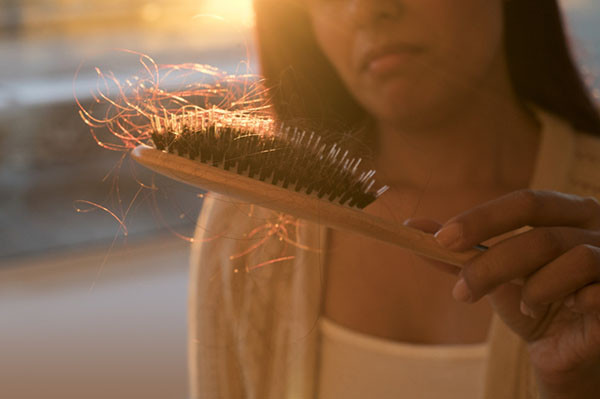
What is alopecia areata and how is it managed?
Hair loss is a common problem for many men and women, but what does it mean to have alopecia? Alopecia areata occurs when the body's immune system attacks hair follicles, resulting in hair loss. AA can affect the scalp, eyebrows, eyelashes, or anywhere hair grows on the body.
CoQ10: Should you take this popular supplement if you're on a statin?
Oat vs. dairy milk: Nutrition, benefits, and downsides
Microplastics: A hidden health threat?
Healing after food poisoning
What is tempeh? Benefits, nutrition, and how to use it
Light exposure at night may raise risk for heart disease
Whole grains may improve several heart risk factors at once
A lumbar belt may help ease low back pain
Children of centenarians may stay healthier and live longer too, study finds
Signs of pneumonia: Sometimes vague and unexpected
Free Healthbeat Signup
Get the latest in health news delivered to your inbox!
Sign Up
