

Healing after food poisoning

What is tempeh? Benefits, nutrition, and how to use it

Light exposure at night may raise risk for heart disease

Whole grains may improve several heart risk factors at once

A lumbar belt may help ease low back pain

Children of centenarians may stay healthier and live longer too, study finds

Signs of pneumonia: Sometimes vague and unexpected

The surprising link between ovarian cancer and the fallopian tubes

Using a vibration plate: What it can — and can't — do for your body

People who walk more or walk faster live longer, study finds
Pediatric health Archive
Articles
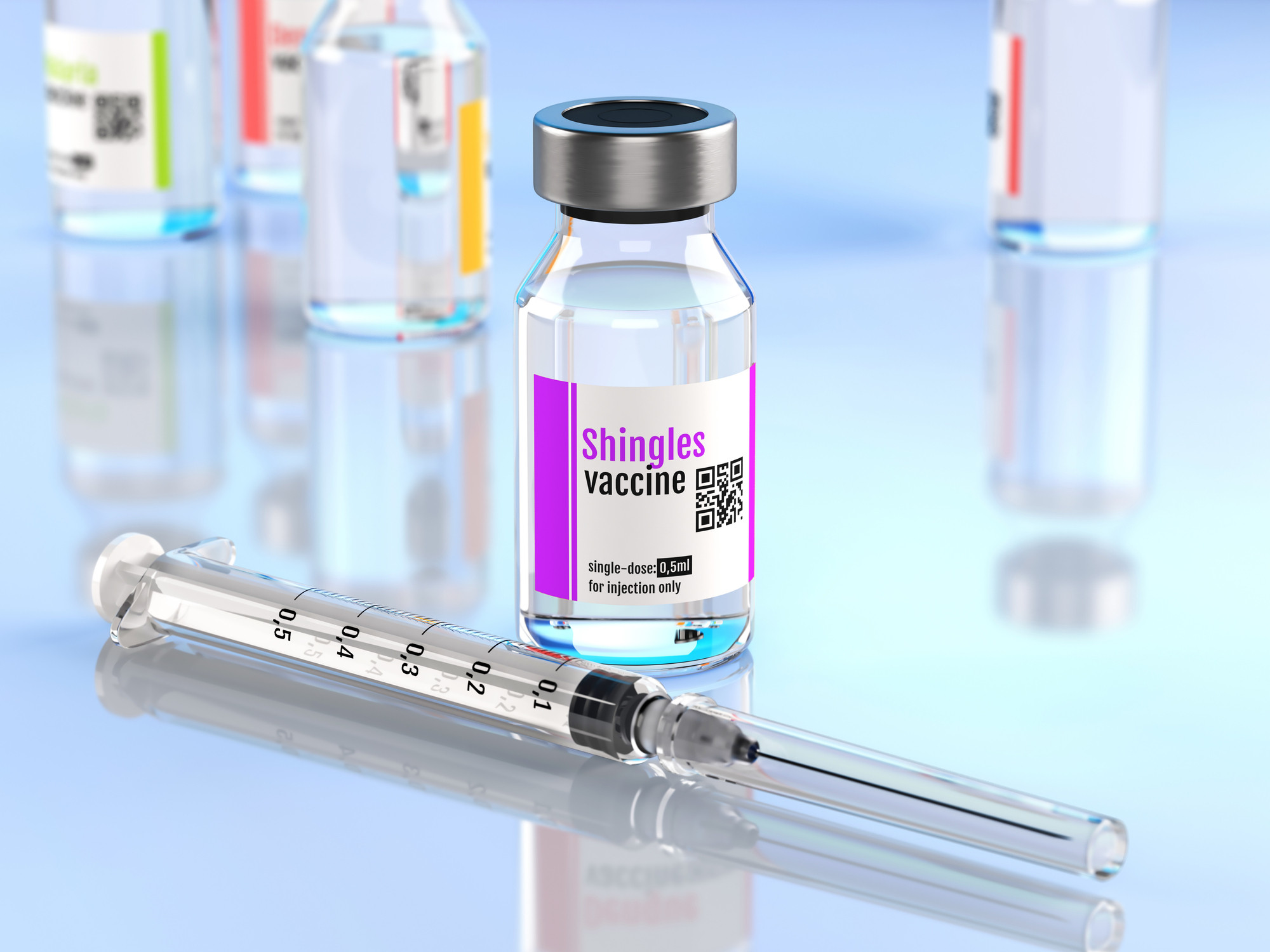
Does this vaccine ward off dementia?
A 2025 study found that the shingles vaccine reduced the risk of developing dementia by 20%. The study supports (but doesn't absolutely prove) the theory that infections may be one cause of Alzheimer's disease and possibly other forms of dementia.

Why are measles and other "eradicated" infectious diseases coming back?
Measles have made a comeback, with outbreaks in many states. The infection is extremely contagious and can be deadly. Most people getting measles were not vaccinated against it. Adults should get the vaccine if they were born after 1957 and didn't receive two doses. They should get a booster shot if they received the vaccine between 1963 and 1968, when the vaccine used was not as strong as the one that's been given since 1968.

Depression tied to risky driving in older adults
A 2024 study indicated that adults 65 and older with major depression are more likely to exhibit risky driving behaviors such as speeding, hard braking, and hard cornering.

How to avoid catastrophic thinking
People trapped in catastrophic thought patterns are convinced everything is awful and won't improve, which creates a constant sense of helplessness, anxiety, and stress. One way to stop this doomsday thinking is learning how to mentally pivot. Mental pivoting is the action of consciously deciding to deflect thoughts when they arise, so they don't fester and grow. By doing this, people can feel more in control of invasive thoughts when they arise.


Two jobs may lower the odds of dying from Alzheimer's disease - but why?
Researchers have found that the risk of death due to Alzheimer's disease is markedly lower in taxi and ambulance drivers compared with hundreds of other occupations. And the reason could be that these drivers develop certain structural changes in their brains as they work.

Processed red meat linked to higher risk of dementia
A 2025 study suggested that people who eat higher amounts of processed red meat may be more likely to develop dementia than people who eat very little of it.

Harvard scientists: Red meat tied to increased dementia risk
In a 2025 Harvard study of more than 133,000 people followed for four decades, those who ate the most red meat each day (a quarter-serving or more) had a 13% higher risk of developing dementia later in life, compared with people who ate the least.

Staying socially active linked to delayed dementia diagnosis
In a 2025 study of about 2,000 people (average age 80) who were followed for seven years, about a third developed dementia or mild cognitive impairment. Being socially active seemed to delay that diagnosis for about five years.

Can an orange a day keep depression away?
A 2024 study of more than 32,000 depression-free women who were followed for 14 years found that those who ate the most weekly servings of citrus (six or more) had a 22% lower risk for developing depression, compared with those who ate the least citrus.
Healing after food poisoning
What is tempeh? Benefits, nutrition, and how to use it
Light exposure at night may raise risk for heart disease
Whole grains may improve several heart risk factors at once
A lumbar belt may help ease low back pain
Children of centenarians may stay healthier and live longer too, study finds
Signs of pneumonia: Sometimes vague and unexpected
The surprising link between ovarian cancer and the fallopian tubes
Using a vibration plate: What it can — and can't — do for your body
People who walk more or walk faster live longer, study finds
Free Healthbeat Signup
Get the latest in health news delivered to your inbox!
Sign Up
