Pain Archive

Articles

4 ways to turn good posture into less back pain

Most of us get back pain at some point in our lives. It may be due to a sports-related injury, an accident, or a congenital condition such as scoliosis. But most of the time, upper or lower back pain develops during the course of day-to-day life. Repetitive activities at work or home, such as sitting at a computer or lifting and carrying, may produce tension and muscle tightness that result in a backache. One solution to preventing back pain is to improve posture.

In addition to improving your posture, general physical fitness and a healthy weight are important are important, too. But the surprisingly simple act of paying attention to improving your posture can go a long way.

Babying your back may delay healing

Exercise and movement may be the best medicine for back pain.


You might be considering surgery or other intervention to treat your back pain. But less may actually be more for this common problem, and in many instances the best medicine is good old-fashioned movement and exercise.

The enigma of back pain

Back pain is one of the most common medical problems in the United States, according to the National Institutes of Health. It's also a little strange as far as ailments go.

What new opioid laws mean for pain relief

Dozens of states are cracking down on the amount of opioids doctors can prescribe.


 Image: © Darwin Brandis/Getty Images

Overdoses of powerful painkillers called opioids kill more than 115 people per day in the United States. More than 42,000 people died from opioids in 2016, five times more than in 1999. The reason? Since several of these powerful painkillers became available in pill form several decades ago, doctors have been prescribing more than patients need. "It is estimated that a large part of leftover opioids are diverted to the street, either deliberately or through theft," says Dr. Edgar Ross, senior clinician at the Pain Management Center at Harvard-affiliated Brigham and Women's Hospital.

The misuse of opioids is a risk many states are no longer willing to take. The rules limit the amounts that medical professionals can prescribe for temporary (acute) pain from surgery, injury, or illness.

Doctors’ pain pill prescribing habits at odds with current guidelines

Research we're watching

Doctors have been overprescribing opioids for chronic musculoskeletal pain, according to a December 2019 study in The Journal of Pain. Researchers looking at data from a survey conducted between 2007 and 2015 found that doctors more often prescribed pills, either non-opioid or opioid, rather than physical therapy, counseling, or other nondrug interventions — a practice that is directly at odds with what experts now recommend, including those in the CDC Guideline for Prescribing Opioids for Chronic Pain. At their first visit with the doctor, people were most often prescribed non-opioid painkillers (40.2%) or opioids (21.5%), followed by counseling, nonpharmacological treatments, and physical therapy. Study authors say this shows there is room for improvement through education. However, it's worth noting that the time period studied (2007 through 2015) preceded much of the recent work and advocacy aimed at reducing prescriptions of opioids.

Image: © robeo/Getty Images

Can alternative treatments help with painful fibroids?

Ask the doctors

Q. I have uterine fibroids and am experiencing some pain and discomfort from them. Are there any alternative treatments that I can use to help manage my symptoms?

A. If you are experiencing anemia, severe pain, or difficulty with urinating that may be due to fibroids, it's important to seek the advice of a doctor. However, there are some pain management options other than medications or surgery that may help relieve symptoms related to fibroids. These strategies haven't been proven to relieve pain from fibroids, but The National Center for Complementary and Integrative Health, in a 2017 review of complementary approaches to chronic pain, found they have some promise in helping other types of chronic pain, specifically lower back pain. These include acupuncture, an alternative medicine treatment that uses small needles applied at specific sites on the body to relieve chronic pain; yoga, a type of low-impact exercise that includes a series of postures and breathing techniques; relaxation techniques, such as deep breathing and mindfulness (a practice that encourages staying focused on the present moment); tai chi, originally practiced as a form of self-defense, which incorporates slow, deliberate movements and deep breathing exercises; and massage performed by a massage therapist.

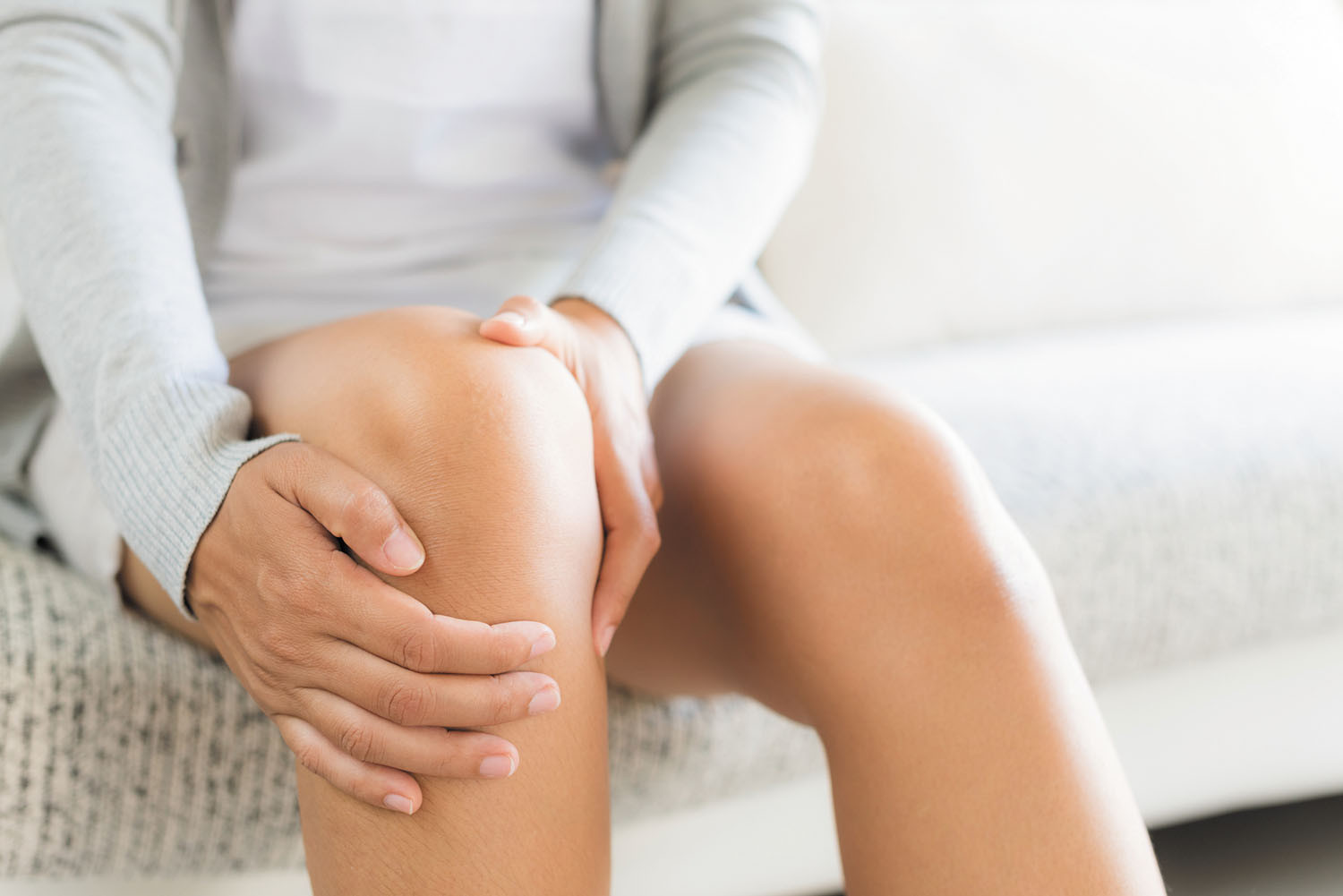
When is it time for a knee replacement?

On call

Q. I have osteoarthritis. My right knee is especially painful and stiff. How do I know when the time is right for knee replacement surgery?

A. Timing is key. If you get the procedure too soon, you might not see enough improvement to make the surgery worth it. In addition, the younger you are when you have knee replacement surgery, the greater the chances it will not last and another surgery may be needed. But if you wait too long, you may subject yourself to unnecessary pain and disability.

Giving steroid injections a shot

They can offer temporary pain relief, but are they right for you?

If you're battling with a flare-up of arthritis, bursitis, or tendinitis, you may find relief from an injection of cortisone (a type of steroid).

"People turn to injections when conservative treatments like over-the-counter and prescription pain medication or physical therapy no longer work, and their pain begins to interfere with quality of life," says Dr. Rob Shmerling, clinical chief of rheumatology at Harvard-affiliated Beth Israel Deaconess Medical Center.

Can mind-body therapies help reduce reliance on opioids?

News briefs

A large study published online Nov. 4, 2019, by JAMA Internal Medicine offers hope for people who want to reduce their reliance on opioids. The powerful prescription painkillers, such as oxycodone (OxyContin) and hydrocodone (Vicodin), are typically used to treat severe pain after surgery, pain with terminal illness, and chronic pain. But use of these drugs comes with the risk of dependence, addiction, overdose, and death. So researchers set out to determine if mind-body therapies (such as meditation or hypnosis) could help ease pain. Scientists reviewed 60 randomized trials with more than 6,400 people taking opioids for reasons such as surgery, burns, cancer, or chronic pain. Researchers noted moderate to large improvements in pain among people who added meditation, hypnosis, cognitive behavioral therapy (CBT), or therapeutic suggestion to their pain control regimens. Meditation, hypnosis, and CBT were so effective that people were able to slightly reduce the amount of opioids they were taking. Two other therapies — relaxation therapy and guided imagery — did not have a significant impact on pain. The great news: you have nothing to lose by adding one of these mind-body therapies to your regimen, and it may even help.

Image: FatCamera/Getty Images

Free Healthbeat Signup

Get the latest in health news delivered to your inbox!

Sign Up
Harvard Health Publishing Logo

Thanks for visiting. Don't miss your FREE gift.

25 Gut Health Hacks is yours absolutely FREE when you sign up to receive health information from Harvard Medical School.

Sign up to get tips for living a healthy lifestyle, with ways to lessen digestion problems…keep inflammation under control…learn simple exercises to improve your balance…understand your options for cataract treatment…all delivered to your email box FREE.

Harvard Health Publishing Logo

Stay on top of latest health news from Harvard Medical School.

Plus, get a FREE copy of 25 Gut Health Hacks.

Harvard Health Publishing Logo

Stay on top of latest health news from Harvard Medical School.

Plus, get a FREE copy of 25 Gut Health Hacks.