

People who walk more or walk faster live longer, study finds

Rosacea treatments: What works?

For sleep apnea, a dental device may be as effective as CPAP

Carb cycling: What is it, and does it work?

Understanding orthorexia: Have your healthy eating goals gone too far?

Melatonin or magnesium: Can either supplement help you sleep?

Salmonella, E. coli, Cyclospora, and other germs that cause food poisoning: What you need to know

Naturally gluten-free foods

Harvard study: Healthier fats linked to longer life after prostate cancer diagnosis

Shingrix shingles vaccine linked with lower heart disease risks
Pain Archive
Articles
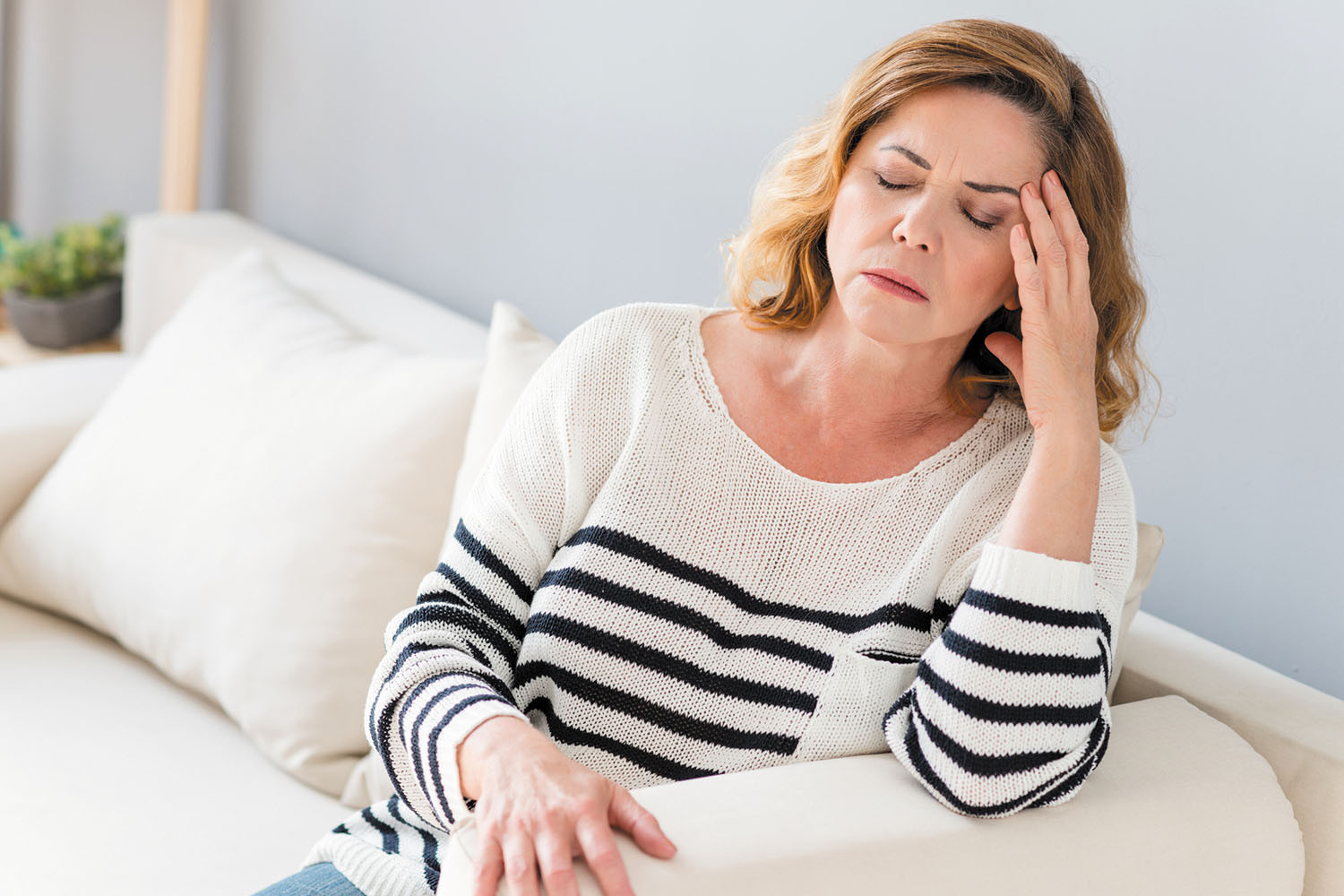
New ways to manage migraines
Sufferers now have more options than ever to ease the pain or even ward off attacks.
Image: © YakobchukOlena/Thinkstock
If you've ever experienced a migraine, you know it's no ordinary headache. Not only does it cause throbbing pain, typically on one side of your head, but it may also cause vision changes, sensitivity to light, and nausea. It's the type of headache that makes you want to retreat to a dark, quiet room and stay there until it goes away. Recovering from a migraine can take time; the headache can last for hours or days. Migraines affect an estimated 28 million women in the United States, according to the American Migraine Foundation (AMF).
The World Health Organization says that migraine headaches rank in the top 10 of disabling conditions. These headaches result in lost work days, lost productivity, and high health care costs. And of course, they can cause you to miss out on pleasurable activities and time with family.

Headache basics
Despite the fact that headaches are extremely common, doctors don't fully understand exactly why or even how they occur. Neither the skull nor the brain is sensitive to pain, but both are surrounded by pain-sensitive membranes. Most headache pain stems from abnormalities in these membranes or nearby muscles, blood vessels, or nerves—either alone or in combination.
Women are twice as likely as men to experience moderate and severe headaches and more likely to experience certain types of headaches, such as migraine. A major reason is fluctuating hormone levels that are part of the monthly menstrual cycle.
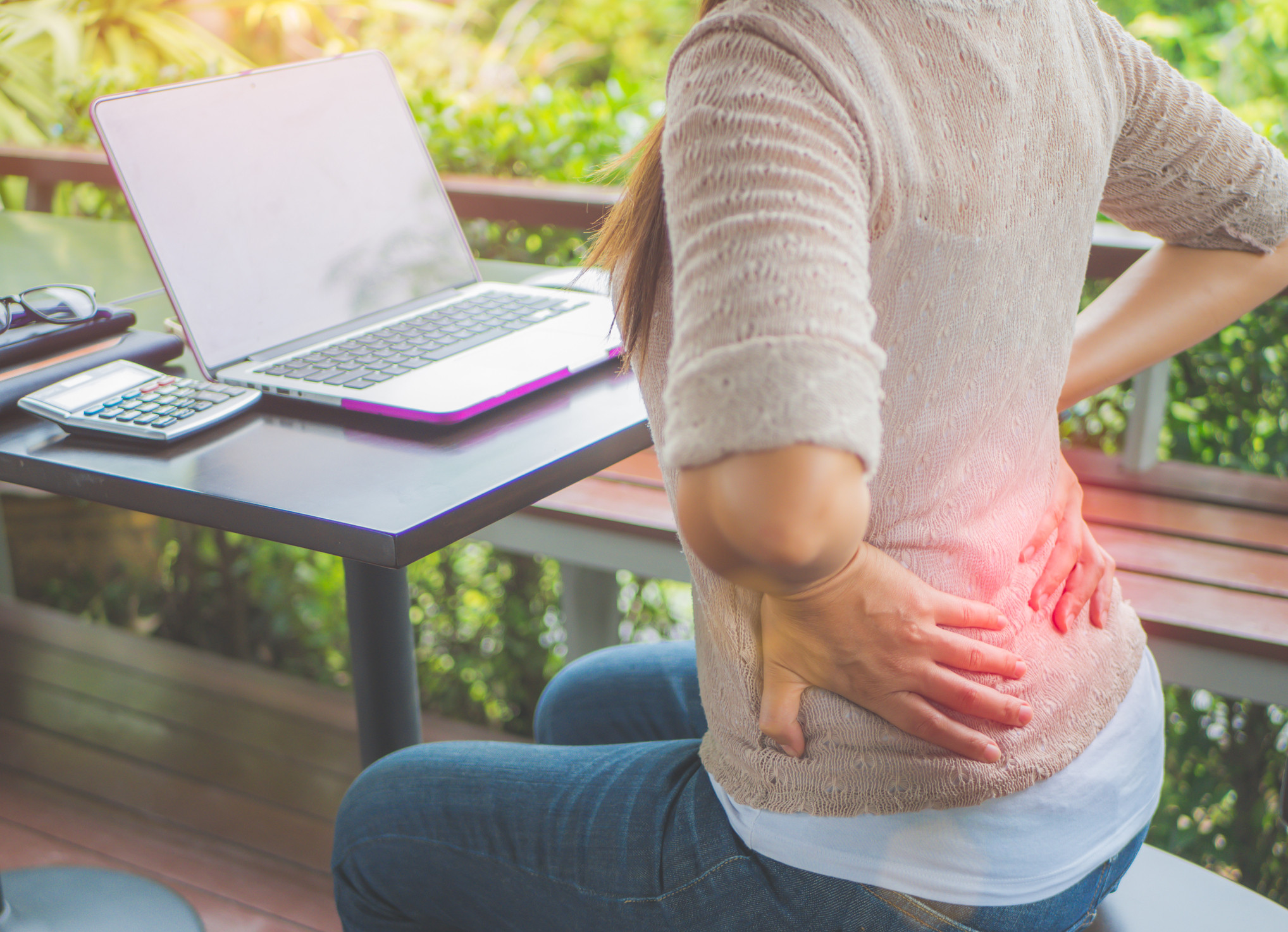

Can spinal manipulation ease my low back pain?
On call
Q. I suffer from recurrent episodes of low back pain. Is spinal manipulation really effective for back pain relief?
A. Episodes of low back pain are quite common among older men, and many seek relief through chiropractic care, which usually includes spinal manipulation. Spinal manipulation (or adjustment), as described by the American Chiropractic Association, focuses on using manual pressure to mobilize joints.

5 ways to manage arthritis and keep it from slowing you down
Arthritis is a painful problem that can interfere with your ability to do the things you enjoy. But you can take steps to manage arthritis by protecting your joints, reducing discomfort, and improving mobility.
Physical or occupational therapists can be very helpful in teaching you how to modify activities and accomplish daily tasks more easily in order to manage arthritis. But there are simple things you can do for yourself, starting today. Here are five of them:

Where to turn for low back pain relief
In most cases, a primary care doctor or chiropractor can help you resolve the problem.
Low back pain is one of the most common complaints on the planet. And you may wonder where to turn when you start experiencing some of those aches or twinges in the lower part of your back. Take heart. "In most cases, you won't need a specialist," says Dr. Robert Shmerling, a rheumatologist at Harvard-affiliated Beth Israel Deaconess Medical Center.
When pain strikes
There are many causes of low back pain. Some of the most common include an injury to a muscle or tendon (a strain), an injury to a back ligament (a sprain), and a herniated or "slipped" disc (when the soft material inside of a disc between spinal bones leaks and irritates nerves). Many of these issues will eventually resolve on their own.

Yoga can help with low back pain relief
In the journals
Image: © Wavebreakmedia Ltd/Thinkstock
Low back pain? Try yoga. A study published online July 20, 2017, by the American Journal of Preventive Medicine found that low back pain sufferers who completed a 12-week yoga program reported less pain and better quality of life compared with those who received standard care, such as medication, physical therapy, and exercise.
The study specifically looked at military veterans, average age 53, 74% of whom were men, who had experienced chronic lower back pain for at least six months. The 12-week program consisted of two hour-long instructor-led yoga sessions per week, with home practice encouraged. The sessions emphasized poses to stretch and strengthen the core and improve joint mobility. Relaxation and breathing techniques helped to reduce tension and pain perception.
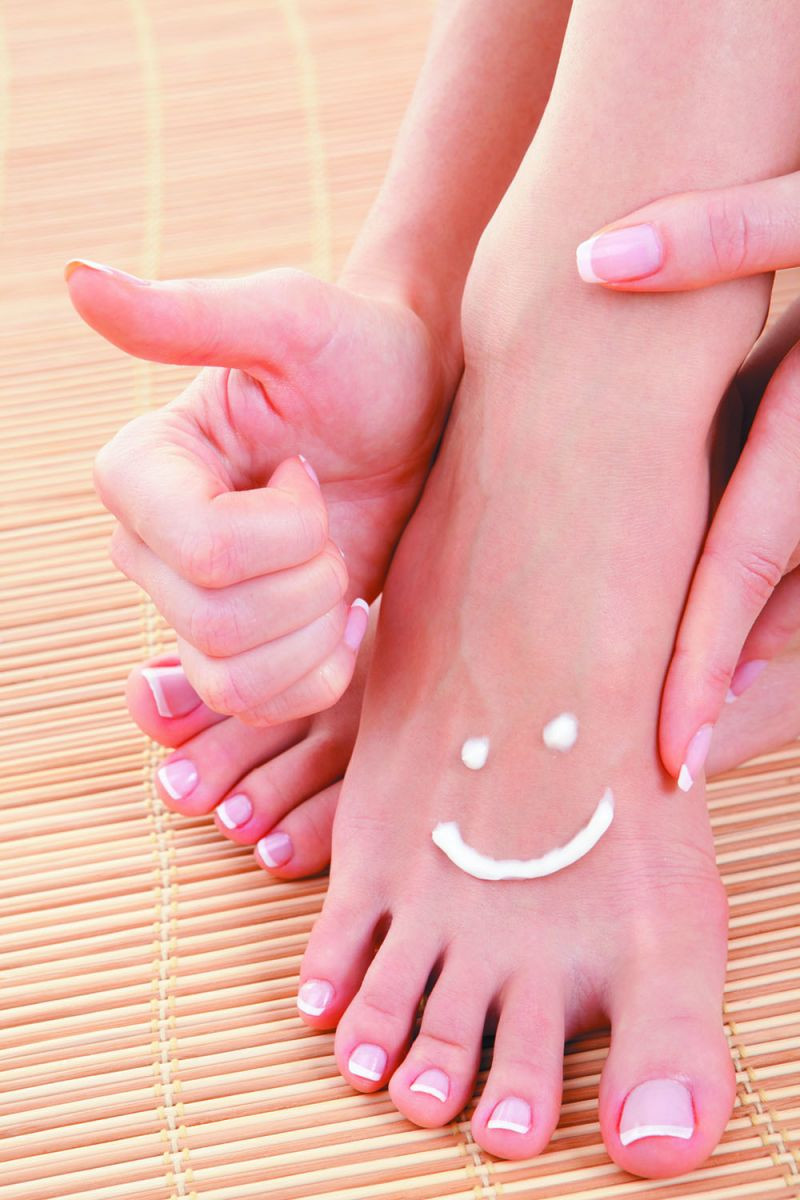
7 ways to safeguard your feet
Stay ahead of foot problems by inspecting your feet regularly, keeping them flexible, and wearing the right shoes.
Feet are the unsung heroes of mobility, and it's crucial to keep them healthy. Even minor problems with your feet — such as an ingrown toenail or a small cut — can leave you sidelined. "Breaches of the skin can quickly become problems, whether it's a scrape, ulcer, or blister that gets contaminated or becomes infected," says Dr. Christopher DiGiovanni, chief of foot and ankle surgery at Harvard-affiliated Massachusetts General Hospital.
Be proactive, and care for your feet the way you'd maintain any valuable equipment you rely on for mobility. Here are seven ideas to help.
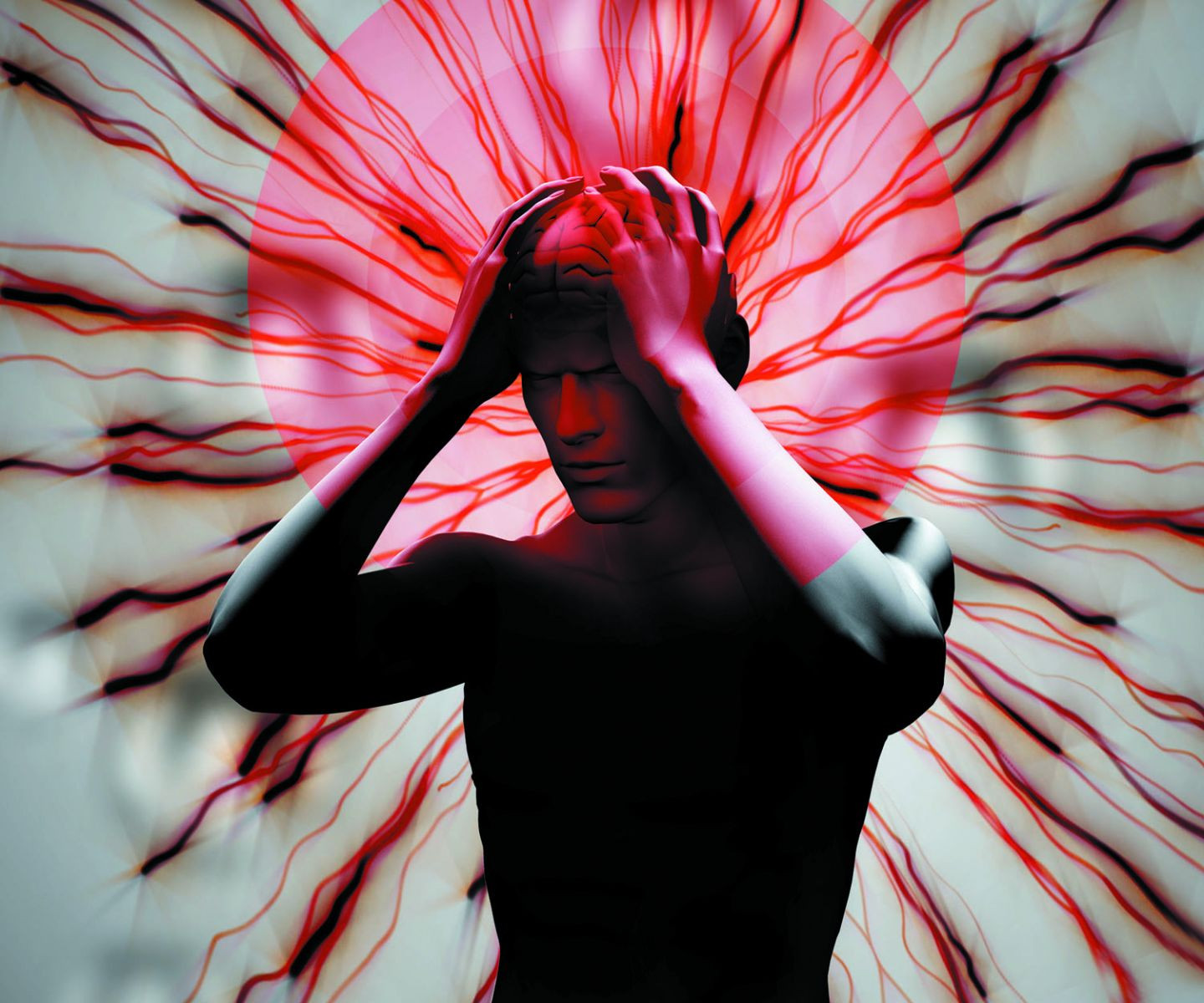
Quick-start guide to headaches
Pain from migraines, cluster headaches, and other types of headaches require very different treatments.
Image: © Wavebreakmedia Ltd/Thinkstock
Pain around the eye and throbbing on one side of the head — they're common headache symptoms, but what do they mean? "Many times people assume a headache is due to sinusitis, and they put up with it for years," says Dr. John Pettinato, a neurologist with Harvard-affiliated Beth Israel Deaconess Medical Center.
Understanding your pain can help you find the best approach to treatment.
People who walk more or walk faster live longer, study finds
Rosacea treatments: What works?
For sleep apnea, a dental device may be as effective as CPAP
Carb cycling: What is it, and does it work?
Understanding orthorexia: Have your healthy eating goals gone too far?
Melatonin or magnesium: Can either supplement help you sleep?
Salmonella, E. coli, Cyclospora, and other germs that cause food poisoning: What you need to know
Naturally gluten-free foods
Harvard study: Healthier fats linked to longer life after prostate cancer diagnosis
Shingrix shingles vaccine linked with lower heart disease risks
Free Healthbeat Signup
Get the latest in health news delivered to your inbox!
Sign Up
