

Naturally gluten-free foods

Harvard study: Healthier fats linked to longer life after prostate cancer diagnosis

Shingrix shingles vaccine linked with lower heart disease risks

Estrogen-only hormone therapy tied to lower dementia risk
Should you have a hysterectomy?

Stair climbing may significantly lower cardiovascular risks

Why do I sweat so much?

Walking pneumonia: The "mild" illness that can still pack a punch

What causes knee pain: How doctors make a diagnosis
Where you carry excess weight matters in predicting heart disease risk
Pain Archive
Articles



The surprising side effects from using technology
Repetitive motion and poor posture can lead to aches and pains.
Image: © Johnny Greig/Getty Images
You've mastered the art of texting, emailing, and web surfing on your smartphone and computer. But along with that digital prowess, you've picked up an unexpected side effect.
"We get a number of patients who develop injuries from these activities," says Dr. Tamara Rozental, an orthopedic surgeon who specializes in hand, wrist, and elbow disorders at Harvard-affiliated Beth Israel Deaconess Medical Center.

Don’t allow arthritis to keep you from exercising
News briefs
Image: © adamkaz/Getty Images
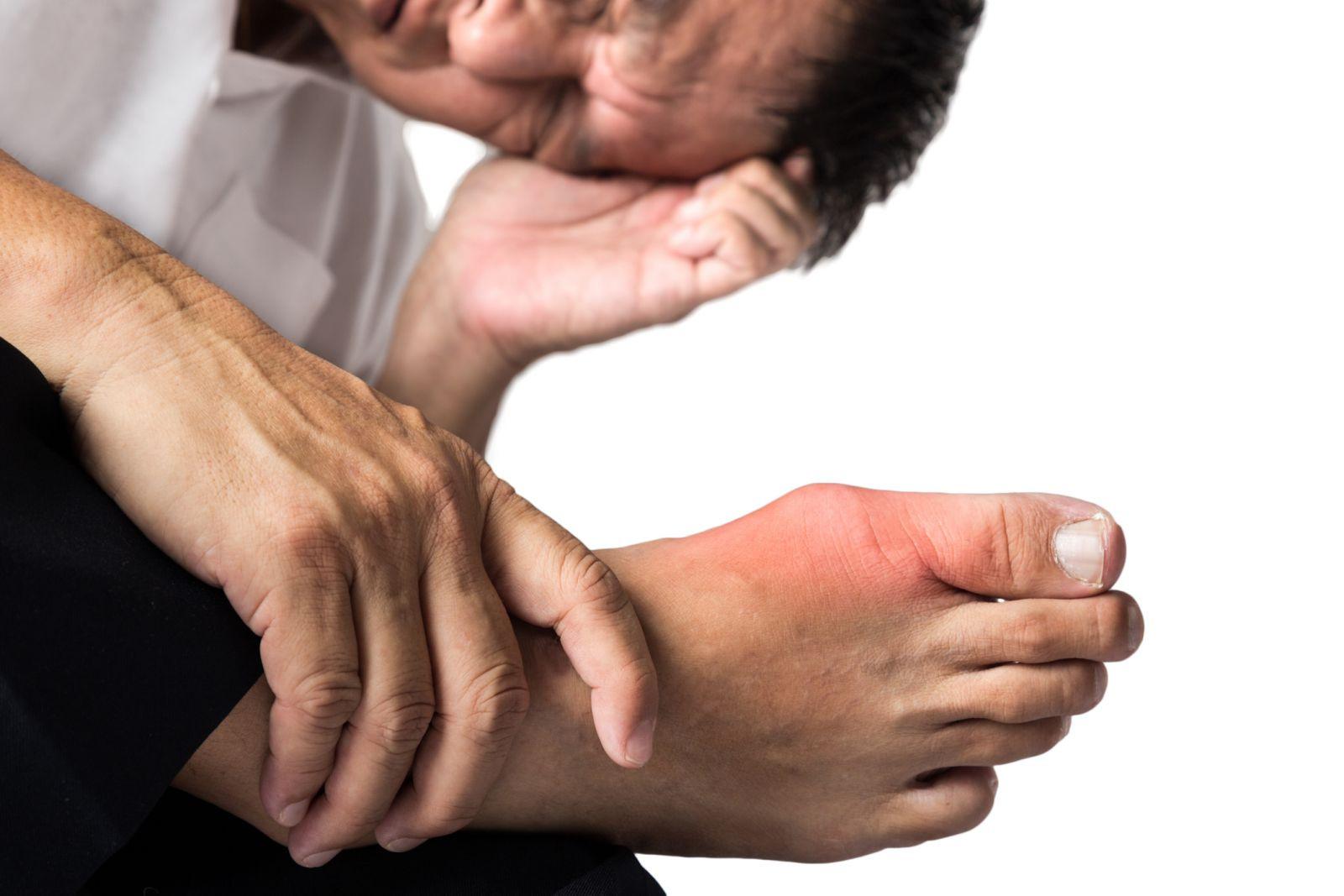
Exercise is considered the most effective pill-free treatment to cope with the pain and stiffness of arthritis. And more people are getting advice from their health care providers about how to stay active, according to a study published online Jan. 5, 2018, by the CDC's Morbidity and Mortality Weekly Report. Researchers looked at national health surveys gathered from 2002 to 2014. In that period, there was an increase in the proportion of people with arthritis (osteoarthritis, rheumatoid arthritis, gout, lupus, or fibromyalgia) who said their clinician suggested physical activity to help reduce symptoms — from 52% in 2002 to about 60% in 2014. But by 2014, about 40% of arthritis sufferers still said they weren't getting exercise counseling. That's significant, considering that 91 million people ages 18 or older are affected by arthritis, according to a study published online Nov. 27, 2017, by Arthritis & Rheumatology. You don't have to wait for a doctor to suggest exercise as an arthritis treatment. Try something gentle, like walking, tai chi, or modified yoga. For more ideas, check out the Harvard Special Health Report The Joint Pain Relief Workout (www.health.harvard.edu/jprw).

New drug shows promise for preventing migraines
In the journals
Image: © Wavebreakmedia/Getty Images
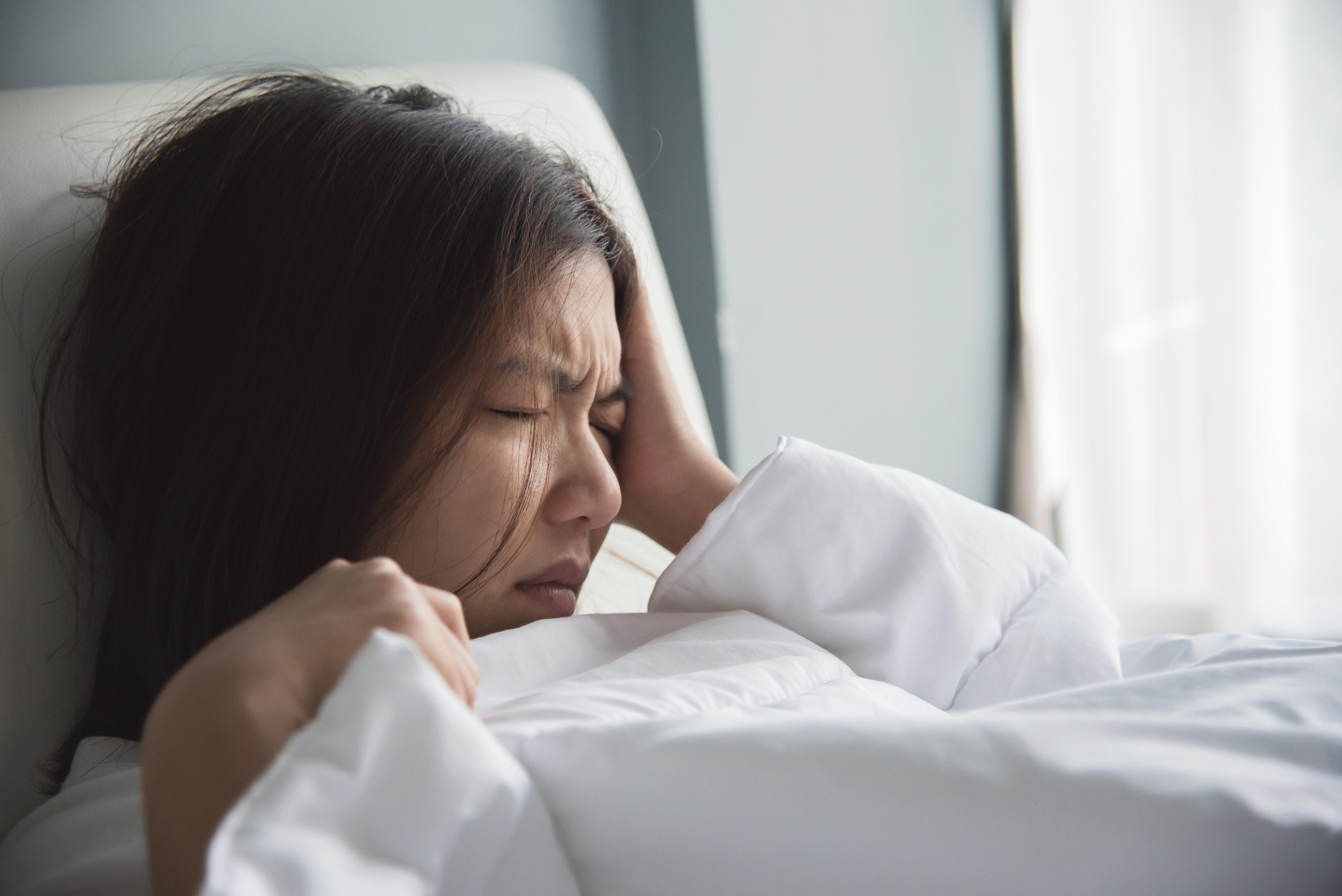
Migraine sufferers may be able to prevent future attacks with a new medication called galcanezumab, suggests a study published online Dec. 18, 2017, by JAMA Neurology. Currently, there are five FDA-approved drugs for migraines, but none were designed specifically for treating attacks or addressing the mechanisms at work.
In comparison, galcanezumab works to suppress the activity of calcitonin gene–related peptide (CGRP) in people. That molecule is believed to play an integral role in migraines and cluster headaches.

Coffee: More links to health than harm
News briefs
Image: © Wavebreakmedia/Getty Images
Past studies have suggested that drinking coffee is associated with many health benefits, such as added longevity, lower blood pressure, less weight gain with aging, and a reduced risk of many diseases, including type 2 diabetes, liver disease, cardiovascular disease, several degenerative neurological diseases (like Parkinson's disease), and cancer. Now a massive review of more than 200 large studies, published Nov. 22, 2017, in The BMJ, backs up many of those links. The largest health benefits were associated with drinking three to four cups of coffee per day: drinking more than four cups per day did not bring additional benefits. It's not all good news, however; the study found that women who drank coffee had greater risks for fracture and pregnancy complications. But over all, the researchers say, coffee drinking appears to be safe. They caution that the findings are all based on observational studies, not randomized controlled trials — the gold standard of research.

Opening up arteries to treat stable angina: Just a sham?
A study questioned the benefit of stents for some heart patients. What does this mean for people with chest pain?
Last fall, many news outlets highlighted a study suggesting that a common heart procedure — inserting a stent to open a narrowed heart artery — was no better than a sham procedure (see "Stent vs. sham: A short summary"). But the big picture isn't quite so simple.
For instance, it's worth noting that six weeks prior to undergoing the procedures, all of the 200 people who completed the study were prescribed increasing doses of heart medications. Referred to as optimal medical therapy, this approach is a proven strategy for treating chest pain brought on by physical activity or emotional stress that promptly goes away with rest or nitroglycerin (so-called stable angina).

Topical pain relievers may be less risky for the heart than pills
Research we're watching
The pain relievers known as nonsteroidal anti-inflammatory drugs (NSAIDs) help ease the ache of arthritis. But taking these pills regularly can increase blood pressure and worsen heart disease. Now, new research suggests that topical NSAIDs (available by prescription in gel form) may pose less risk than the pills.
Researchers tracked heart attacks, strokes, and other heart-related problems in more than 46,000 people with rheumatoid arthritis over a nine-year period. People who used topical NSAIDs (even those who already had heart disease) had fewer of these cardiovascular events than those who took oral NSAIDs, according to the study, published in the Oct. 27, 2017, Journal of the American Heart Association.
Naturally gluten-free foods
Harvard study: Healthier fats linked to longer life after prostate cancer diagnosis
Shingrix shingles vaccine linked with lower heart disease risks
Estrogen-only hormone therapy tied to lower dementia risk
Should you have a hysterectomy?
Stair climbing may significantly lower cardiovascular risks
Why do I sweat so much?
Walking pneumonia: The "mild" illness that can still pack a punch
What causes knee pain: How doctors make a diagnosis
Where you carry excess weight matters in predicting heart disease risk
Free Healthbeat Signup
Get the latest in health news delivered to your inbox!
Sign Up
