

Estrogen-only hormone therapy tied to lower dementia risk

Should you have a hysterectomy?

Stair climbing may significantly lower cardiovascular risks

Why do I sweat so much?

Walking pneumonia: The "mild" illness that can still pack a punch

Tai chi walking: What is it and does it work?

What causes knee pain: How doctors make a diagnosis
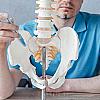
Sacroiliac joint pain: Causes, symptoms, and exercises that help

Where you carry excess weight matters in predicting heart disease risk

Study: At-home colorectal cancer screening may significantly cut colon cancer deaths
Over-the-counter (OTC) medications Archive
Articles

Top 5 ways to reduce crippling hand pain
The most common causes of hand pain include osteoarthritis, nerve conditions, and tendinitis. To help manage the pain and avoid surgery, doctors recommend splinting, corticosteroid injections, anti-inflammatories, heat and cold applications, and hand exer

New medication for urinary tract infections: Will it really help?
In 2024, the FDA approved the sale of pivmecillinam (Pivya), an antibiotic to treat urinary tract infections (UTIs) in women. When the drug becomes available in 2025, it will join the lineup of existing first-line antibiotic treatments for UTIs, such as trimethoprim/sulfamethoxazole (Bactrim) and nitrofurantoin (Macrobid). Doctors say having another treatment option on the same tier will be helpful, since some germs that cause UTIs have become resistant to existing antibiotics.

Testosterone-blocking drugs boost heart disease risk when given in combination
Androgen deprivation therapy can slow or control prostate cancer, and adding a second class of drugs improves survival when the disease is in advanced stages. But all drugs that block testosterone have challenging side effects, and a review of studies showed that cardiovascular risks worsen when these drugs are given together.

What causes my ankles to swell?
The most common reason for swelling in both ankles is incompetent valves in the leg veins. People can treat this by wearing support hose and elevating the ankles above the level of the heart when possible. Eating less salt can help prevent ankle swelling that occurs in warm weather.

Osteoporosis drugs: Which one is right for you?
Women with osteoporosis have many options for preserving bone strength and preventing fractures. The mainstays of treatment are bisphosphonate drugs.


Packing your hurricane go bag? Make provisions for your health
When you're packing a hurricane go-bag, keep health priorities in mind. If you don't prepare in advance, you might leave behind medicines, medical supplies, important paperwork, and other essentials that can help you stay healthy. Here's how to plan ahead.

More guidance on using the COVID-19 drug Paxlovid
Guidelines advise unvaccinated people at high risk for severe COVID to take Paxlovid (nirmatrelvir with ritonavir) soon after symptoms begin. However, a 2024 study suggests that people who are vaccinated and high-risk or unvaccinated and low-risk don't need to do so.

Dizziness demystified
Vertigo is a symptom, not a condition. It can make people feel lightheaded, faint, unsteady, or like the room is spinning. Common conditions causing vertigo include benign paroxysmal positional vertigo, vestibular migraines, vestibular neuritis, and Meniare's disease. People should see a doctor after a single vertigo episode to determine the cause. Depending on the cause, treatments might include medications, a canalith repositioning procedure, vestibular therapy, and cognitive behavioral therapy. Staying active, not sedentary, between episodes can help people with vertigo feel better.
Estrogen-only hormone therapy tied to lower dementia risk
Should you have a hysterectomy?
Stair climbing may significantly lower cardiovascular risks
Why do I sweat so much?
Walking pneumonia: The "mild" illness that can still pack a punch
Tai chi walking: What is it and does it work?
What causes knee pain: How doctors make a diagnosis
Sacroiliac joint pain: Causes, symptoms, and exercises that help
Where you carry excess weight matters in predicting heart disease risk
Study: At-home colorectal cancer screening may significantly cut colon cancer deaths
Free Healthbeat Signup
Get the latest in health news delivered to your inbox!
Sign Up
