

Reading the current blood pressure guidelines

Oat vs. dairy milk: Nutrition, benefits, and downsides

Microplastics: A hidden health threat?

Healing after food poisoning

What is tempeh? Benefits, nutrition, and how to use it

Light exposure at night may raise risk for heart disease

Whole grains may improve several heart risk factors at once

A lumbar belt may help ease low back pain

Children of centenarians may stay healthier and live longer too, study finds

Signs of pneumonia: Sometimes vague and unexpected
Other types of arthritis Archive
Articles
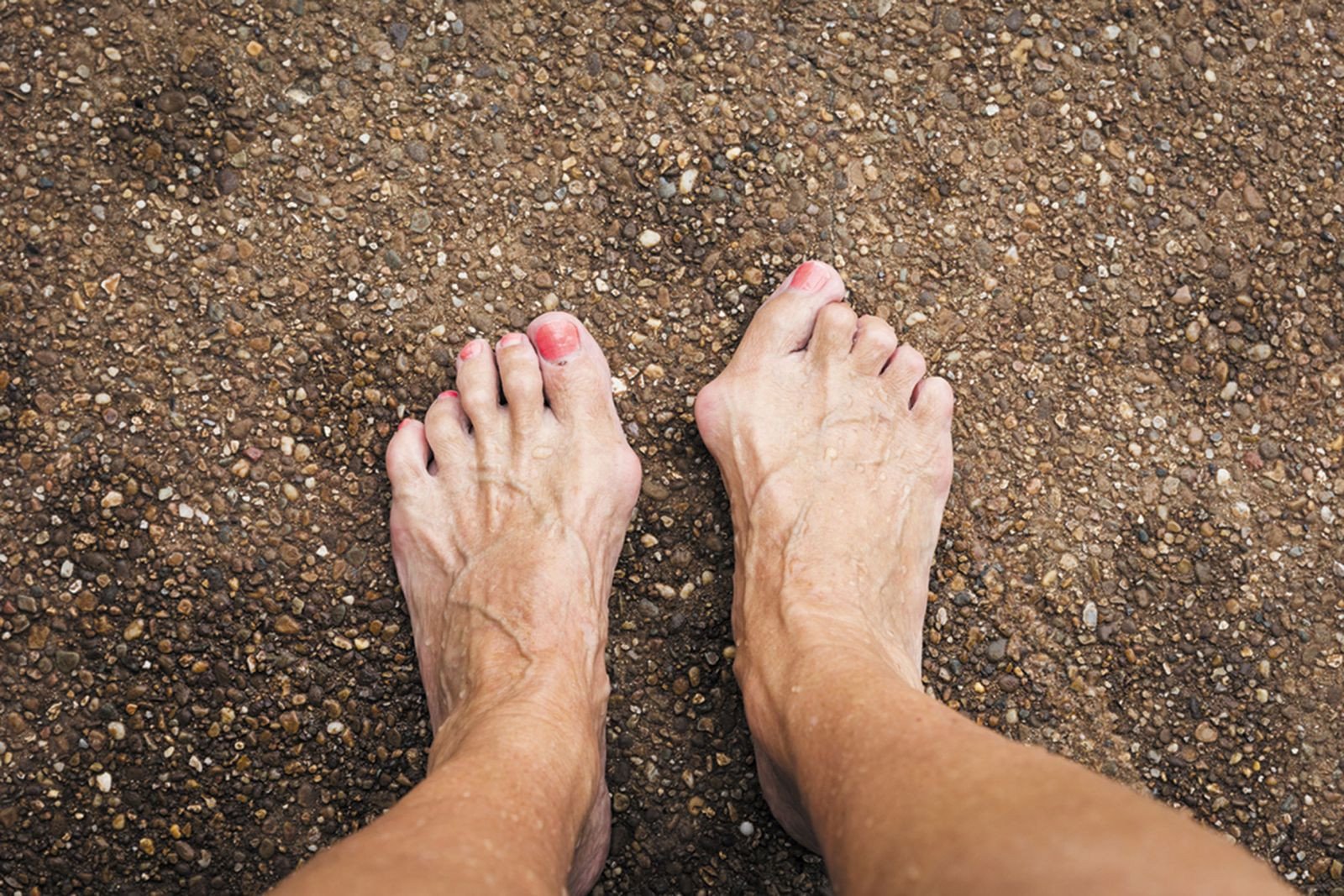
Battling the big toe joint blues
Arthritis, bunions, and gout can be disabling. Here are common fixes to stay mobile.
Aching hips, knees, and shoulders are common, and over time can lead to immobility. But so can an aching big toe. The joint at the base of the big toe — called the metatarsophalangeal or MTP joint — is the part of the toe that is affected.
What's the MTP joint?
The MTP joint connects the first long bone (metatarsal) in the forefoot to the first bone of the big toe (phalanx). The joint bends with every step you take, so that you can push off and let the other leg move forward. But the MTP joint takes a beating during that process: for a brief moment as you push off, the MTP joint supports half of your body weight.

Ask the doctor: Does prednisone increase blood pressure?
Q. I have rheumatoid arthritis, and my doctor wants me to take prednisone for it. Will prednisone be bad for my blood pressure, which is already high?
A. Prednisone raises blood pressure in many people who take it. One reason is that prednisone and other corticosteroids cause the body to retain fluid. Extra fluid in the circulation can cause an increase in blood pressure.
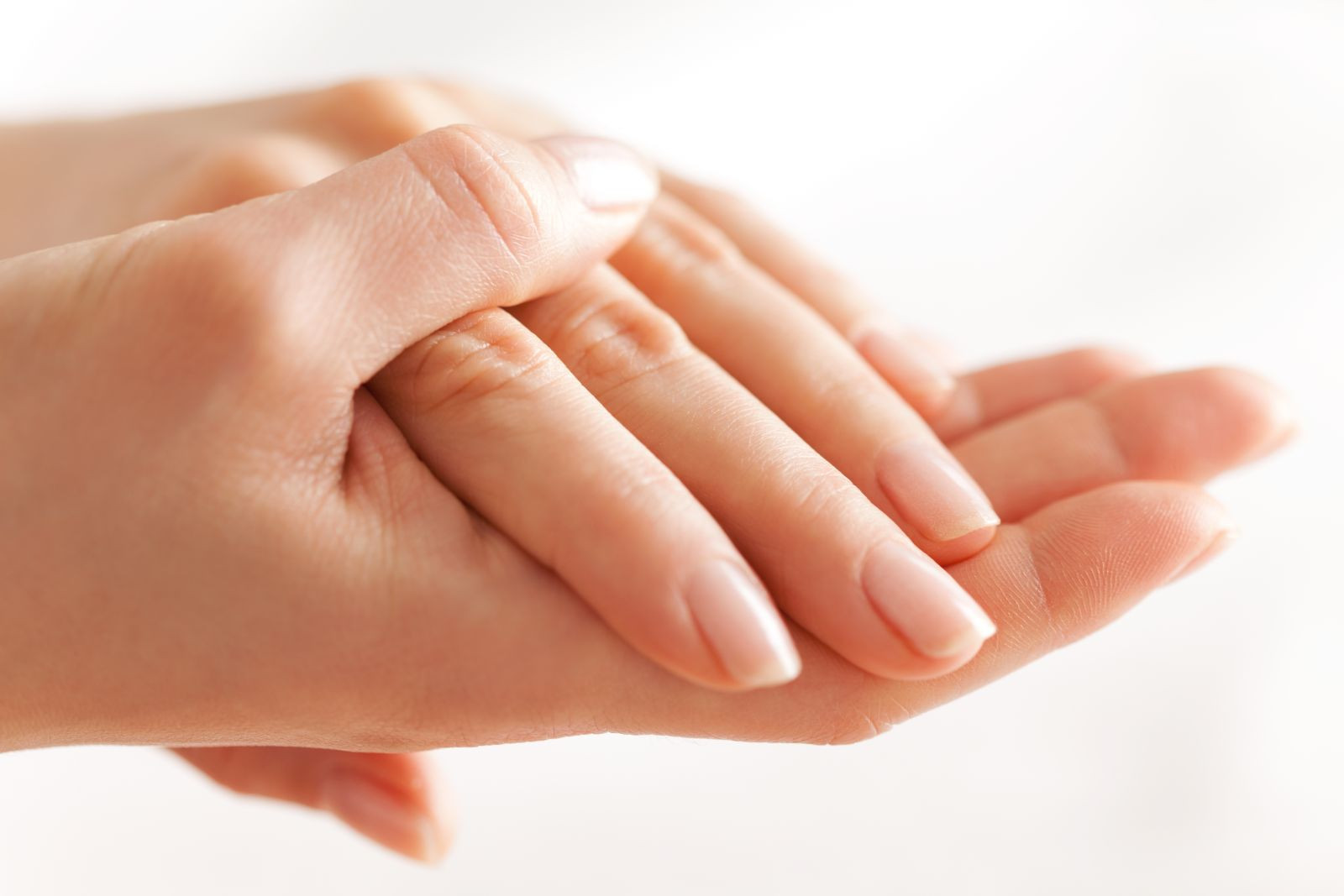
By the way, doctor: What causes Beau's lines?
Q. You wrote about weak, brittle fingernails with longitudinal ridges. I have strong nails with horizontal ridges. What causes this, and what can I do about it?
A. You may be referring to Beau's lines, which are grooves that run horizontally across the nail plate. They usually develop when nail plate growth, which begins in the nail matrix (located under the cuticle), is temporarily disrupted. This can occur with direct injury to the nail matrix; an inflammatory condition such as psoriasis; infection around the nail plate; repetitive picking at the nails or cuticles; or even a manicure. Systemic causes include a common side effect of chemotherapy, nutritional deficiencies, illnesses accompanied by high fever, metabolic conditions, and diminished blood flow to the fingers (from Raynaud's phenomenon, for example).

Answers to the top questions about cannabis extract
Sales of cannabidiol-infused products are expected to top $2 billion by 2021. But is CBD right for you?
Cannabidiol (CBD) is touted as a natural wonder that can help treat symptoms of everything from anxiety to arthritis pain. The plant extract comes from two varieties of cannabis — hemp and marijuana — and is available in creams, tinctures, oils, patches, gummy bears, capsules, and more. You can even add CBD to a latte if you walk into a coffee shop in some cities.
But is CBD safe for older adults? There haven't been a lot of large studies of CBD's safety, but more traditional medicines for pain and anxiety are not free of adverse effects, either. "I think CBD is likely safer than many other treatments people use for pain, insomnia, or anxiety," says Dr. Peter Grinspoon, a primary care physician with Harvard-affiliated Massachusetts General Hospital. Other physicians don't think we know enough about the safety profile of CBD to be sure.

Put your best foot forward
Here's what you can do about the three most common foot issues related to aging.
When our feet hurt, we hurt all over. That saying is often attributed to the Greek philosopher Socrates, and it's as relevant today as it was more than 2,500 years ago.
"Our feet are our vehicle to an active lifestyle," says Dr. Christopher DiGiovanni, chief of the Foot and Ankle Service at Harvard-affiliated Massachusetts General Hospital and Newton Wellesley Hospital. "If your feet are not sound and healthy, it's tough to keep the rest of you healthy, too."

Does arthritis pain change with the weather?
Ask the doctors
Q. My friend insists that her arthritis pain gets worse just before it rains. Is it true that joint pain can intensify based on the weather?
A. Despite what your friend, your grandmother, and generations of people have sworn is the case, experts haven't found consistent evidence that arthritis pain gets worse on rainy days. At best, study results over the years have been mixed, and one large, recent study seems to cast doubt on the theory.

Bumps on finger joints may hint at knee problems
Research we're watching
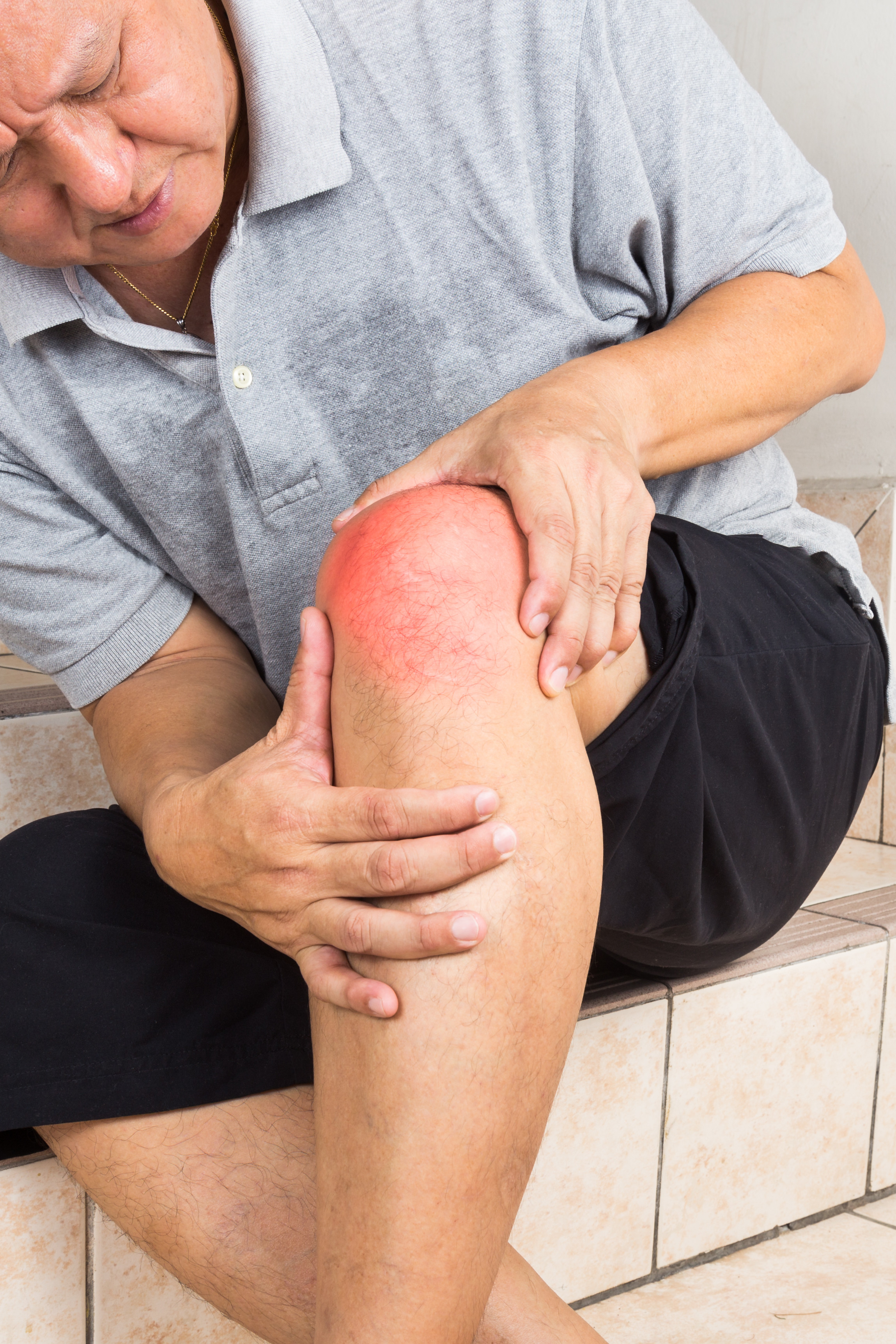
If you have an arthritis-related condition called Heberden's nodes, you may be at higher risk for arthritis-related knee problems, according to a study published online January 9 by Arthritis & Rheumatology.
Heberden's nodes develop when cartilage in the fingers wears away, causing the bones to rub against one another. This prompts new bone to form, creating bony nodules in the knuckles closest to the fingertips.

Reading the current blood pressure guidelines
Oat vs. dairy milk: Nutrition, benefits, and downsides
Microplastics: A hidden health threat?
Healing after food poisoning
What is tempeh? Benefits, nutrition, and how to use it
Light exposure at night may raise risk for heart disease
Whole grains may improve several heart risk factors at once
A lumbar belt may help ease low back pain
Children of centenarians may stay healthier and live longer too, study finds
Signs of pneumonia: Sometimes vague and unexpected
Free Healthbeat Signup
Get the latest in health news delivered to your inbox!
Sign Up
