

Reading the current blood pressure guidelines

Oat vs. dairy milk: Nutrition, benefits, and downsides

Microplastics: A hidden health threat?

Healing after food poisoning

What is tempeh? Benefits, nutrition, and how to use it

Light exposure at night may raise risk for heart disease

Whole grains may improve several heart risk factors at once

A lumbar belt may help ease low back pain

Children of centenarians may stay healthier and live longer too, study finds

Signs of pneumonia: Sometimes vague and unexpected
Other types of arthritis Archive
Articles

Giving steroid injections a shot
They can offer temporary pain relief, but are they right for you?
If you're battling with a flare-up of arthritis, bursitis, or tendinitis, you may find relief from an injection of cortisone (a type of steroid).
"People turn to injections when conservative treatments like over-the-counter and prescription pain medication or physical therapy no longer work, and their pain begins to interfere with quality of life," says Dr. Rob Shmerling, clinical chief of rheumatology at Harvard-affiliated Beth Israel Deaconess Medical Center.

Is osteoarthritis reversible?
Ask the doctors
Q. I recently started experiencing a lot of pain in my hand from osteoarthritis. Can I reverse this condition?
A. You can't reverse osteoarthritis, but there are things you can do to manage your pain and improve your symptoms. Osteoarthritis occurs when the protective cartilage that acts as cushioning between your bones starts to fray and wear down over time. Eventually this enables the bones to rub together, which causes the pain you are experiencing as well as swelling and stiffness that makes it difficult to move your hand freely. Typically, when you have arthritis, the pain and symptoms will be worse at some times than at others. You may experience a flare-up one day and feel better the next. To help reduce the discomfort of a flare-up, talk to your doctor about medication to relieve pain. She or he may recommend an over-the-counter pain reliever. Some people also get symptom relief using a topical pain reliever that is rubbed into the skin. Other strategies that can ease pain are splints or braces, heat or cold therapy, activity modification, and exercises or physical therapy to increase flexibility and strengthen your hand muscles.

Pain relievers: A cause of higher heart risk among people with arthritis?
Research we're watching
To manage the painful joint disease known as osteoarthritis, people often take ibuprofen (Advil, Motrin) and naproxen (Aleve, Anaprox). But these and related drugs — known as NSAIDs — may account for the higher rates of heart disease seen in people with osteoarthritis, a new study suggests.
Researchers matched 7,743 people with osteoarthritis with 23,229 healthy people who rarely or never took NSAIDs. People with osteoarthritis had a 42% higher risk of heart failure and a 17% higher risk of coronary artery disease compared with healthy people. After controlling for a range of factors that contribute to heart disease (including high body mass index, high blood pressure, and diabetes), they concluded that 41% of the increased risk of heart disease related to osteoarthritis was due to the use of NSAIDs.

Getting a grip on hand osteoarthritis
Can you do anything about hand and finger joint pain?
Everyone experiences the occasional painful hands and sore fingers, but when osteoarthritis strikes, it can put a hold on many aspects of your life.
"As osteoarthritis progresses, you may lose some hand mobility, like the ability to grasp and hold objects," says Dr. Robert Shmerling, clinical chief of rheumatology at Harvard-affiliated Beth Israel Deaconess Medical Center and senior faculty editor at Harvard Health Publishing. "Over time, osteoarthritis can make the joints deformed, so it's harder to open and close your hands."
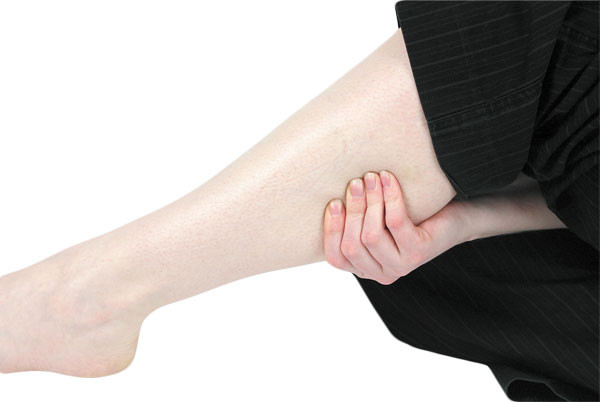
Will tonic water prevent nighttime leg cramps?
Ask the doctor
Image: Karl Rosencrants/ Thinkstock
Q. It's been suggested that drinking 2 to 3 ounces of tonic water before bedtime can prevent leg cramps at night. Is that true?
A. Tonic water—and the quinine it contains—have been promoted for preventing leg cramps for decades despite the lack of evidence that they are effective. Quinine is FDA-approved only for treating malaria and is sold with a warning against using it to treat leg cramps or muscle pain, because it increases the risk of bleeding and heart rhythm disturbances. Tonic water contains no more than 83 mg of quinine per liter—a much lower concentration than the 500 to 1,000 mg in the therapeutic dose of quinine tablets. Drinking a few ounces of tonic water shouldn't be harmful, but it isn't likely to prevent your leg cramps.
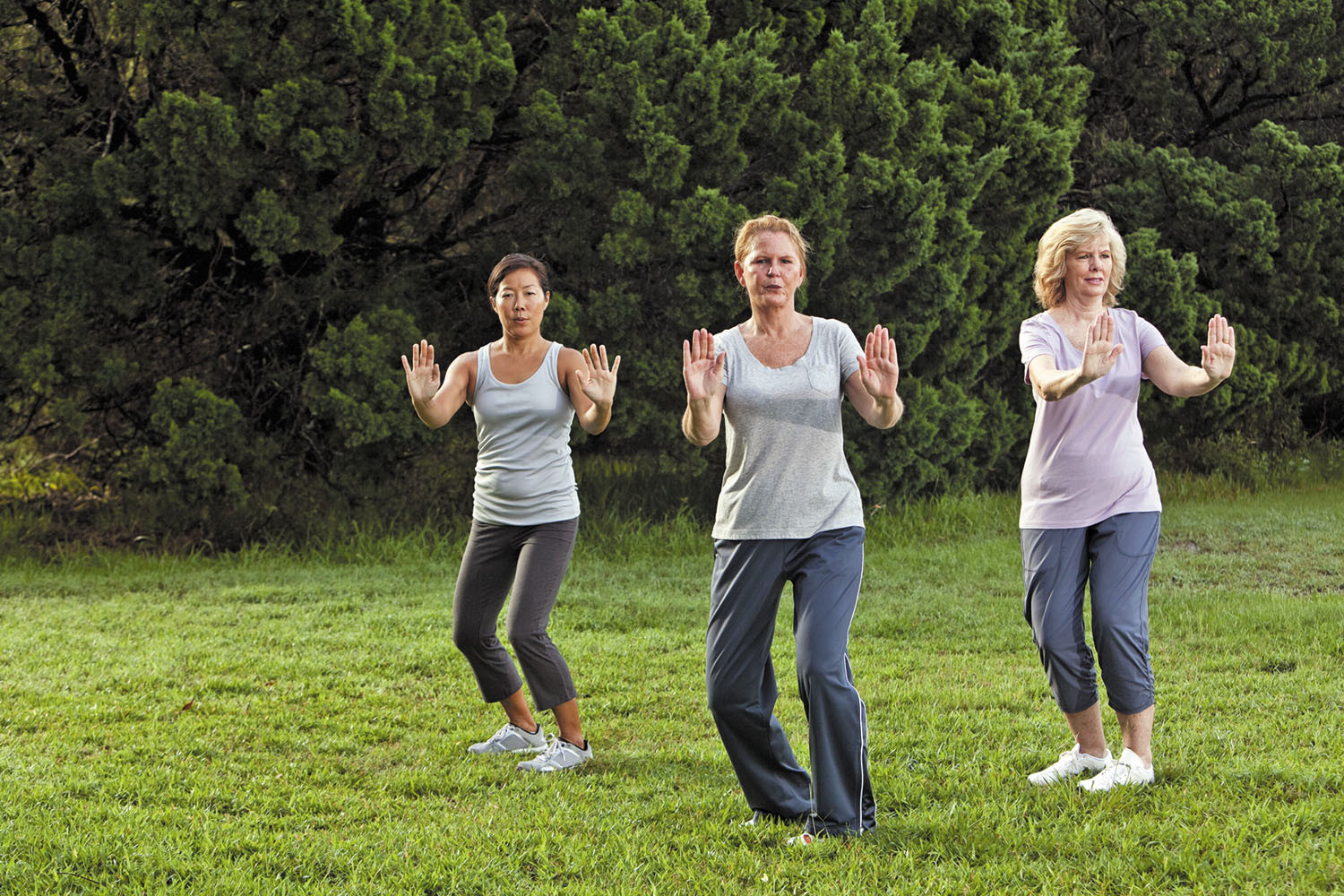
Is exercise good for arthritis?
Ask the doctors
Q. I have arthritis and my doctor recommended I start exercising, but I'm worried it will make my pain worse. Should I follow her advice?
A. Yes, your doctor is right. Although it may seem counterintuitive to move more when your joints hurt, studies have shown that exercise can reduce arthritis-related pain, fatigue, and stiffness. Exercise is also important for your overall health and can help reduce your risk of heart disease, obesity, and diabetes.

Taming carpal tunnel syndrome
Inside your wrist, a slick tunnel passes through the carpal bones. The nerves and tendons of the wrist pass through this space, called the carpal tunnel. One of these nerves, the median nerve, controls sensations in the palm side of the thumb, the index and middle fingers, and half of the ring finger. It also transmits the impulses to certain hand muscles that allow the fingers and thumb to move. Carpal tunnel syndrome occurs when this nerve becomes irritated or squeezed. Symptoms include numbness, tingling, pain, or weakness in the hand of the affected wrist.
Because the carpal tunnel starts out narrow, it doesn't take much to aggravate or compress the median nerve. A number of conditions can make a person more prone to carpal tunnel syndrome. These include:

Exercise: Rx for overcoming osteoarthritis
Exercising may be the last thing you want to do when your joints are stiff and achy. But exercise is a crucial part of osteoarthritis treatment in order to ease pain and stay active.
Osteoarthritis is a chronic and progressive disease characterized by loss of the cartilage that covers and protects the ends of the bones where they meet at a joint. Without this protective coating, bone rubs against bone, causing irritation and inflammation. The result is pain and stiffness in the joint and often pain in the muscles and ligaments that surround it.

Look out for Lyme
Here's how to protect yourself from this growing tick-borne disease.
Summer is the ideal time to enjoy the outdoors, but while you're interacting with nature, you need to look out for ticks that carry Lyme disease, the most common tick-borne disease in the United States.
About 300,000 people are diagnosed with Lyme disease each year, according to the CDC, and new research suggests that number will rise by 20% by mid-century.

Rubbing it in
Pain relief creams and ointments can get the medicine right to where it hurts, and the smell is often familiar and soothing. But do they work?
When something like a knee hurts, there's a natural tendency to rub it. And if it really hurts, most of us will think about popping a pain-relieving pill of some kind — acetaminophen (Tylenol) for starters, or perhaps one of the nonsteroidal anti-inflammatory drugs (NSAIDs) like aspirin, ibuprofen (Advil, Motrin), or naproxen (Aleve, Naprosyn).
Reading the current blood pressure guidelines
Oat vs. dairy milk: Nutrition, benefits, and downsides
Microplastics: A hidden health threat?
Healing after food poisoning
What is tempeh? Benefits, nutrition, and how to use it
Light exposure at night may raise risk for heart disease
Whole grains may improve several heart risk factors at once
A lumbar belt may help ease low back pain
Children of centenarians may stay healthier and live longer too, study finds
Signs of pneumonia: Sometimes vague and unexpected
Free Healthbeat Signup
Get the latest in health news delivered to your inbox!
Sign Up
