
Reading the current blood pressure guidelines

Oat vs. dairy milk: Nutrition, benefits, and downsides

Microplastics: A hidden health threat?

Healing after food poisoning

What is tempeh? Benefits, nutrition, and how to use it

Light exposure at night may raise risk for heart disease

Whole grains may improve several heart risk factors at once

A lumbar belt may help ease low back pain

Children of centenarians may stay healthier and live longer too, study finds

Signs of pneumonia: Sometimes vague and unexpected
Other types of arthritis Archive
Articles
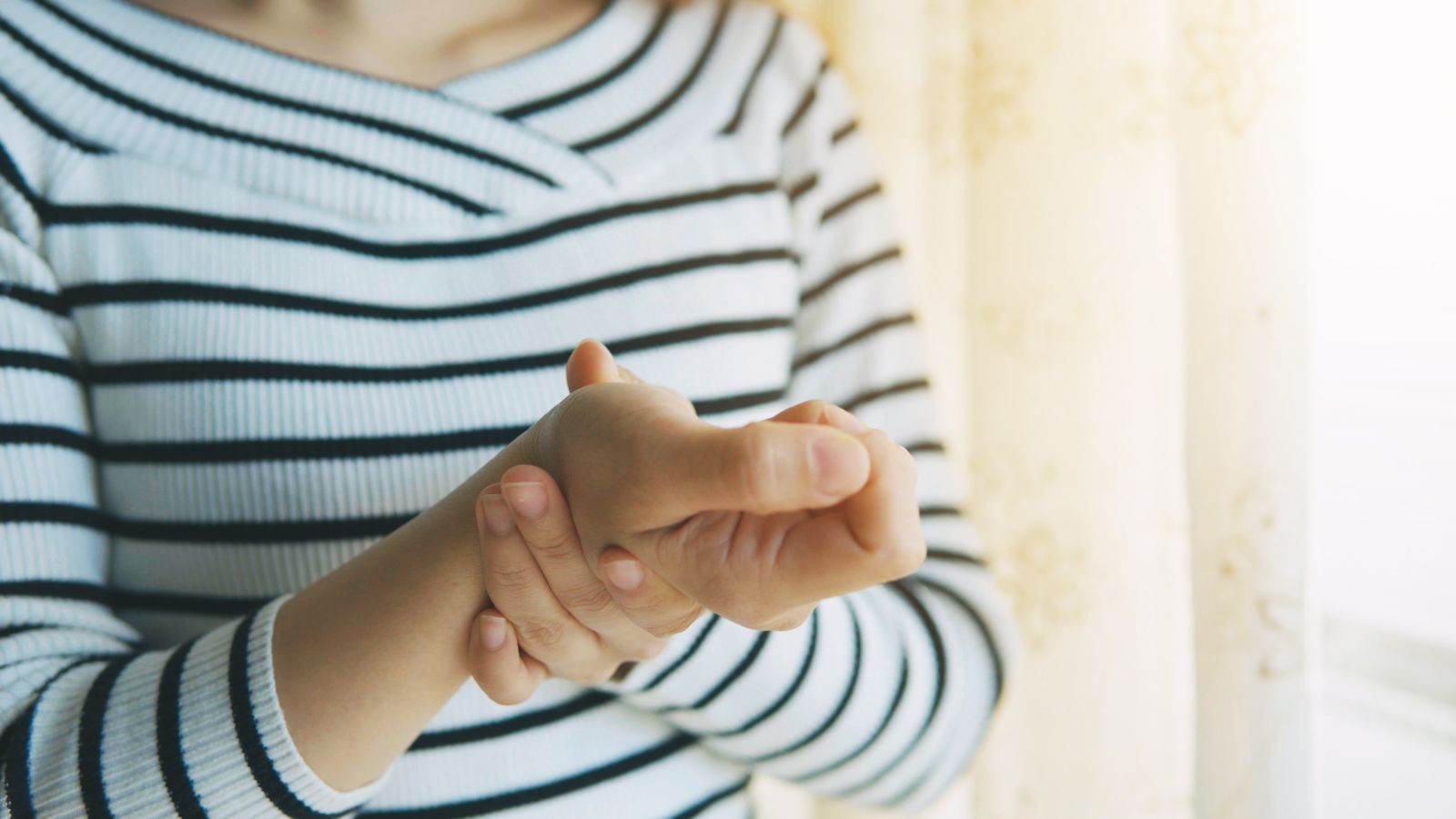
Tendon trouble in the hands: de Quervain's tenosynovitis and trigger finger
Painful conditions like de Quervain's tenosynovitis, inflammation of the tendons that move the thumb, and stenosing tenosynovitis, or trigger finger, when a digit becomes locked, can develop due to overuse or repetitive movement.

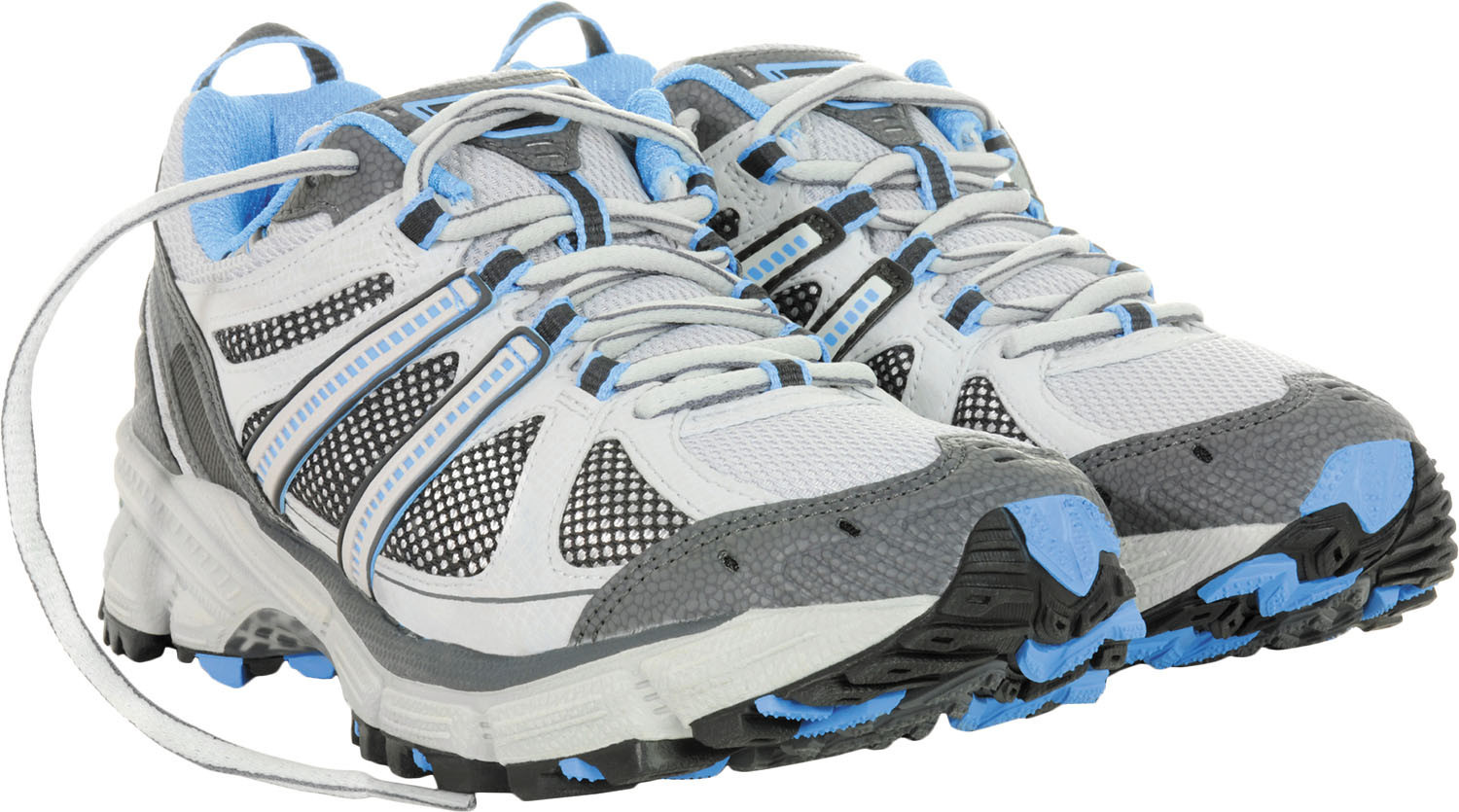
Study finds these shoes are better at keeping knee pain in check
News briefs
When you have knee pain, you just want it to go away so you can walk without having to limp or wince with every step. And a small, randomized trial published online Jan. 12, 2021, by Annals of Internal Medicine found that one type of shoe might be best for the job. Researchers took 164 people ages 50 or older with moderate or severe knee arthritis and randomly assigned half of the group to wear stable, supportive shoes with thick soles that didn't bend much. The other half was assigned flat shoes with thin, flexible soles, which are believed by some to provide a benefit by allowing more natural movement of the leg and foot. Both groups wore their assigned shoes for six hours per day and took part in activities such as walking during that time. After six months, 58% of people in the stable, supportive shoe group reported a reduction in knee pain while walking, compared with 40% of people reporting pain reduction after wearing the flat, flexible shoes. In both groups, the pain reduction probably was a benefit of regular walking. The people wearing flexible shoes were also twice as likely to develop ankle or foot pain, compared with those wearing sturdy shoes. So if you have knee pain, keep walking — in sturdy shoes.
Image: © chictype/Getty Images

Safety of LED nail lamps
Ask the doctors
Q. I was worried about drying my nails with a lamp or light box at the nail salon because of the potential risk of cancer from the ultraviolet radiation, but my salon recently switched to LED lamps. Are they safer?
A. The light boxes used to cure polish during gel manicures, and to dry traditional nail polish, have raised some concern because — like tanning beds — they emit ultraviolet A (UVA) radiation, which is associated with a higher cancer risk. A 2014 study in JAMA Dermatology found that the level of UVA exposure associated with a gel manicure every two weeks probably isn't high enough to increase the risk of skin cancer significantly, but you are wise to be aware of the issue.

Moving away from knee osteoarthritis
Men may avoid activity because of their knee pain, but movement is exactly what they need.
It is perhaps the ultimate exercise catch-22: it's hard to move with knee osteoarthritis, but moving helps relieve osteoarthritis knee pain.
More than 30 million Americans have osteoarthritis, the most common kind of arthritis. While osteoarthritis can affect the hips, lower back, neck, and fingers, it occurs most often in the knees. In fact, an estimated 10% of men ages 60 and older have symptoms of knee osteoarthritis.


Choosing a home exercise machine
Treadmills and related fitness equipment can make aerobic workouts more convenient. Which type is best for you?
Even if you enjoy exercising outdoors, there are times when it's too cold, too hot, or otherwise uncomfortable or impractical to walk, jog, or cycle outside. And like many people, perhaps you've let your gym membership lapse. So how do you make sure you're getting an aerobic, heart-protecting workout most days of the week?
Maybe it's time to invest in a home exercise machine, such as a treadmill or elliptical machine. Not only can you exercise in the privacy of your home, you can also easily break up your workout into 10- to 15-minute stints throughout the day, whenever it's convenient for you. Current guidelines recommend getting at least 2.5 hours of heart rate–elevating (aerobic) exercise each week.

Did my diet cause my gout?
Ask the doctors
Q. I eat a lot of shellfish and recently developed gout in my knee. Did my diet cause the condition?
A. As you probably know, gout is a painful form of arthritis that occurs when high levels of a waste product called uric acid build up in the body. It can settle into joints, where it forms sharp crystals that can trigger inflammation, redness, and pain. Your diet may have aggravated the condition, but didn't cause it.

Am I too young for a knee replacement?
Ask the doctors
Q. I'm in my early 50s and am considering a knee replacement for severe arthritis. I've heard that doctors typically encourage people to wait until after age 60 to perform this procedure. Should I wait to have the surgery?
A. Doctors do sometimes recommend that people under age 60 wait to undergo a knee replacement procedure, because these artificial joints typically last only about 15 to 20 years. If someone younger gets the procedure, it's likely that the joint will need to be replaced again down the line. That said, the decision to have a joint replacement really depends more on your individual circumstances, such as how much pain you have, whether the problem is causing you significant disability, and your overall health, not just how old you are. Some people can safely wait until they are 60 to undergo the procedure without a problem. For others, waiting too long to have the knee replaced might not be advised. For example, if the knee joint deteriorates too much, that may make the surgery to replace it more challenging. Over all, most people (80% to 90%) who do opt for a knee replacement are happy with the results of the procedure, but it's best to discuss the pros and cons with your doctor.
Reading the current blood pressure guidelines
Oat vs. dairy milk: Nutrition, benefits, and downsides
Microplastics: A hidden health threat?
Healing after food poisoning
What is tempeh? Benefits, nutrition, and how to use it
Light exposure at night may raise risk for heart disease
Whole grains may improve several heart risk factors at once
A lumbar belt may help ease low back pain
Children of centenarians may stay healthier and live longer too, study finds
Signs of pneumonia: Sometimes vague and unexpected
Free Healthbeat Signup
Get the latest in health news delivered to your inbox!
Sign Up
