

CoQ10: Should you take this popular supplement if you're on a statin?

Oat vs. dairy milk: Nutrition, benefits, and downsides

Microplastics: A hidden health threat?

Healing after food poisoning

What is tempeh? Benefits, nutrition, and how to use it

Light exposure at night may raise risk for heart disease

Whole grains may improve several heart risk factors at once

A lumbar belt may help ease low back pain

Children of centenarians may stay healthier and live longer too, study finds

Signs of pneumonia: Sometimes vague and unexpected
Osteoporosis Archive
Articles

Electronic screen alert: Avoid this vision risk
Looking at a screen too long may lead to computer vision syndrome.
Image: © jacoblund/Thinkstock
There are many reasons to restrict the amount of time you spend in front of an electronic screen. For example, more hours sitting at a computer or smartphone means fewer hours of being physically active, and looking at a computer screen at night can stimulate the brain and make it difficult to fall asleep.
Here's another reason to curb screen time: a problem called computer vision syndrome — an umbrella term for conditions that result from looking at a computer or smartphone screen. "It's most prevalent with computers, and typically occurs when looking at a screen at arm's length or closer," says Dr. Matthew Gardiner, an ophthalmologist with Harvard-affiliated Massachusetts Eye and Ear Infirmary.

Hepatitis C: Still a major risk for baby boomers
News briefs
Image: © jarun011/Thinkstock
New cases of hepatitis C — a viral infection that attacks the liver — are at a 15-year high, according to surveillance data from the CDC released online May 11, 2017. The CDC estimates that there were about 34,000 new cases in 2015. Young adults (ages 20 to 29) account for most of the new infections, and the CDC attributes this to needle use from opioid addiction. But baby boomers (those born between 1945 and 1965) make up three-quarters of the 3.5 million people living with hepatitis C in the United States. Baby boomers are also the ones dying most often from the virus. New medicines can cure hepatitis C infections in as little as two to three months.
The CDC urges you to get a screening test for the virus if you were born between 1945 and 1965. Anyone who has used illicit intravenous drugs, had more than one sex partner, or who had a blood transfusion before 1992 also should get the test.
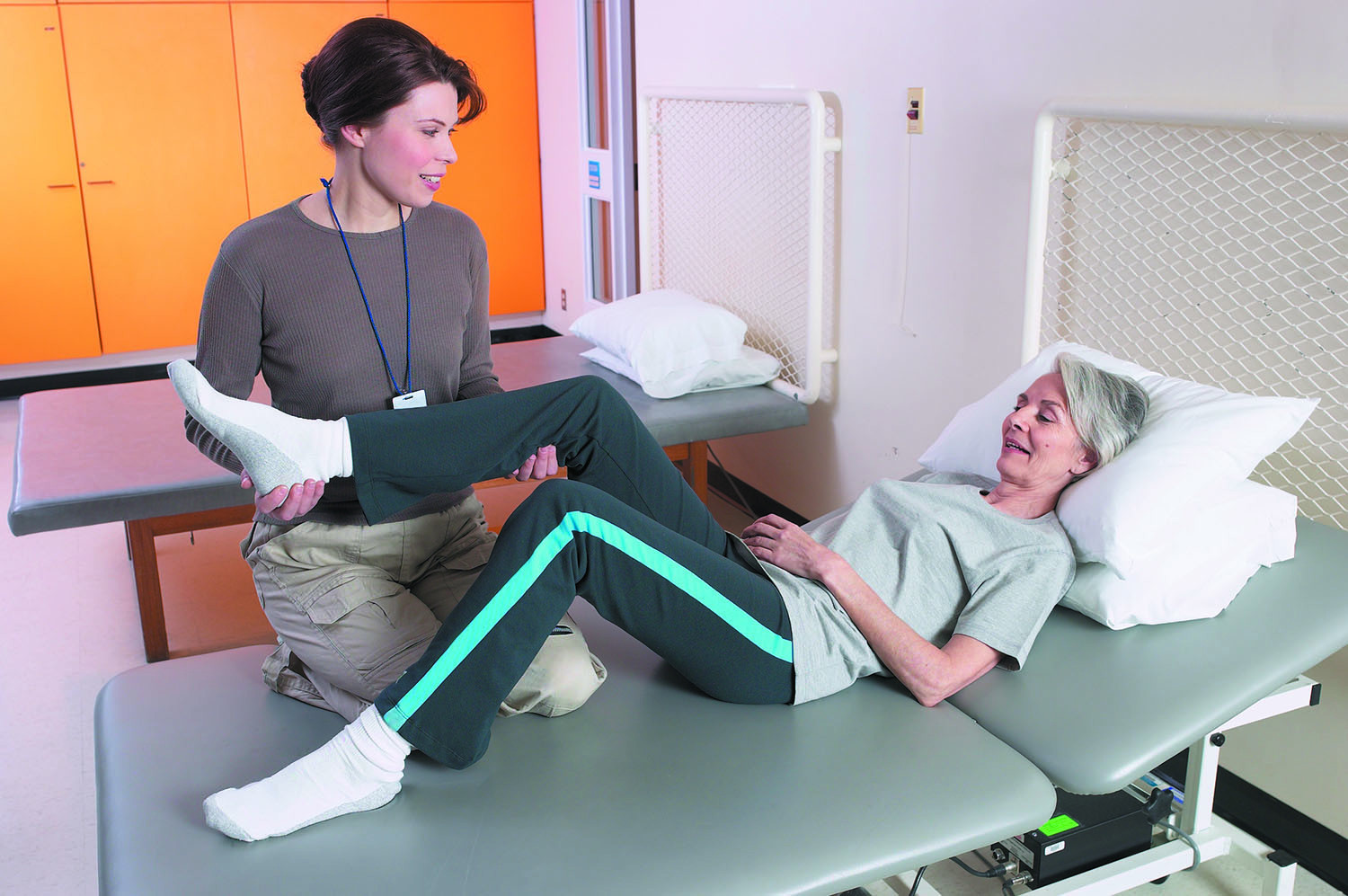
Exercising arthritis pain away
Physical therapy may be an effective alternative to surgery in relieving joint and back pain.
Image: © Hemera Technologies/Thinkstock
Exercising may be the last thing you want to do when you have a sore knee or aching back, but it might be the first thing you should do. Physical therapy has long been recommended following surgery. But for some, trying physical therapy before opting for surgery may be the better choice.
"You may be able to spare yourself the expense, pain, and recovery time of surgery," says physical therapist Karen Weber, clinical supervisor at Harvard-affiliated Spaulding Rehabilitation Outpatient Centers in Braintree and Quincy, Mass.
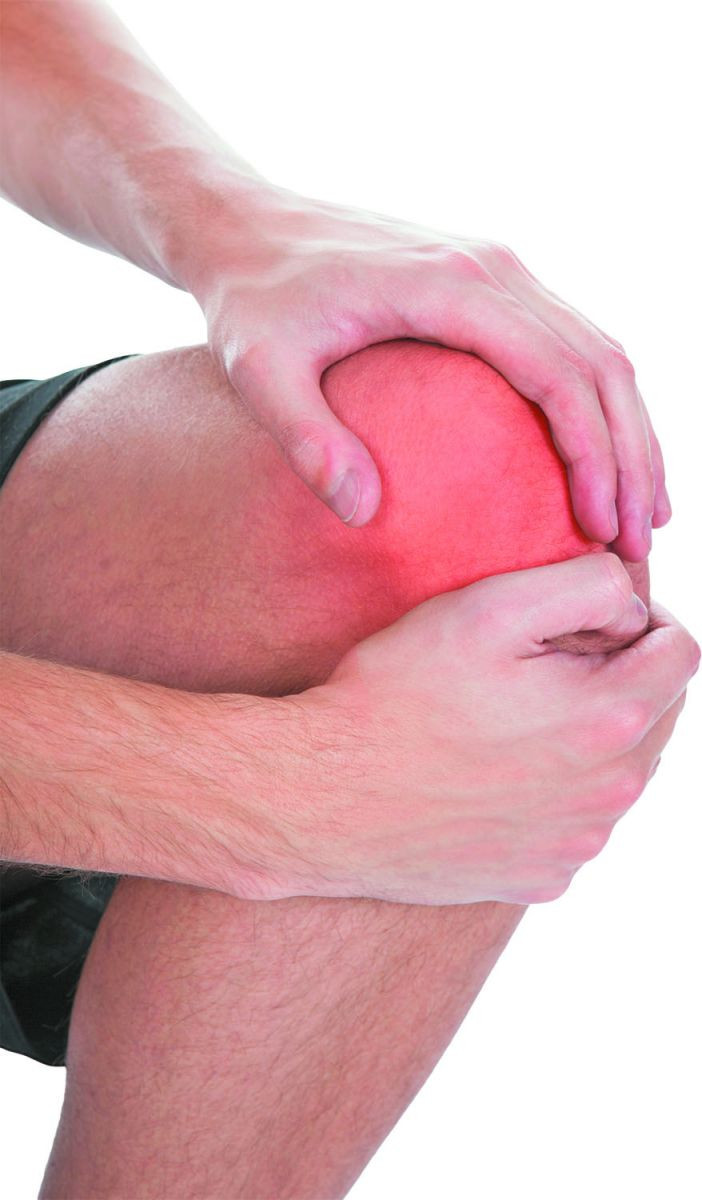
Steroid injections do little for long-term knee osteoarthritis pain
In the journals
Corticosteroid injections are used to ease short-term knee osteoarthritis pain, but a new study in the May 16, 2017, Journal of the American Medical Association suggests the treatment may not help in the long term.
Researchers recruited two groups of 70 people, average age 58, with knee osteoarthritis. One group received 40 milligrams of the steroid triamcinolone (Kenacort, Kenalog, Artistocort) every three months for two years, while the other group got placebo injections. By the end, pain scores — measured on a scale from zero for no pain to 20 for extreme pain — had dropped by only 1.2 points among the steroid group, while the placebo group's score dropped by 1.9 points, neither of which was clinically significant.

Two keys to strong bones: Calcium and Vitamin D
Image: memoriesarecaptured/Thinkstock
Although bone-weakening osteoporosis is quite common among older people, it isn't an inevitable part of aging. There's a lot you can do to shield your bones from this disease.
The best insurance against osteoporosis is building the highest bone density possible by your 30s and minimizing bone loss after that. But if you you're already in midlife or beyond, there is still much you can do to preserve the bone you have and perhaps even to replace lost bone. Daily weight-bearing exercise, like walking, is the best medicine. Getting enough calcium and vitamin D are two other critical strategies for keeping bones strong.
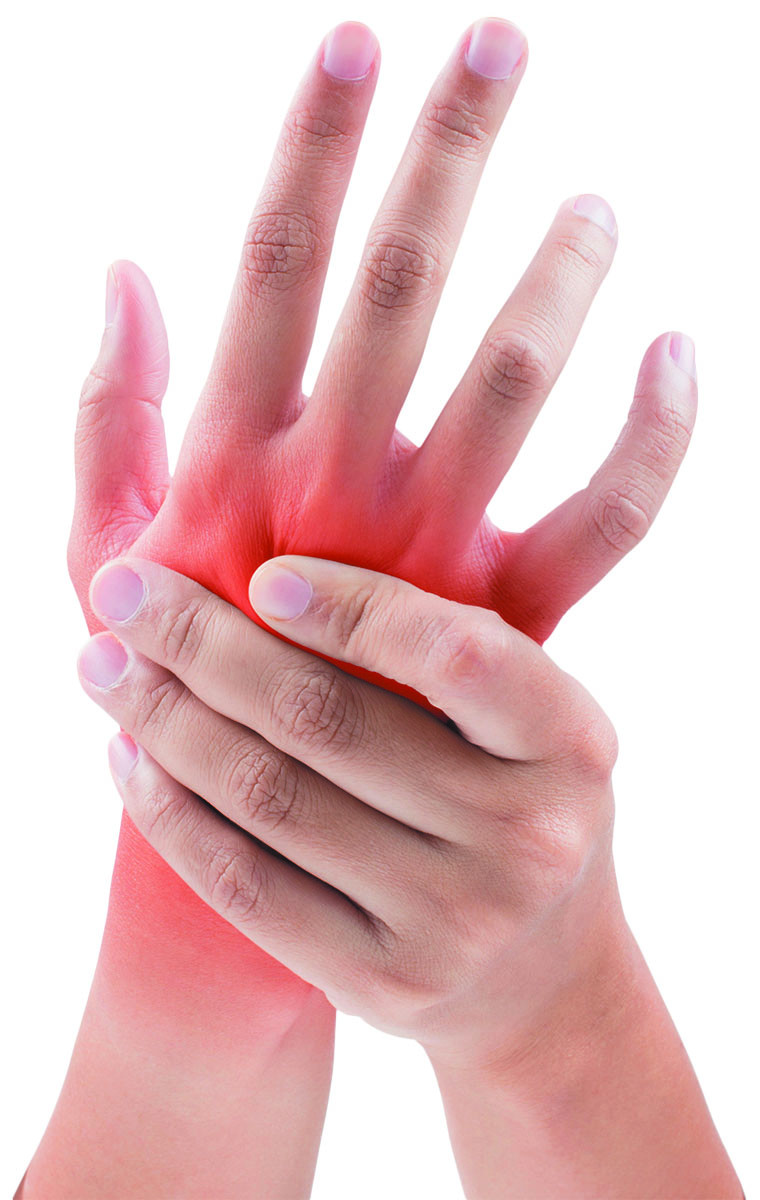
Best ways to cope with hand pain
Aches or numbness may keep you from doing the things you love. Find out what's behind your pain, and do something about it.
Hand pain becomes common as we get older. Tingling and numbness, aching or locking joints, and difficulty grasping objects are frequent complaints. But don't make your own diagnosis and suffer in silence. "It's difficult to discern between different types of hand pain. Some have overlapping symptoms," says Dr. Sang-Gil Lee, a hand surgeon at Harvard-affiliated Massachusetts General Hospital.
Dr. Lee advises that you seek treatment as soon as possible for persistent hand pain, before it gets so advanced that it's tough to use your hands for even the simplest jobs, like brushing your teeth or buttoning a shirt.
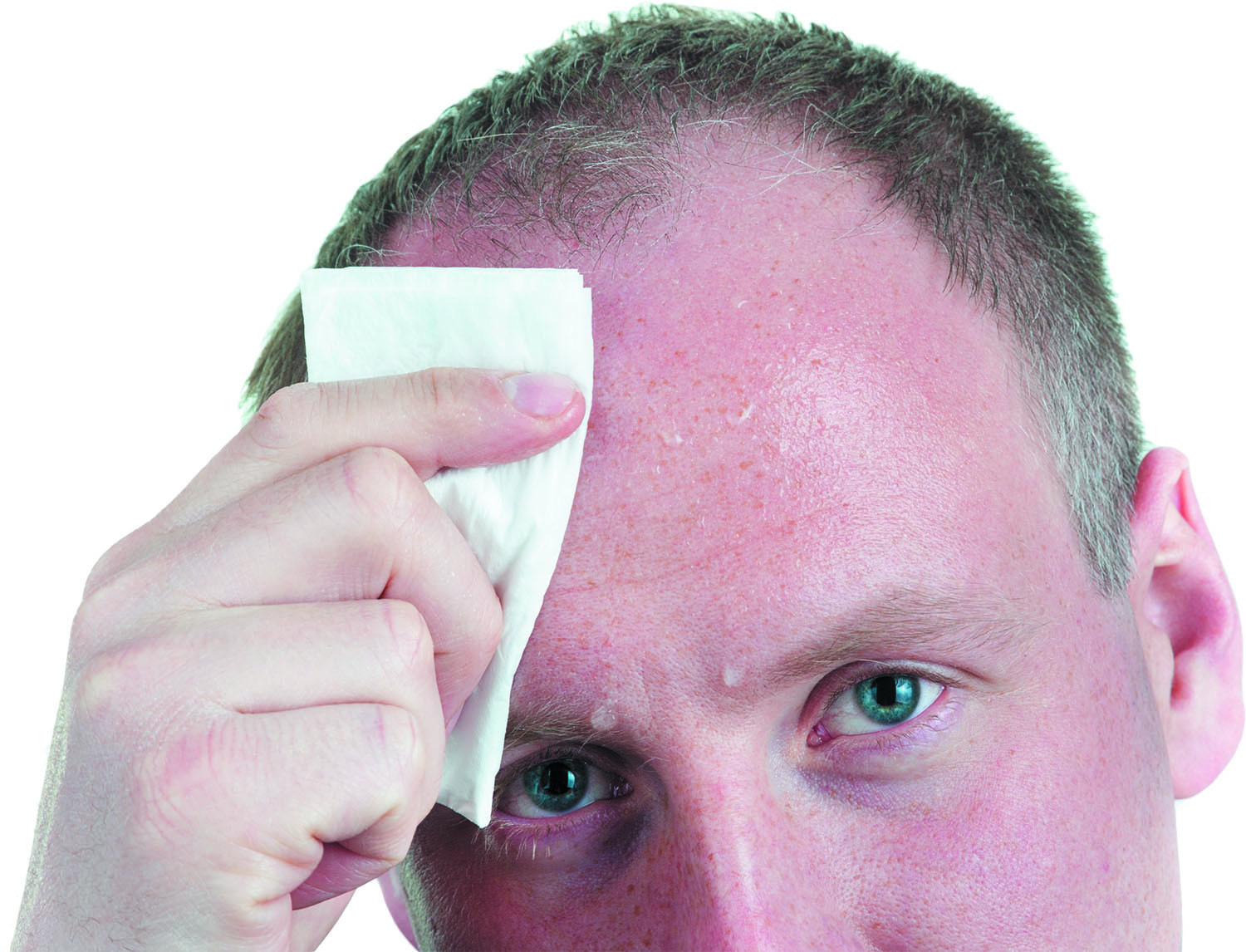
When is heavy sweating a problem?
On call
Image: © EunikaSopotnicka/Thinkstock
Q. I've noticed recently that I sweat excessively, regardless of the temperature. Should I be concerned?
A. Your genes can determine whether you sweat a lot, but a sudden change in your regular sweating may suggest an underlying condition. Sweating is regulated by your nervous system and can be triggered by a number of causes. The primary signal for perspiration originates in the brain in response to a temperature-related or emotional cue, and then is carried by the autonomic nervous system to the sweat glands in the skin.
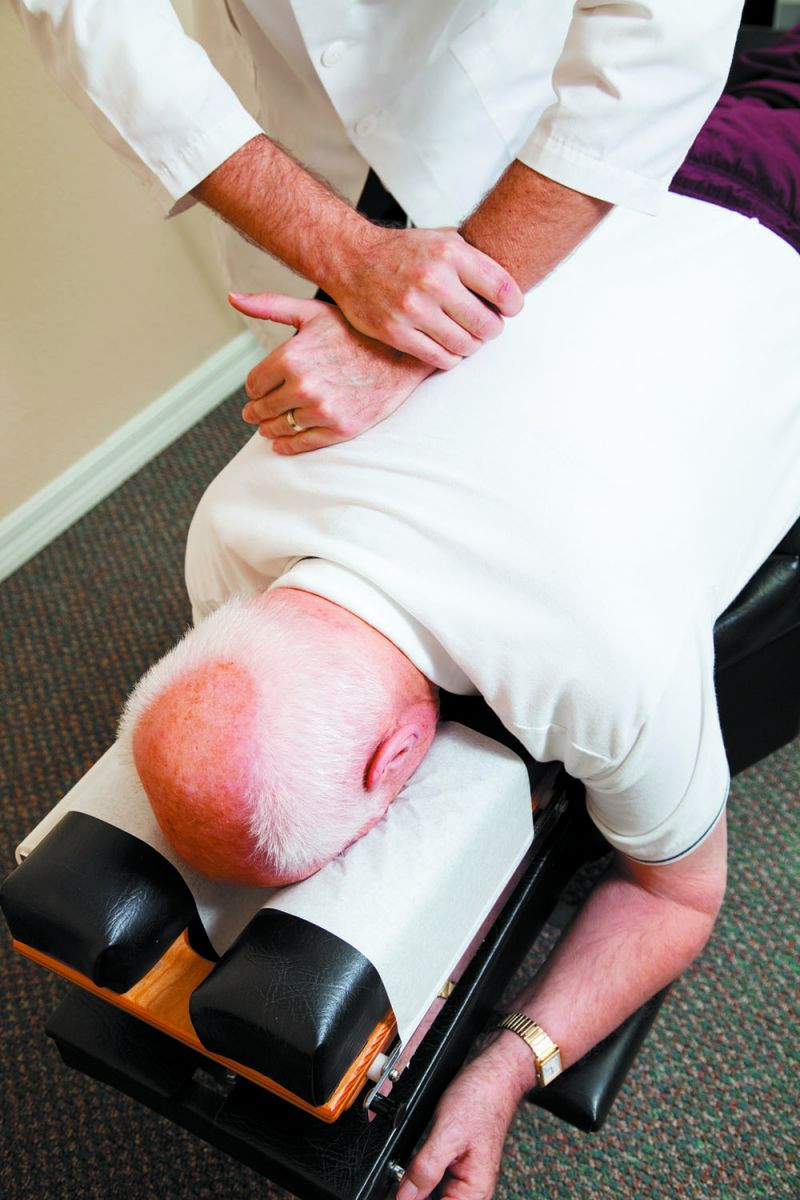
Turning your back on back surgery
Men considering surgery for back pain relief may benefit from more conventional treatment methods.
Back pain remains one of the top reasons people seek medical care for pain. For many older men, the source of their pain is spinal osteoarthritis.
Finding relief is an ongoing struggle, but men should think hard before turning to surgery without first trying less invasive treatments. "No one ever goes from initial back pain to needing surgery, unless the pain is due to something like cancer or an infection," says Dr. Steven Atlas, an internist with Harvard-affiliated Massachusetts General Hospital. "You can't fix arthritis. Surgery may help control the pain in some cases, so you can function better, but it won't cure your pain — no matter what doctors may promise."


Do I need to worry about floaters
A Harvard Medical School doctor answers a common eyesight question
Q: Recently, I started to notice tiny threadlike shapes in my field of vision. My doctor says they are "floaters." Should I be concerned?
A: "Floaters" is a catchall term for what look like dots, threads, or cobwebs drifting across your line of vision.
CoQ10: Should you take this popular supplement if you're on a statin?
Oat vs. dairy milk: Nutrition, benefits, and downsides
Microplastics: A hidden health threat?
Healing after food poisoning
What is tempeh? Benefits, nutrition, and how to use it
Light exposure at night may raise risk for heart disease
Whole grains may improve several heart risk factors at once
A lumbar belt may help ease low back pain
Children of centenarians may stay healthier and live longer too, study finds
Signs of pneumonia: Sometimes vague and unexpected
Free Healthbeat Signup
Get the latest in health news delivered to your inbox!
Sign Up
