

CoQ10: Should you take this popular supplement if you're on a statin?

Oat vs. dairy milk: Nutrition, benefits, and downsides

Microplastics: A hidden health threat?

Healing after food poisoning

What is tempeh? Benefits, nutrition, and how to use it

Light exposure at night may raise risk for heart disease

Whole grains may improve several heart risk factors at once

A lumbar belt may help ease low back pain

Children of centenarians may stay healthier and live longer too, study finds

Signs of pneumonia: Sometimes vague and unexpected
Osteoporosis Archive
Articles

New thinking about urinary tract infections
Don't be surprised if your doctor doesn't rush you into treatment.
Image: © iStock
Urinary tract infections (UTIs) can be tricky in older age. They're not always as easy to spot or treat as in youth. And the decades-long approach to treatment is changing. "We've been hasty in using antibiotics, and we're learning there are significant consequences that can range from side effects of medication to infections with antibiotic-resistant bacteria," says Dr. Helen Chen, a geriatrician at Harvard-affiliated Hebrew Rehabilitation Center.
About UTIs
UTIs can occur anywhere in the urinary tract. The most common places are the bladder (where urine is stored) and the urethra (the tube through which you urinate). Less common, but more serious, is infection of the kidneys, which filter waste and extra water from the blood and make urine. Infections may be triggered by sexual activity, catheters, kidney stones, decreased estrogen in the lining of the vagina, or urine that's pooled in the bladder.

Harvard researchers link diverticulitis to red meat
News briefs
Red meat is associated with an increased risk for developing cardiovascular disease, diabetes, and some types of cancer. Now, a study published online Jan. 9, 2017, by the journal Gut suggests that eating red meat is associated with an increased risk for developing diverticulitis. This occurs when tiny pouches in the wall of the large intestine become inflamed, potentially causing cramps, diarrhea, constipation, and even rectal bleeding. We don't really know what causes diverticulitis, so researchers explored possible dietary links. They analyzed health and diet information reported by more than 46,000 men (ages 40 to 75) over 26 years. Men who ate the most red meat per week (about 13 servings) were 58% more likely to develop diverticulitis during the study period, compared with men who ate the least red meat per week (1.2 servings). The association was strongest for unprocessed red meat like steak. However, the risk for developing diverticulitis was 20% lower when people in the study substituted poultry or fish for a serving of unprocessed red meat each day. The findings don't prove that red meat causes diverticulitis, but other studies have suggested red meat may be a factor in diverticular disease.
Anti-inflammatory diet could reduce risk of bone loss in women
Research we're watching
Because several studies have connected inflammation to bone loss and fractures, researchers from Ohio State University wondered if dietary choices that contribute to inflammation are also related to declines in bone density.
The team looked at the diets of 160,191 postmenopausal women enrolled in the Women's Health Initiative and assigned each of them a dietary inflammation score based on 32 foods the women reported consuming in the three months prior to their enrollment. All the women completed dietary questionnaires and had scans to measure bone density at the beginning of the study and three and six years later.
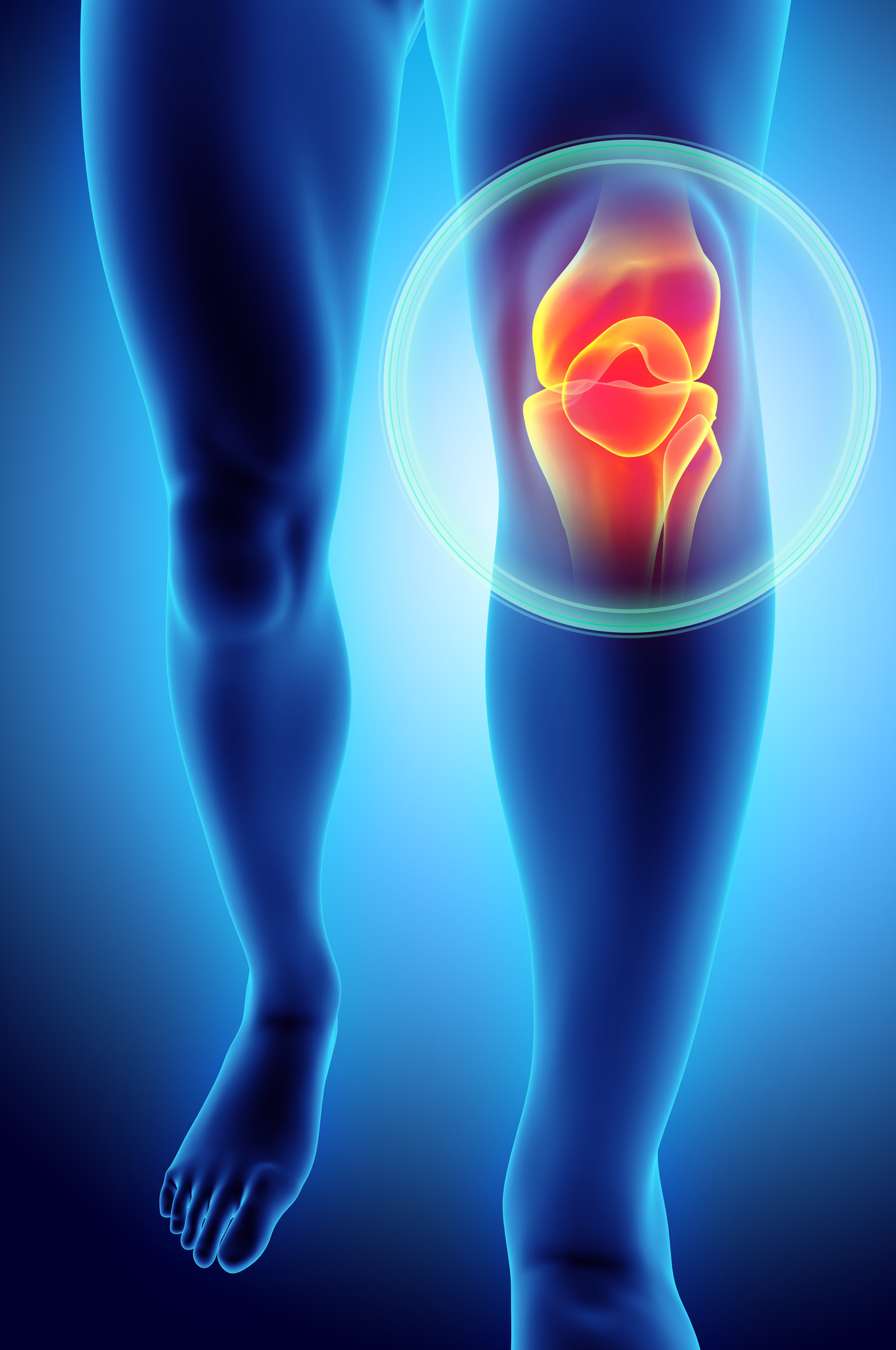
Can you virtually improve your knee pain?
A study of people with osteoarthritis of the knee found that at the end of the study period, those participants who received more personalized attention via the web (including physical therapy sessions and information about pain management) had less pain and better movement function.

Emergencies and First Aid - Removing a Speck From the Eye
Removing a Speck From the Eye
Occasionally, an eyelash or speck of dirt gets into the eye and causes irritation. If tears that form do not wash out the object, it can sometimes be removed by pulling the upper eyelid down over the lower eyelid. The lashes of the lower eyelid may brush out any foreign object that is caught under the upper lid.
If this does not work, try either of the procedures described below.
Ask the doctor: Why would I need Prolia?
Denosumab (Prolia) is recommended for people at high risk for fractures for whom other bone-loss treatments were ineffective or had intolerable side effects.

Ask the doctor: Do artificial sweeteners cause insulin resistance?
In preliminary research, sucralose and acesulfame potassium increased insulin levels, although more studies are necessary to determine whether they—or other artificial sweeteners—increase the risk of insulin resistance.
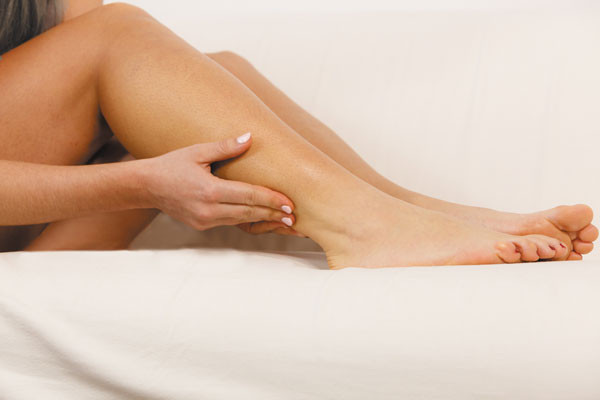
Is there hope for leg cramp sufferers?
Despite the lack of a universally recognized therapy for nighttime leg cramps, a few approaches may be worth trying.
Image: Monkey Business Images/Thinkstock
Few things are more jarring to a night's sleep than shooting calf pains. If you have nocturnal leg cramps, you have lots of company. Although they can strike people at any time of life, they become more common with age. Among people over 60, almost half report having leg cramps, a third say they are awakened by cramps at night, and 15% report weekly episodes.
What causes leg cramps?
Preventing cramps
There are no FDA-approved medications for leg cramps, and the U.S. Preventive Services Task Force hasn't issued guidelines for treating them. However, the American Academy of Neurology (AAN) has issued the following advice on common therapies, based on scientific evidence of effectiveness.
Stretching exercises. The AAN says that there are not enough data to say for sure that stretching helps reduce the frequency of muscle cramps. That doesn't mean that the exercises are ineffective or harmful, and doing them can help contribute to the flexibility of your legs.
Quinine. There is solid evidence that quinine and quinine derivatives are effective in reducing the frequency of muscle cramps, although the magnitude of benefit is small. However, quinine is out-of-bounds for most people. The FDA has issued repeated warnings against using quinine (which is approved only to treat certain types of malaria) to prevent or treat leg cramps because it may cause serious side effects, including bleeding and kidney damage. Although doctors can still prescribe quinine, it is recommended only when cramps are disabling and when the person can be carefully monitored for side effects.
Vitamin B complex. There is some evidence that taking a daily capsule containing eight B vitamins—B1 (thiamine), B2 (riboflavin), B3 (niacin), B5 (pantothenic acid), B6, B7 (biotin), B9 (folate), and B12—may prevent cramps.
Calcium-channel blockers. Evidence indicates that one calcium-channel blocker—diltiazem (Cardizem, Dilacor XR)—is possibly effective.
Ineffective therapies. The AAN found enough evidence to indicate that magnesium supplements and gabapentin (Neurontin) aren't likely to help.
Other remediesIn situations like nighttime leg cramps, where there are no widely accepted treatments, unproven remedies may be worth a try. The following are low-risk and have enthusiastic proponents.
|
Incontinence may reflect body fat, not just weight
The risk of developing stress incontinence or urge incontinence increases along with BMI and body fat percentage. Stress incontinence is also associated with declines in grip strength.

Ask the doctor: Does psoriasis raise diabetes risk?
Some experts feel there is evidence that probiotics may help prevent or treat several conditions, such as inflammatory bowel diseases, travelers’ diarrhea, irritable bowel syndrome, and some allergies (particularly eczema).
CoQ10: Should you take this popular supplement if you're on a statin?
Oat vs. dairy milk: Nutrition, benefits, and downsides
Microplastics: A hidden health threat?
Healing after food poisoning
What is tempeh? Benefits, nutrition, and how to use it
Light exposure at night may raise risk for heart disease
Whole grains may improve several heart risk factors at once
A lumbar belt may help ease low back pain
Children of centenarians may stay healthier and live longer too, study finds
Signs of pneumonia: Sometimes vague and unexpected
Free Healthbeat Signup
Get the latest in health news delivered to your inbox!
Sign Up
