

Whole grains may improve several heart risk factors at once

Light exposure at night may raise risk for heart disease

Children of centenarians may stay healthier and live longer too, study finds

A lumbar belt may help ease low back pain

Signs of pneumonia: Sometimes vague and unexpected

Using a vibration plate: What it can — and can't — do for your body

The surprising link between ovarian cancer and the fallopian tubes

People who walk more or walk faster live longer, study finds

Rosacea treatments: What works?

For sleep apnea, a dental device may be as effective as CPAP
Menopause and perimenopause Archive
Articles
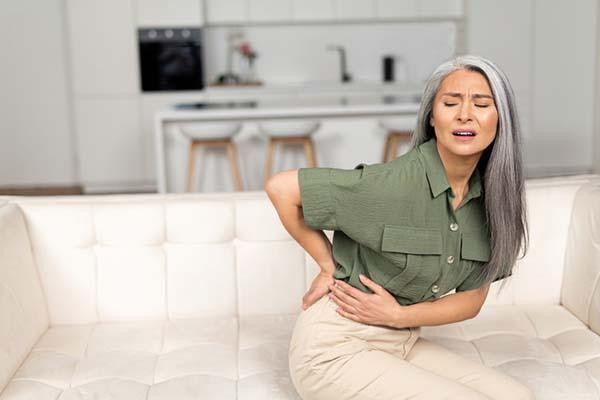
The overlap between back pain and pelvic floor dysfunction
Pelvic floor dysfunction in women is commonly linked to lower back pain. The odds of developing pelvic floor-related back pain increase for women as they get older due to factors such as diminished estrogen and childbirth-related pelvic floor damage. Lower back pain and pelvic floor dysfunction may also have overlapping signs, including urinary leakage or urgency, a feeling of heaviness in the pelvis or vaginal bulging, constipation or bowel issues, painful sex or urination, and pain with prolonged sitting or standing.

Does having a family history of gynecologic cancer automatically mean you should get genetic testing?
A family history of gynecologic cancer doesn’t necessarily mean a woman automatically needs genetic testing to determine her risk. However, women should discuss testing if close relatives have had gynecologic or breast cancers, or if several more-distant relatives have been affected.
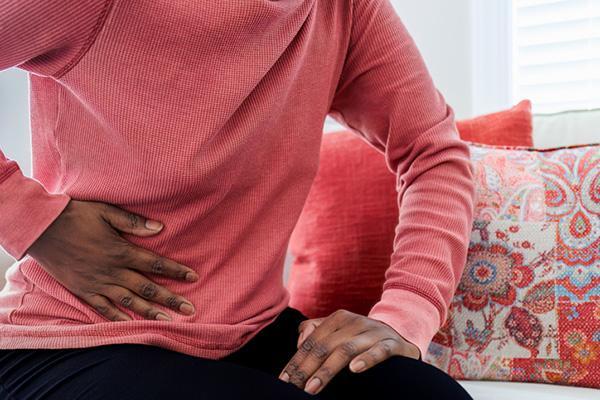
When pelvic pain signals pelvic congestion syndrome
Pelvic congestion syndrome, which is marked by dull, heavy, dragging pelvic pain, has long been an underrecognized cause of chronic pelvic pain. The condition is caused by loose or faulty valves in pelvic veins that enable blood to flow backward and pool, creating varicose veins.
Can estrogen cream help with vaginal atrophy?
Vaginal dryness and discomfort can affect intimacy and daily life. See which options may ease symptoms linked to changing estrogen levels.
Will fibroid bleeding ease after menopause?
Fibroids can change as hormone levels shift, but bleeding patterns and new symptoms after menopause still deserve careful medical attention.
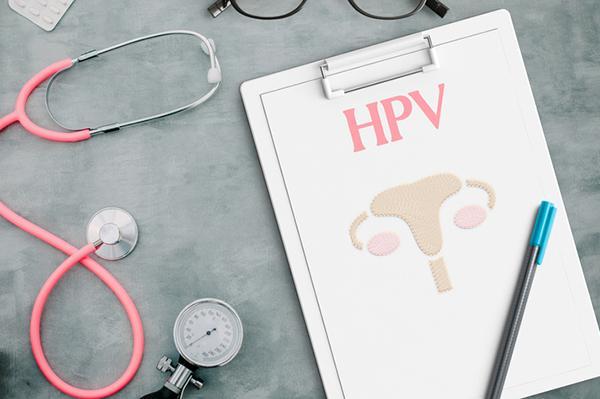
HPV testing at home: A new option for women
In January 2026, the U.S. Department of Health and Human Services issued cervical cancer screening guidelines that, for the first time, include an option for women to perform an at-home human papillomavirus (HPV) test. HPV causes about 95% of cervical cancers.
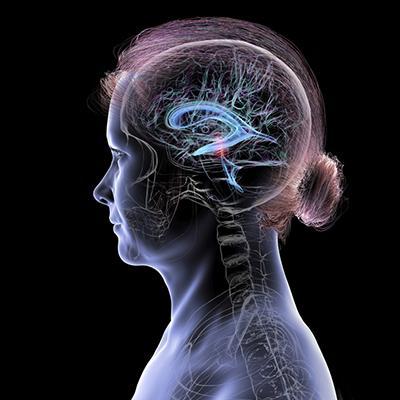
From periods to menopause: How estrogen levels throughout life affect women's brain health
Women’s reproductive history, including first period, pregnancy, and menopause, influences their lifetime exposure to estrogen, which appears to shape brain aging and dementia risk. Menopause is believed to be the strongest reproductive factor, with later menopause tied to lower dementia risk.
Should you have a hysterectomy?
Each year, about 600,000 American women undergo hysterectomy—surgery to remove the uterus and sometimes other reproductive organs as well—most often to alleviate symptoms rather than to save lives. Women opt for hysterectomy for conditions such as excessive uterine bleeding, pelvic pain, and fibroids.

Estrogen-only hormone therapy tied to lower dementia risk
A 2026 study suggested that menopausal women who used estrogen-only hormone therapy were less likely than women who didn’t use hormone therapy to develop Alzheimer’s-related brain changes or be diagnosed with dementia.

When do I need to stop using hormone therapy?
While starting hormone therapy to curb menopause symptoms is considered safest before age 60 and within 10 years of menopause, there’s no defined age at which women need to stop using it. Various factors should be considered when deciding whether to continue, including age, overall health, and medical history.
Whole grains may improve several heart risk factors at once
Light exposure at night may raise risk for heart disease
Children of centenarians may stay healthier and live longer too, study finds
A lumbar belt may help ease low back pain
Signs of pneumonia: Sometimes vague and unexpected
Using a vibration plate: What it can — and can't — do for your body
The surprising link between ovarian cancer and the fallopian tubes
People who walk more or walk faster live longer, study finds
Rosacea treatments: What works?
For sleep apnea, a dental device may be as effective as CPAP
Free Healthbeat Signup
Get the latest in health news delivered to your inbox!
Sign Up
