

People who walk more or walk faster live longer, study finds

For sleep apnea, a dental device may be as effective as CPAP

Rosacea treatments: What works?

Carb cycling: What is it, and does it work?

Understanding orthorexia: Have your healthy eating goals gone too far?

Salmonella, E. coli, Cyclospora, and other germs that cause food poisoning: What you need to know

Melatonin or magnesium: Can either supplement help you sleep?

Naturally gluten-free foods

Shingrix shingles vaccine linked with lower heart disease risks

Harvard study: Healthier fats linked to longer life after prostate cancer diagnosis
Medications and treatments Archive
Articles

Sensing abnormal heart rhythms with a smart speaker?

Alternatives to warfarin may be safer, more effective for afib

Treating sleep apnea: Good for your heart and mind?

Diastolic blood pressure: Worth a second look?

Common questions about medical cannabis

American Heart Association issues statement on cardiovascular side effects from hormonal therapy for prostate cancer

What's causing the ringing sound in my ear?
A ringing sound in one or both ears is usually a form of an annoying condition called tinnitus. When tinnitus persists, treatment such as cognitive behavioral therapy, tinnitus retraining therapy or biofeedback, can ease symptoms.

Implanted heart device? Beware of newer smartphones and wearables
Research we're watching
People who have an implantable cardioverter-defibrillator (ICD) or pacemaker should avoid the iPhone 12 as well as wearable tech products — such as the Fitbit and Apple Watch — that use magnetic chargers. The magnets in these gadgets can interfere with implanted cardiac devices, possibly rendering them useless, say two recent reports.
A 55-year-old woman wearing an Apple Watch while sleeping was awakened by several beeps from her ICD. A next-day check showed the watch's magnet had deactivated her device, as noted Dec. 12, 2020, in HeartRhythm Case Reports. In the Jan. 4, 2021 HeartRhythm, doctors described how bringing an iPhone 12 near the chest of a person with an ICD immediately disabled the device.
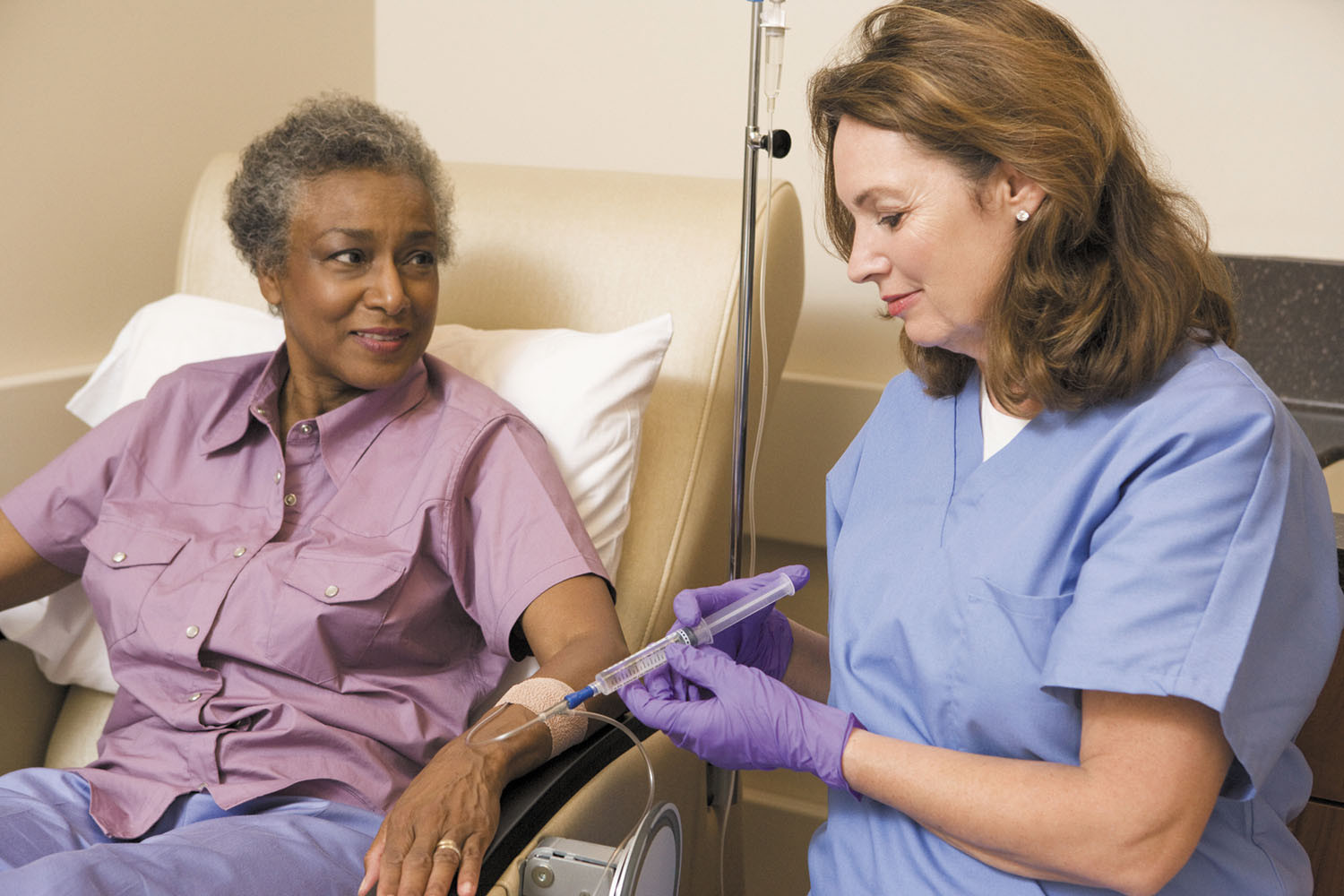
Cancer survivors: A higher risk of heart problems?
If you're among the nearly 17 million adults in this country who's had cancer, pay extra attention to your heart health.
Thanks to advances in early detection and treatment, people with cancer are living far longer than in past decades. But cancer survivors should be aware that cancer and its treatments can compromise cardiovascular health, according to a recent study from the CDC.
Researchers studied more than 840,000 adults, including about 69,000 cancer survivors, to see how much cancer "ages" the heart. They found that adult men treated for cancer had hearts that appeared to be 8.5 years older than their actual age, while the hearts of women who survived cancer appeared to be 6.5 years older.

Harvard finding: Aspirin tied to reduced colorectal cancer risk
News briefs
Regular aspirin use is associated with a reduced risk for developing colorectal cancer in older age — but you won't get the benefit if you start the therapy too late in life, according to a Harvard study published online Jan. 21, 2021, by JAMA Oncology. Researchers combined the results of two large studies involving a total of more than 94,000 people who answered health questionnaires regularly and were followed for three decades. Compared with people who didn't take aspirin, people ages 70 or older who took either 325 milligrams (mg) or 81 mg of aspirin at least twice per week had a 20% lower risk for developing colorectal cancer — but only if they had started the therapy by age 65. Starting aspirin therapy at or after age 70 was not associated with significant protection against colorectal cancer. The study was observational and does not prove whether aspirin can or cannot ward off colorectal cancer. But other observational studies have also shown an association between aspirin use and lower colorectal cancer risk. Like any medicine, aspirin isn't risk-free: regular use increases the risk for gastrointestinal bleeding. If you happen to be taking aspirin regularly for other reasons, this might be an added benefit.
Image: © Jupiterimages/Getty Images
People who walk more or walk faster live longer, study finds
For sleep apnea, a dental device may be as effective as CPAP
Rosacea treatments: What works?
Carb cycling: What is it, and does it work?
Understanding orthorexia: Have your healthy eating goals gone too far?
Salmonella, E. coli, Cyclospora, and other germs that cause food poisoning: What you need to know
Melatonin or magnesium: Can either supplement help you sleep?
Naturally gluten-free foods
Shingrix shingles vaccine linked with lower heart disease risks
Harvard study: Healthier fats linked to longer life after prostate cancer diagnosis
Free Healthbeat Signup
Get the latest in health news delivered to your inbox!
Sign Up
