

People who walk more or walk faster live longer, study finds

For sleep apnea, a dental device may be as effective as CPAP

Rosacea treatments: What works?

Carb cycling: What is it, and does it work?

Understanding orthorexia: Have your healthy eating goals gone too far?

Salmonella, E. coli, Cyclospora, and other germs that cause food poisoning: What you need to know

Melatonin or magnesium: Can either supplement help you sleep?

Naturally gluten-free foods

Shingrix shingles vaccine linked with lower heart disease risks

Harvard study: Healthier fats linked to longer life after prostate cancer diagnosis
Medications and treatments Archive
Articles

Study finds similar outcomes for two different weight-loss procedures

Take a deep breath before adopting new asthma guidelines
News briefs
Hold off before you follow new recommendations to treat mild, persistent asthma — or at least consult your doctor first. The updated guidelines from the National Institutes of Health, published online in the December 2020 issue of The Journal of Allergy and Clinical Immunology, say it's okay for people with mild, persistent asthma to stop daily use of inhaled corticosteroids and instead use them only as needed, along with short-acting beta agonists ("rescue" medications). That's considered a major shift in guidance. But that may not be a good idea for some older adults, notes Dr. Anna Wolfson, an allergist and immunologist at Harvard-affiliated Massachusetts General Hospital. "A lot of people have a harder time with the occasional use of medications than a routine practice of daily use," she says. "And you may not want to decrease your asthma regimen during the pandemic. Poorly controlled asthma could lead to a flare or an ER visit, and perhaps an increased risk for complications if you develop COVID-19." Dr. Wolfson says there are some people who might benefit from using inhaled corticosteroids only as needed, but she urges you to speak with your doctor before changing your medication regimen.
Image: Branimir/Getty Images

Understanding "blood thinners"
These drugs actually help stop dangerous blood clots from forming. Here's when you may need them.
Nearly everyone has heard of "blood thinners." Maybe you or someone you know takes one. But these drugs don't "thin" blood at all.
"They are actually anti-clotting drugs," says Dr. Gregory Piazza, a cardiologist with Harvard-affiliated Brigham and Women's Hospital. "They prevent potentially dangerous blood clots from developing in people at high risk, like those who have atrial fibrillation or a stent in a blood vessel, or who are immobile after surgery."

Can a tracker or smartphone app help you move more?
News briefs
Wearable activity or fitness trackers and smartphone apps are helpful for goal setting and measuring how many steps you take or how much time you spend exercising. But do they motivate you to become more active? Probably a little, finds a review of randomized controlled trials published online Dec. 21, 2020, by the British Journal of Sports Medicine. Researchers combed through 28 studies that included a total of more than 7,400 adults (ages 18 to 65) who used fitness trackers or apps for an average of three months. Compared with people who did not use the devices, people who did increased their activity by 1,850 steps per day. Apps and trackers that included prompts and cues to stay active appeared to be most effective. If your smartphone doesn't already have a built-in basic fitness tracker that counts your steps and calories burned, you can find an app that does. Some are free. Fancy tracking devices, with all the bells and whistles, including heart rate monitors and cellphone capability, cost as much as $1,300. But even the simplest ones help remind you to move.
Image: © azy_Bear/Getty Images
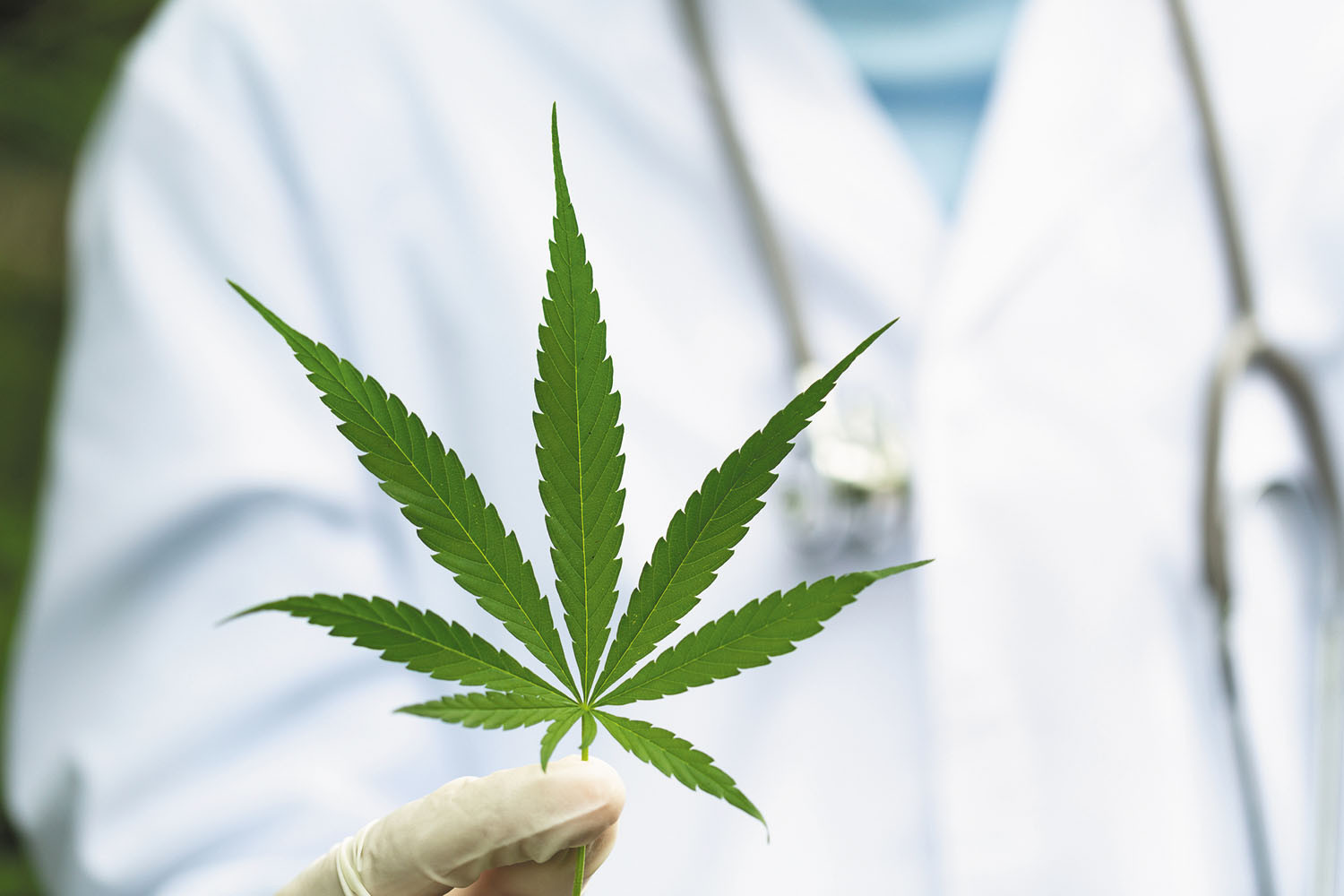
The highs and lows of medical cannabis
It's more accessible than ever before, but is it the right medicine for you?
Medical marijuana — also referred to as medical cannabis — has enjoyed a boom in recent years. More states have legalized it, more products are available, and more people have turned to it for help, especially older adults.
A study in the April 2020 JAMA Internal Medicine found that the number of adults ages 65 and older using medical cannabis increased from 2.4% to 4.2% between 2015 and 2018.

Affairs of the heart
Cardiovascular problems can conspire to put a damper on sexual enjoyment. Talking to your doctor and your partner can help.
A physical connection with your romantic partner is often an important part of a fulfilling relationship. But when it comes to matters of the heart, the health of your heart matters.
"A satisfying sex life depends on physical health, psychological well-being, and the quality of the relationship," says Dr. Jan Shifren, who directs the Massachusetts General Hospital Midlife Women's Health Center. Heart disease and related conditions can influence all three of those factors in both men and women. Here's a look at the range of those effects and some possible solutions.

Fears about statin side effects: Often unfounded?
A novel study suggests that the "nocebo effect" could be why some people believe they cannot tolerate statins.
Are you hesitant to fill your statin prescription because you're worried the drug will cause muscle aches and other side effects? Although you're far from alone (see "A royal pain?"), the reality is that all drugs have side effects, and statins aren't worse than other drugs. And fears about statin side effects may be depriving people of a potentially lifesaving medication.
The nocebo effect — the flip side of the well-known placebo effect — occurs when people experience negative effects from a drug, placebo, or other treatment based on an expectation of harm. Because of the widespread belief that statins cause muscle aches, statins have been suspected of triggering a strong nocebo effect. A recent study confirmed this observation (see "A study to assess statin side effects").

Did my diet cause my gout?
Ask the doctors
Q. I eat a lot of shellfish and recently developed gout in my knee. Did my diet cause the condition?
A. As you probably know, gout is a painful form of arthritis that occurs when high levels of a waste product called uric acid build up in the body. It can settle into joints, where it forms sharp crystals that can trigger inflammation, redness, and pain. Your diet may have aggravated the condition, but didn't cause it.
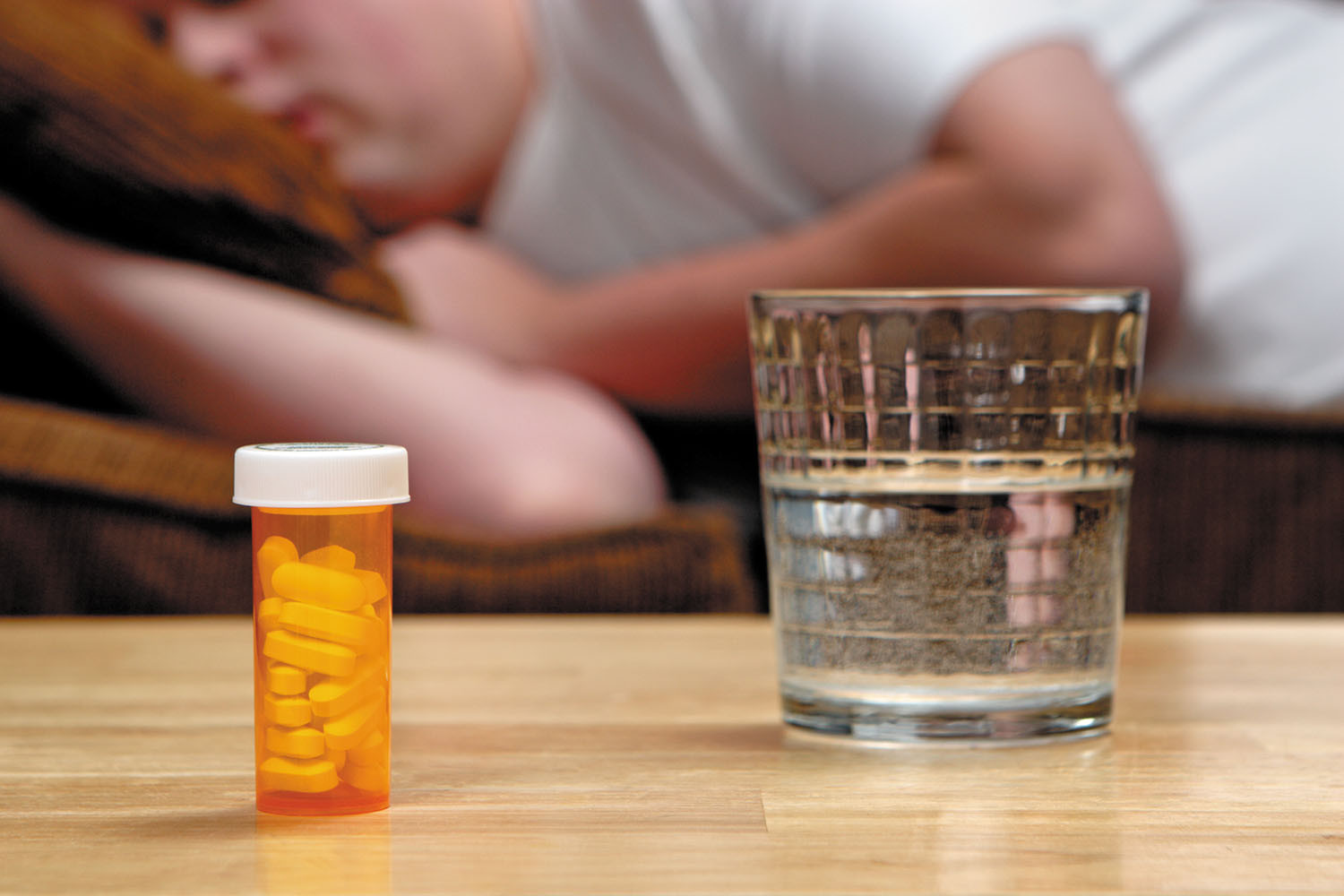
Are drugstore sleep aids safe?
Observe these caveats if you use over-the-counter drugs or dietary supplements to help you sleep.
Image: © Spauln/Getty Images
It's 2 a.m. and you can't sleep. Is it okay to take a nonprescription remedy? "They're not meant for the long term, but it may be okay for an occasional night of problems with sleep," says sleep expert Dr. Lawrence Epstein, an instructor in medicine at Harvard Medical School.
But which option should you reach for? Drugstore shelves are lined with a dizzying array of products promising a good night's sleep. They fall into two categories: nonprescription medications and dietary supplements.

Do generic drugs compromise on quality?
A new study raises questions about whether they're truly equivalent to the brand-name versions.
You've no doubt seen them in the grocery store — typically drab-looking packages on the bottom shelf containing lower-priced generic versions of popular brand-name products. Some shoppers look at them with skepticism: Are they really as good? Or does cheaper just mean lower quality?
Many people have the same questions about generic prescription medications, says Dr. Niteesh K. Choudhry, professor of medicine at Harvard Medical School and executive director of the Center for Healthcare Delivery Sciences at Brigham and Women's Hospital. Are generic drugs really the same quality, or is it better to spend more for the name-brand version?
People who walk more or walk faster live longer, study finds
For sleep apnea, a dental device may be as effective as CPAP
Rosacea treatments: What works?
Carb cycling: What is it, and does it work?
Understanding orthorexia: Have your healthy eating goals gone too far?
Salmonella, E. coli, Cyclospora, and other germs that cause food poisoning: What you need to know
Melatonin or magnesium: Can either supplement help you sleep?
Naturally gluten-free foods
Shingrix shingles vaccine linked with lower heart disease risks
Harvard study: Healthier fats linked to longer life after prostate cancer diagnosis
Free Healthbeat Signup
Get the latest in health news delivered to your inbox!
Sign Up
