

Oat vs. dairy milk: Nutrition, benefits, and downsides

Microplastics: A hidden health threat?

Healing after food poisoning

What is tempeh? Benefits, nutrition, and how to use it

Light exposure at night may raise risk for heart disease

Whole grains may improve several heart risk factors at once

A lumbar belt may help ease low back pain

Children of centenarians may stay healthier and live longer too, study finds

Signs of pneumonia: Sometimes vague and unexpected

The surprising link between ovarian cancer and the fallopian tubes
Marijuana/CBD Archive
Articles

Can allergies affect blood pressure?
Some allergy medicines and nighttime symptoms may affect blood pressure in unexpected ways. Find out what to watch for before choosing a treatment.

What happens when statins trigger rhabdomyolysis?
Rhabdomyolysis can cause intense muscle pain after statin use. See why it happens, what recovery may involve and when medical care is essential.
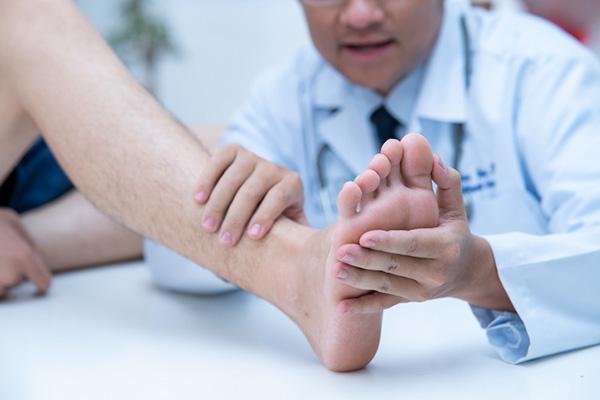
Can long-term statin use cause foot neuropathy?
Numbness or tingling in the feet can have many causes. See how statin use fits into the evaluation and what factors doctors may consider.

Is Viagra safe to take with Eliquis?
Taking Viagra with a blood thinner may involve bleeding and blood pressure concerns, especially for people with atrial fibrillation.

What can help ease orthostatic tremor?
When clonazepam doesn’t ease the unsteadiness of orthostatic tremor, other medicines may offer options to discuss with your doctor.

How can you verify pills ordered from an online pharmacy?
Pills ordered online may look different from your usual medication. Know which details to compare and when to check with a pharmacist.

Hyaluronic acid for skin: Benefits, how to use it, and side effects
Hyaluronic acid is a naturally occurring compound in our bodies that attracts and binds water. It has become a widely used ingredient in a range of skin care products, from serums and moisturizers to eye creams and sunscreens. Using products formulated with hyaluronic acid can improve the look of aging skin by helping to replenish moisture and fill in or plump fine lines.

Ashwagandha: Benefits, side effects, and safety concerns
Ashwagandha is an herbal remedy that has long been used in traditional Indian medicine. In recent years, it’s also become popular in the United States. Proponents say it can help with stress and promote better sleep. However, we have only limited scientific evidence about ashwagandha, and it may not be safe for people with certain medical conditions.

Antiviral medications for winter bugs
Several factors increase the risk for complications from COVID-19 or influenza and should prompt someone to request an antiviral medication as soon as possible, even if they have been vaccinated or have had the infections before. The risk factors are age (being 65 or older), an impaired immune system, and underlying conditions (especially heart or lung disease). Pregnant women also are at increased risk for severe influenza and COVID, and should consider taking an antiviral.

Can levothyroxine-related insomnia go away after adjusting the dose?
People on levothyroxine sometimes notice trouble sleeping, raising concerns about how long it will persist and whether dose changes could improve rest.
Oat vs. dairy milk: Nutrition, benefits, and downsides
Microplastics: A hidden health threat?
Healing after food poisoning
What is tempeh? Benefits, nutrition, and how to use it
Light exposure at night may raise risk for heart disease
Whole grains may improve several heart risk factors at once
A lumbar belt may help ease low back pain
Children of centenarians may stay healthier and live longer too, study finds
Signs of pneumonia: Sometimes vague and unexpected
The surprising link between ovarian cancer and the fallopian tubes
Free Healthbeat Signup
Get the latest in health news delivered to your inbox!
Sign Up
