

Why do I sweat so much?

Walking pneumonia: The "mild" illness that can still pack a punch

Tai chi walking: What is it and does it work?

What causes knee pain: How doctors make a diagnosis
Sacroiliac joint pain: Causes, symptoms, and exercises that help
Where you carry excess weight matters in predicting heart disease risk
Study: At-home colorectal cancer screening may significantly cut colon cancer deaths

Fatty liver disease: Should you be tested?

Even a little exercise linked with lower stroke risk in people with afib

Testosterone therapy without evidence of deficiency may boost heart risk
Libido and sexual performance Archive
Articles

Can I outwalk breast cancer?
Ask the doctors
Q. I've heard that walking could reduce my risk of breast cancer. Is this true?
A. Yes, it's true. Walking is not only a great form of exercise to help keep your heart healthy, it could potentially reduce your risk of breast cancer. One 2013 study, published in Cancer Epidemiology, Biomarkers & Prevention, found that women who walked seven hours a week — an hour a day on average — had a 14% lower chance of getting breast cancer when compared with women who walked three hours a week or less. The benefit was seen even in women who were at higher risk for breast cancer, including those who were overweight or who were taking hormone therapy. It's not clear how walking helps, but experts speculate that physical activity might help keep the body's levels of estrogen and insulin in check. Both of these hormones can fuel breast cancer, so regulating them more effectively could reduce your risk.

A new hormonal therapy for prostate cancer is under expedited FDA review
In June, the US Food and Drug Administration (FDA) launched an accelerated review of a promising new drug for advanced prostate cancer. Called relugolix, it suppresses testosterone and other hormones that speed the cancer’s growth. If approved, this new type of hormonal therapy is expected to set a new standard of care for the disease. […]

Can a daily pill lighten heavy menstrual bleeding caused by fibroids?

When lockdown is not actually safer: Intimate partner violence during COVID-19
For women living with abusive partners, the COVID-19 pandemic has made an already difficult and dangerous situation even worse. And even if a woman had been thinking about leaving an abusive situation or planning to leave, with current restrictions she may not be able to.

Breast pain: Not just a premenopausal complaint
Breast pain after menopause can come in many forms
Menopause has come and gone. Why do I still have breast pain?
In most cases, breast pain is a by-product of reproductive life: Like breast swelling, it waxes and wanes during the menstrual cycle, and it's one of the first symptoms of pregnancy. Many women expect breast pain to go away after menopause. When it doesn't, they may fear they have breast cancer. Fortunately, breast pain is rarely a symptom of cancer, regardless of age. Still, that possibility should be considered, along with a number of noncancerous conditions that affect the breasts.
What to do about pelvic organ prolapse
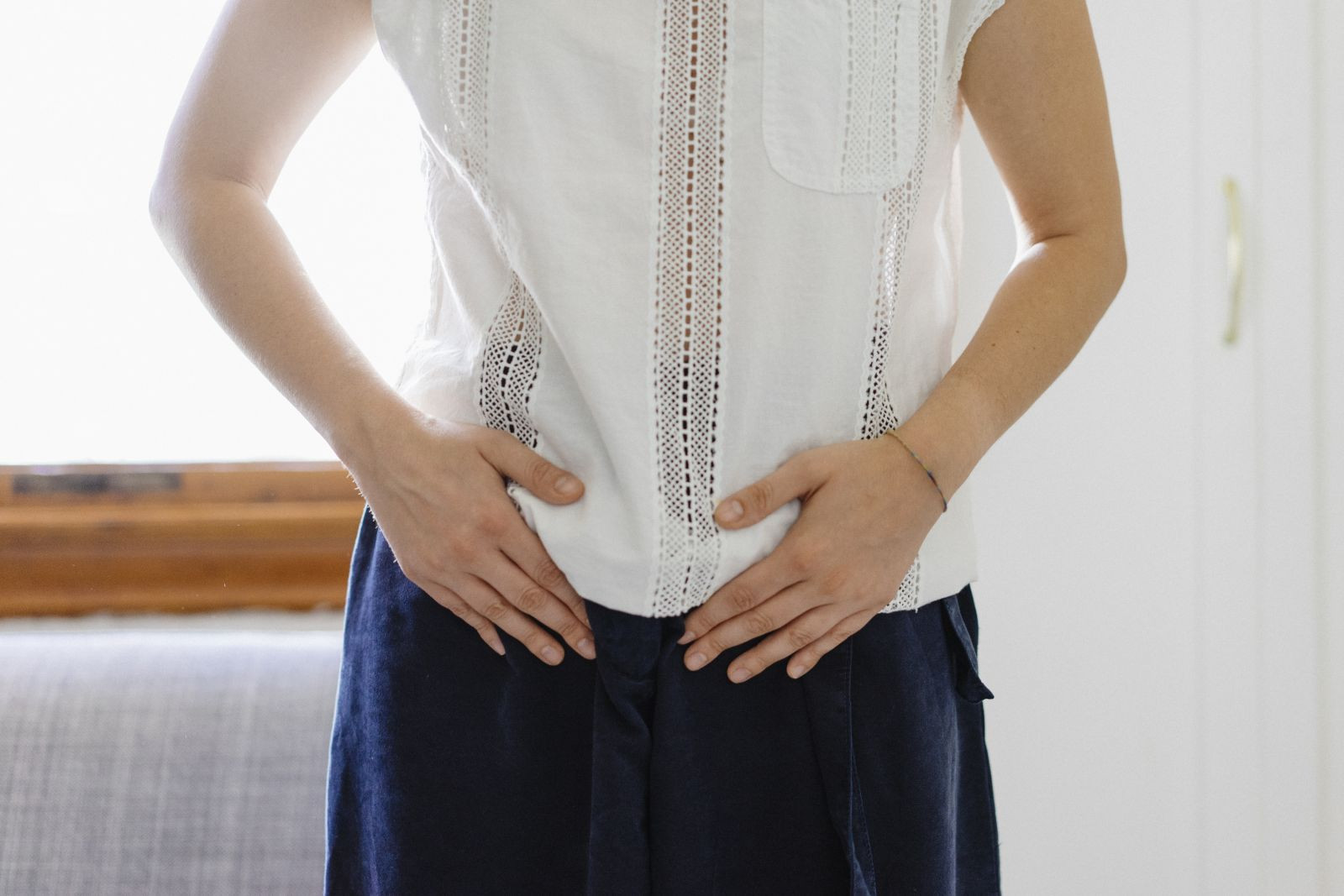
Many women are living with uncomfortable pelvic organ prolapse. Here are your next steps if you're one of them.
One of the most uncomfortable—and awkward—conditions that afflicts women is pelvic organ prolapse. Normally, the pelvic organs—the bladder, uterus, vagina, and rectum—are supported and held in place by a group of muscles and tissues called the pelvic floor. When these muscles weaken over time, the pelvic organs can droop down and bulge out of the vagina.
In addition to the sensation of feeling an uncomfortable bulge in the vagina, you can experience symptoms such as

Can a high-fiber diet reduce your risk of breast cancer?
Research we're watching
Your diet may influence your breast cancer risk. An analysis of 20 studies by researchers from the Harvard T.H. Chan School of Public Health, which was published online April 6, 2020, by the journal Cancer, found that women who ate the most fiber were 8% less likely to go on to develop breast cancer compared with the women who ate the least.
The reduction in breast cancer risk was seen for both premenopausal and postmenopausal breast cancers, as well as different types of breast cancer, including those that were estrogen and progesterone receptor–positive and estrogen and progesterone receptor–negative. Researchers from the Harvard T.H. Chan School of Public Health said that that the reduction may be due to fiber's effect in reducing both blood sugar and estrogen levels in the body.

The no-drug approach to erectile dysfunction
There are ways to manage ED without medication.
Erectile dysfunction (ED) is one of the more common health issues older men face, especially those with cardiovascular disease and diabetes. Some estimates suggest between 50% and 70% of men ages 50 to 70 experience mild to moderate ED.
ED is defined as difficulty achieving or sustaining an erection. It is often caused by a combination of physical and emotional issues. ED makes intercourse difficult, which can lower sex drive and desire, increase anxiety and depression, and affect a man's relationship with his partner.

Combining two types of biopsies helps diagnose prostate cancer
In the journals
Combining two kinds of biopsies may lead to a more accurate diagnosis of prostate cancer, suggests a study in the March 5, 2020, issue of The New England Journal of Medicine. Researchers from the National Cancer Institute enrolled 2,103 men with prostate abnormalities. Each man had a standard 12-point biopsy and an MRI-targeted biopsy.
With a 12-point biopsy, tissue samples are taken from 12 systematically placed spots on the prostate. An MRI-targeted biopsy uses an MRI image of the prostate to help doctors locate areas where cancer is most highly suspected. Previous research has shown that MRI-targeted biopsies are more accurate than 12-point biopsies. However, even MRIs can miss some tumors.

Is your habit getting out of control?
Stress can raise your risk of developing a substance use disorder. Here's how to get help when you need it.
In recent months, Americans' collective stress level has risen in response to the pandemic and economic fallout. Many people are looking for ways to help themselves feel better. Unfortunately, stress can trigger a number of unhealthy coping strategies — drinking alcohol to excess, bingeing on junk food, engaging in drug use, or other harmful behaviors. If you've ever had a substance use disorder, a bout of significant stress may even put your recovery at risk.
This is likely due to the shift the human brain makes in times of trauma. Instead of focusing on long-term goals, your brain zeroes in on short-term objectives.
Why do I sweat so much?
Walking pneumonia: The "mild" illness that can still pack a punch
Tai chi walking: What is it and does it work?
What causes knee pain: How doctors make a diagnosis
Sacroiliac joint pain: Causes, symptoms, and exercises that help
Where you carry excess weight matters in predicting heart disease risk
Study: At-home colorectal cancer screening may significantly cut colon cancer deaths
Fatty liver disease: Should you be tested?
Even a little exercise linked with lower stroke risk in people with afib
Testosterone therapy without evidence of deficiency may boost heart risk
Free Healthbeat Signup
Get the latest in health news delivered to your inbox!
Sign Up
