

Why do I sweat so much?

Walking pneumonia: The "mild" illness that can still pack a punch

Tai chi walking: What is it and does it work?

What causes knee pain: How doctors make a diagnosis
Sacroiliac joint pain: Causes, symptoms, and exercises that help

Where you carry excess weight matters in predicting heart disease risk

Study: At-home colorectal cancer screening may significantly cut colon cancer deaths

Fatty liver disease: Should you be tested?

Even a little exercise linked with lower stroke risk in people with afib

Testosterone therapy without evidence of deficiency may boost heart risk
Libido and sexual performance Archive
Articles
Is it time to give up your annual mammogram?
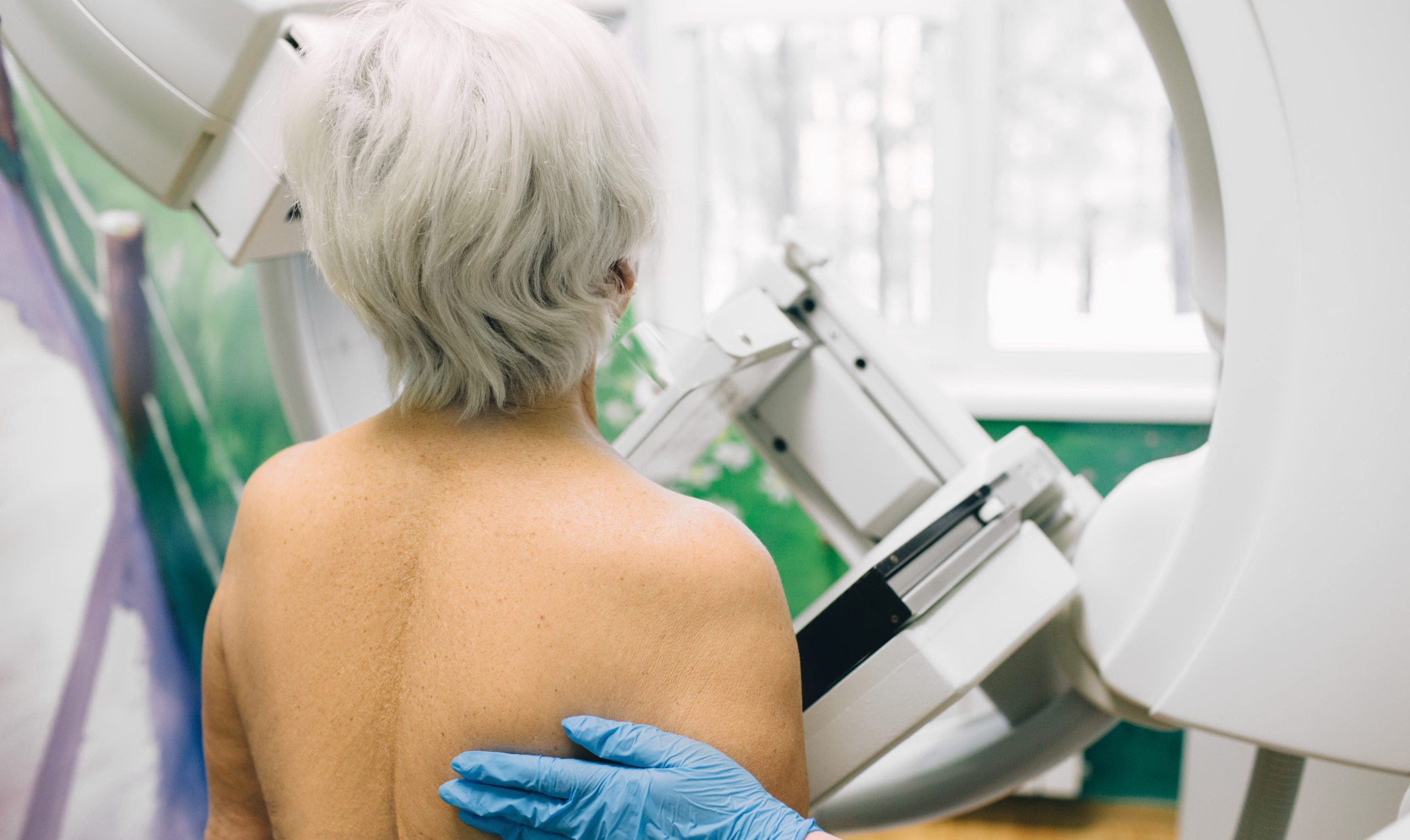
The question of what age a woman can stop having mammograms does not have a definite answer, but is one each woman must answer based on her circumstances and her feelings about the risks of the procedure versus its benefits.

Take control of rising cholesterol at menopause
Here's what the numbers mean — and strategies to lower your cholesterol if it's too high.
For some women who've had normal cholesterol readings all their lives, that changes at menopause. "Going through menopause often results in lipid and cholesterol changes for the worse," says Dr. Samia Mora, an associate professor of medicine at Harvard Medical School and a specialist in cardiovascular medicine the Brigham and Women's Hospital. Drops in the female hormone, estrogen, are associated with a rise in total cholesterol levels due to higher amounts of low-density lipoprotein (LDL), the "bad" cholesterol, and another blood lipid (fat) known as triglyceride. Over time this can raise heart risks, which is a reason for concern, as cardiovascular disease is the No. 1 cause of death in postmenopausal women, says Dr. Mora.
"So, it's especially important to track the numbers in perimenopause and the early years after menopause, as LDL cholesterol and total cholesterol tend to increase," she says.

Breastfeeding may protect high-risk women from diabetes later in life
Research we're watching
If a woman has gestational diabetes during her pregnancy, she has a higher risk of developing diabetes later. But a study published February 10 in Diabetes Care found that breastfeeding may help reduce that risk.
The study, which used data from the Nurses' Health Study II, found that the longer a woman nursed her infant, the lower her risk of developing diabetes later in life. The study included more than 4,000 women who had gestational diabetes. Of those women, more than 800 developed diabetes within the next 25 years. Those who breastfed for six to 12 months were 9% less likely to develop diabetes, compared with women who didn't breastfeed at all. Women who breastfed for one to two years had a 15% lower risk of developing diabetes, compared with women who didn't breastfeed. And diabetes risk was 27% lower in women who breastfed for more than two years. This provides another reason that doctors may want to encourage women with gestational diabetes to breastfeed whenever possible.

Can vitamin and mineral supplements protect against prostate cancer?
On call
Q. Can specific types of supplements help reduce my risk of developing prostate cancer?
A. Most studies of vitamin and mineral supplements have had disappointing results. In fact, some even appear to increase prostate cancer risk. Here's a rundown on where everything stands.

The dating game
How older men can approach the dating life again — and why they should.
One downside to aging is the higher likelihood that at some point you will not have a partner. No matter what the reason for your singlehood, a healthy remedy is to begin dating again.
"Pursuing a more robust social and romantic life is good medicine for your mental and physical health," says Dr. Sharon Bober, founding director of the Sexual Health Program at Harvard-affiliated Dana-Farber Cancer Institute.

Behavioral therapy can relieve overactive bladder symptoms
In the journals
Men often rely on drugs to manage overactive bladder symptoms, such as frequent urination, urgency, incontinence, and nocturia (having to use the bathroom at night). However, a study published online Jan. 13, 2020, by JAMA Internal Medicine suggests that adding behavioral therapy may lead to better results.
Scientists recruited more than 200 men (average age 64) with overactive bladder symptoms and divided them randomly into three groups. One group received only drug therapy. One received only behavioral therapy, which consisted of learning pelvic floor exercises and relaxation techniques to help suppress urges and prevent urine loss. The third group had both behavioral and drug therapy.

Why am I getting acne after menopause?
Ask the doctors
Q. My skin has been breaking out since I entered menopause. Why is this happening, and what can I do about it?
A. Many women notice changes to their skin at menopause. For some women this means dryness, age spots, or a tendency toward bruising. For others, estrogen levels drop while male hormone levels, such as testosterone, remain the same, which can prompt acne breakouts.
New radiation therapies keep advanced prostate cancer in check
Treatments for prostate cancer are always evolving, and now research is pointing to new ways of treating a cancer that has just begun to spread, or metastasize, after initial surgery or radiation. Doctors usually give hormonal therapies in these cases to block testosterone, which is a hormone that makes the cancer grow faster. But newer […]

U=U: Ending stigma and empowering people living with HIV
People living with HIV can suppress the virus by taking medication daily. If the level of virus in a person’s blood is suppressed successfully, research shows that the virus isn’t passed on to others. U=U means “undetectable equals untransmittable.”

Men and urinary tract infections
On call
Image: © KEMPSKI/Getty Images
Q. What causes urinary tract infections and are men at risk for getting them?
A. Although urinary tract infections (UTIs) are more common in women, men can get them, too. They occur when bacteria build up somewhere along your urinary tract. In men, UTIs can develop in the urethra (the tube that runs from the opening at the tip of the penis to the bladder), the bladder, the prostate, or the kidney.
Why do I sweat so much?
Walking pneumonia: The "mild" illness that can still pack a punch
Tai chi walking: What is it and does it work?
What causes knee pain: How doctors make a diagnosis
Sacroiliac joint pain: Causes, symptoms, and exercises that help
Where you carry excess weight matters in predicting heart disease risk
Study: At-home colorectal cancer screening may significantly cut colon cancer deaths
Fatty liver disease: Should you be tested?
Even a little exercise linked with lower stroke risk in people with afib
Testosterone therapy without evidence of deficiency may boost heart risk
Free Healthbeat Signup
Get the latest in health news delivered to your inbox!
Sign Up
