
Why do I sweat so much?
Walking pneumonia: The "mild" illness that can still pack a punch
Tai chi walking: What is it and does it work?

What causes knee pain: How doctors make a diagnosis
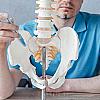
Sacroiliac joint pain: Causes, symptoms, and exercises that help
Where you carry excess weight matters in predicting heart disease risk
Study: At-home colorectal cancer screening may significantly cut colon cancer deaths

Fatty liver disease: Should you be tested?

Even a little exercise linked with lower stroke risk in people with afib

Testosterone therapy without evidence of deficiency may boost heart risk
Libido and sexual performance Archive
Articles

Why the human heart thrives with exercise
A study comparing the hearts of apes with four different groups of men demonstrates how the heart adapts over a person’s lifetime depending on what exercise a person does (or doesn’t do). The most revealing part of the findings pertained to men who are generally not active.
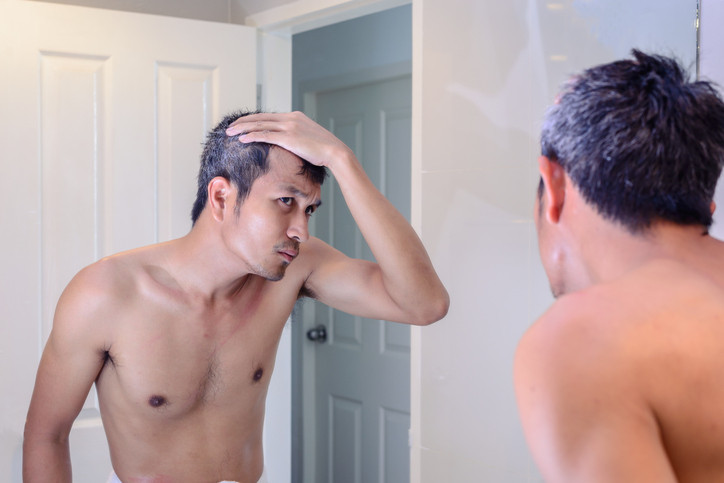
Can stress really make hair (or fur?) turn gray?
Does stress really turn hair gray? Scientists conducted experiments that simulated stress and led to gray hair—in mice, which does not mean it’s true for humans, regardless of what you may have heard in the media.

Menopause and mental health
Shifts in the levels of female hormones can cause temporary mood changes, including symptoms of depression.
The years leading up to menopause and the transition itself can bring changes to your body. But they can also have an effect on your mind, specifically your mental health.
The incidence of depression doubles during this time. Women who have struggled in the past with depression or anxiety might also see a resurgence in symptoms.
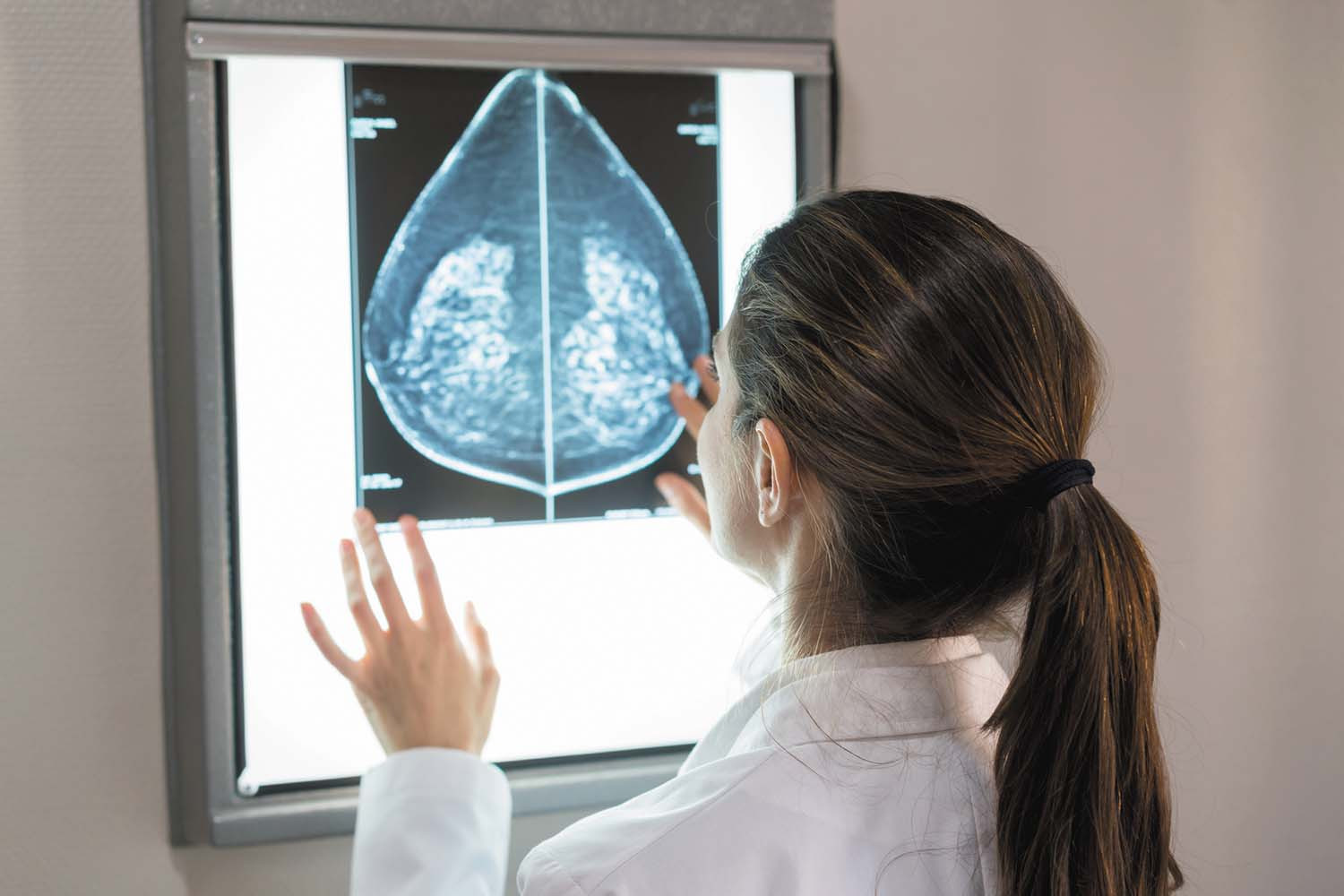
Researchers test new technology for screening dense breasts
Research we're watching
Can a new breast screening technology find more cancers in women with dense breast tissue? A study managed by the American College of Radiology (ACR) Center for Research and Innovation will compare contrast-enhanced spectral mammography (CESM) to other screening technologies used for dense breasts (those that contain a higher proportion of active tissue than fat). It's difficult to find cancers in dense breast tissue using traditional mammography because the active tissue shows up as white areas on a mammogram, just like cancers do, making abnormalities harder to see.
CESM is similar in some ways to traditional mammography, but before having the usual x-ray, the woman is injected with a special iodine-based contrast agent that highlights abnormal areas on the image more clearly. Cancerous tumors typically create new blood vessels when they form, and the contrast agent can reveal that increased blood flow, alerting the radiologist to a potential cancer.

As coronavirus spreads, many questions and some answers
Readers have many questions about the new coronavirus (COVID-19). We have enlisted one of our experts on infectious disease to answer some of them.

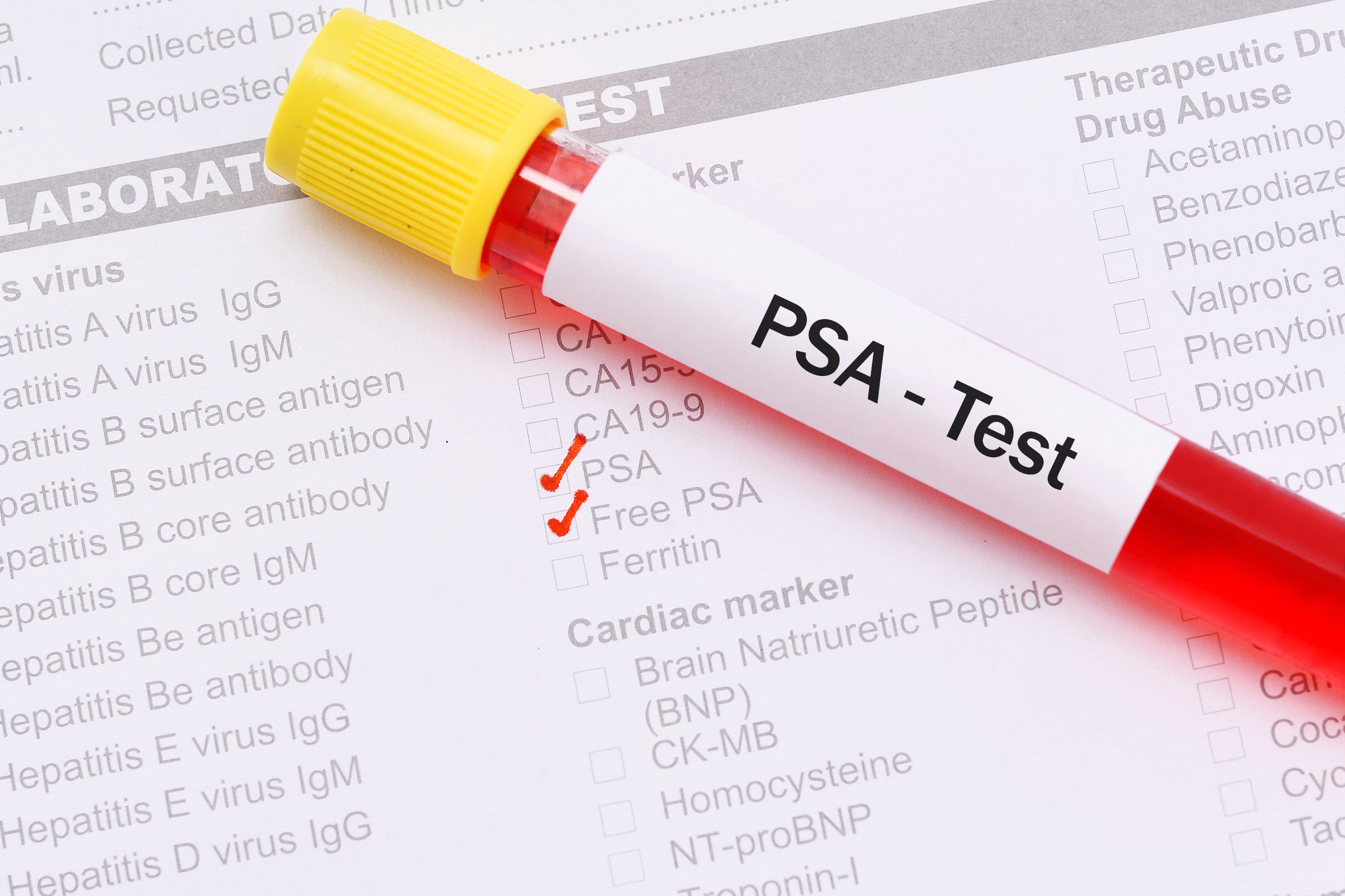
New study compares long-term side effects from different prostate cancer treatments
Prostate cancer therapies are improving over time. But how do the long-term side effects from the various options available today compare? Results from a newly published study are providing some valuable insights. Investigators at Vanderbilt University and the University of Texas MD Anderson Cancer Center spent five years tracking the sexual, bowel, urinary, and hormonal […]


Five healthy habits net more healthy years
Following five healthy lifestyle habits has been shown to extend life expectancy. Better still, a recent study suggests the added years are more likely to be free of illness or disease.
African American and white men who receive comparable treatments for prostate cancer have similar survival
Last year, we reported on two studies showing that African American men respond at least as well as white men to prostate cancer treatments given in clinical trials. Nationally, African Americans with prostate cancer are more than twice as likely to die of the disease as their white counterparts, and that has fueled speculation that […]
Why do I sweat so much?
Walking pneumonia: The "mild" illness that can still pack a punch
Tai chi walking: What is it and does it work?
What causes knee pain: How doctors make a diagnosis
Sacroiliac joint pain: Causes, symptoms, and exercises that help
Where you carry excess weight matters in predicting heart disease risk
Study: At-home colorectal cancer screening may significantly cut colon cancer deaths
Fatty liver disease: Should you be tested?
Even a little exercise linked with lower stroke risk in people with afib
Testosterone therapy without evidence of deficiency may boost heart risk
Free Healthbeat Signup
Get the latest in health news delivered to your inbox!
Sign Up
