

Why do I sweat so much?

Walking pneumonia: The "mild" illness that can still pack a punch

Tai chi walking: What is it and does it work?

What causes knee pain: How doctors make a diagnosis
Sacroiliac joint pain: Causes, symptoms, and exercises that help
Where you carry excess weight matters in predicting heart disease risk
Study: At-home colorectal cancer screening may significantly cut colon cancer deaths

Fatty liver disease: Should you be tested?

Even a little exercise linked with lower stroke risk in people with afib

Testosterone therapy without evidence of deficiency may boost heart risk
Libido and sexual performance Archive
Articles

Hormones and breast cancer: What you should know
New research again links increased breast cancer risk to longer use of hormone therapy.
The link between hormone therapy and breast cancer has been recognized for years. But an analysis published Aug. 29, 2019, in The Lancet has added some additional information to the discussion. The analysis looked at 58 studies that included information on the type and timing of hormone use in individual women, and their body mass index. Researchers began gathering the studies in 1992 and continued until 2018.
We asked Dr. Wendy Chen, an assistant professor of medicine at Harvard Medical School, to help us sort through both the old and new information on hormone use and breast cancer and what it means for women considering starting hormone therapy.

Gene tests for all women with breast cancer could save money — and lives
Research we're watching
Doing genetic tests on all women with breast cancer, as compared with the typical practice of just testing those with a family history of the disease, is worth the extra cost, according to a study published online Oct. 3, 2019, by JAMA Oncology. The study authors say their findings should prompt the expansion of genetic testing to all women diagnosed with breast cancer. It's clear that testing breast cancer patients for genetic variants that raise breast cancer risk (such as BRCA1, BRCA2, and PALB2) would enable doctors to identify more women who carry these variants and who might benefit from preventive strategies. But researchers wondered whether doing so would be too costly. To answer that question, they used a computer model to analyze data from more than 11,000 women. They found that not only would the cost of testing all American women with breast cancer be balanced out by later savings on health care services, but also that just one year of testing could prevent an estimated 9,700 new cases of breast and ovarian cancer and 2,400 deaths.
Image: voinSveta/Getty Images

What does blood in my semen mean?
On call
Q. I've noticed blood streaks in my semen twice over the past 10 days. Is this a sign of something serious?
A. When a man sees blood in his ejaculate, his initial thought is cancer. But the reality is that bloody semen rarely is a sign of cancer.

Prostate cancer and your sex life
Undergoing treatment and managing the condition can lower libido and lead to erectile dysfunction.
Considerable emotional and mental processing comes with a prostate cancer diagnosis. "Prostate cancer strikes a personal part of a man's body, and for most, it is a glaring sign of aging and a reminder they are not as young as before," says Dr. Mark Pomerantz, an oncologist with Harvard-affiliated Dana-Farber Cancer Institute.
Then there is the stressful decision about treatment. Yet many men don't realize how much their choice may influence their sex life.

Mushrooms may protect against prostate cancer
In the journals
A study published online Sept. 4, 2019, by the International Journal of Cancer showed a possible connection between regular mushroom consumption and a lower risk of prostate cancer.
The researchers recruited more than 36,000 men ages 40 to 79. They recorded various health information, such as physical activity, family and medical history, and diet. Information on diet included 39 foods and beverages. The men were then followed for a period ranging from 13 to almost 25 years.

Hot flashes and heart health
This symptom is common in menopause, but frequent or persistent episodes could be a sign of higher risk for heart attack or stroke.
Researchers have begun to pay more attention to cardiovascular risk factors that are unique to women, such as early menopause (before age 40) and certain pregnancy complications. Recently they turned their attention to a common menopausal symptom that affects up to 85% of women: hot flashes.
Study results presented in September 2019 to the North American Menopause Society from the Study of Women's Health Across the Nation (SWAN) found that women who experience frequent or persistent hot flashes may be more likely than women who don't to experience a heart attack or stroke or other serious cardiovascular problems. (Researchers defined "frequent" hot flashes as having them six or more days in the previous two-week period. Women with "persistent" hot flashes reported those frequent hot flashes at 25% or more of study visits.)

Is bladder training really beneficial?
Ask the doctors
Q. I suffer from mild urinary incontinence. A friend suggested that I try bladder training. Is this a real treatment?
A. Yes, some women with urinary frequency and overactive bladder might benefit from bladder training. The idea behind bladder training is to teach your body to respond more appropriately to bladder signals.
Can I do anything to prevent osteoporosis?
Ask the doctors
Q. I know that osteoporosis is linked to hereditary factors that I can't change. But are there things I can do to reduce my risk?
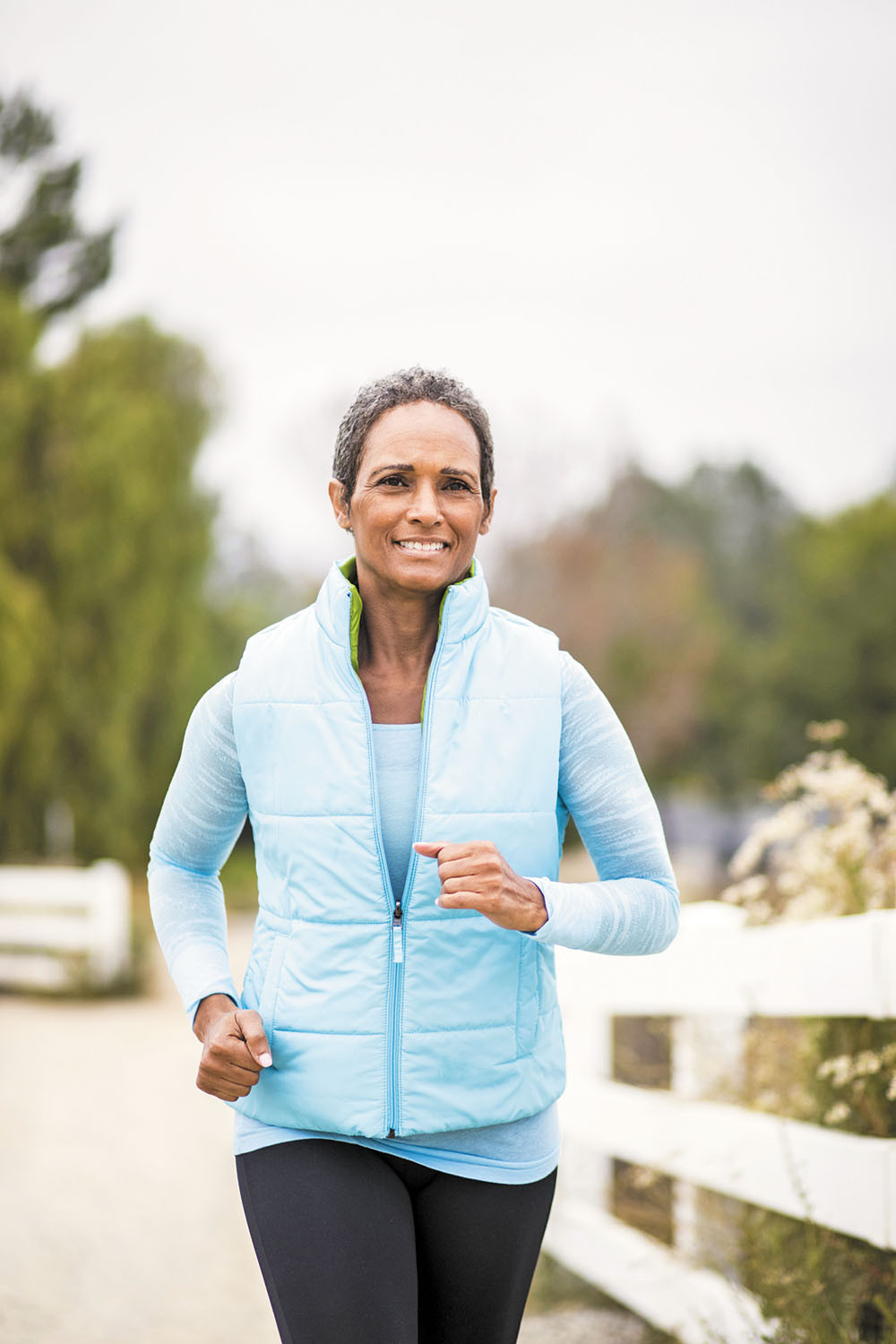
A. It's true that many risk factors for osteoporosis, such as your sex, age, and genes, are not things you can change. But there are things you can do to improve your bone health. This includes adopting a healthy diet that is rich in calcium and getting enough vitamin D, which can help maintain and improve bone health. Regular exercise can also help strengthen your bones or prevent bone loss. In particular, activities that put stress on your bones, such as jumping, running, and weight-bearing exercises, can stimulate bone cells to produce proteins that bolster bone strength. In children, these activities can actually increase bone density. While adults don't gain the same degree of benefit that kids do, exercise can still have moderate effects on bone, helping to maintain strength that might otherwise be lost. To further protect bone health, cut down on unhealthy habits, such as smoking or drinking excess amounts of alcohol. If you have risk factors for osteoporosis, you might also want to talk to your doctor about whether any of your medications might be harming your bone health.
Should you use probiotics for your vagina?
Probiotics are being promoted as a way for women to improve vaginal health, but unlike with the gut and digestion, there is almost no evidence for any benefit.
Researchers urge prostate cancer screening for men with BRCA gene defects
Prostate cancer screening with the prostate-specific antigen (PSA) test has been criticized for flagging too many slow-growing tumors that might never be life-threatening. But some men have inherited gene defects that boost their risk of developing prostate cancers that can be quite aggressive. Is PSA screening particularly well-suited for these genetically defined groups? New research […]
Why do I sweat so much?
Walking pneumonia: The "mild" illness that can still pack a punch
Tai chi walking: What is it and does it work?
What causes knee pain: How doctors make a diagnosis
Sacroiliac joint pain: Causes, symptoms, and exercises that help
Where you carry excess weight matters in predicting heart disease risk
Study: At-home colorectal cancer screening may significantly cut colon cancer deaths
Fatty liver disease: Should you be tested?
Even a little exercise linked with lower stroke risk in people with afib
Testosterone therapy without evidence of deficiency may boost heart risk
Free Healthbeat Signup
Get the latest in health news delivered to your inbox!
Sign Up
