

Even a little exercise linked with lower stroke risk in people with afib

Testosterone therapy without evidence of deficiency may boost heart risk

Weight-loss drug may lower risk of heart attacks and infections

What to eat on the DASH diet

Migraine: How it's diagnosed and what that means

Tricep workouts you can do at home

Mindfulness practices to reduce stress and improve focus

Antihistamines may not offer meaningful relief from eczema symptoms

Overweight and taking blood pressure medications: Study finds it's a trend that's working

FDA approves first mRNA-based flu vaccine
Kidney and urinary health Archive
Articles

Kidneys, eyes, ears, and more: Why do we have a spare?
The human body has excess capacity — that is, our organs have more reserve than most of us will ever need. Why are we built with this natural redundancy? And which body parts can safely fail or be removed without impairing health?

Weak kidneys? Pay attention but don't worry excessively
Kidney function declines with age in some people. A heart-healthy diet and lifestyle will protect your kidneys. Once kidney function reaches a certain low level, medication and other steps to protect the kidneys may be necessary.

Preventing kidney stones
Men prone to kidney stones should drink plenty of water, get adequate calcium, reduce sodium, limit animal protein, and avoid foods that could make kidney stones more likely to form. Dietary restrictions depend on the stones the person tends to form.

Can a kidney stone go away on its own?
An estimated one in 11 Americans has a kidney stone at some point in life. The larger a kidney stone, the more likely it will block urine flow and need treatment. Smaller stones may pass on their own. Drinking plenty of fluids can help prevent kidney stones.

The kidney-heart connection
More than one in seven adults has chronic kidney disease, yet many of them aren't aware of the problem. Early-stage kidney disease often has no symptoms, but the condition slowly and silently worsens over time. The two most common causes of chronic kidney disease—high blood pressure and diabetes—are also leading risk factors for heart disease, which means the two diseases often overlap. Most people know their blood pressure and cholesterol values, but few are familiar with the tests used to assess kidney health. They include serum creatinine, estimated glomerular filtration rate, and urine protein tests.

How to prevent kidney stones
Drinking water and changing your diet are just some ways to avoid kidney stones. See the full list here.

Novel procedure may lower stubbornly high blood pressure
Renal denervation is a minimally invasive procedure that destroys some of the nerves inside the renal arteries, which supply the kidneys. The procedure lowers blood pressure by disrupting communication between the brain and the kidneys that leads to elevated blood pressure. People with stubbornly high blood pressure may be candidates for the procedure, which is currently approved for use in Europe but not in the United States.

Kidney health quick-start guide
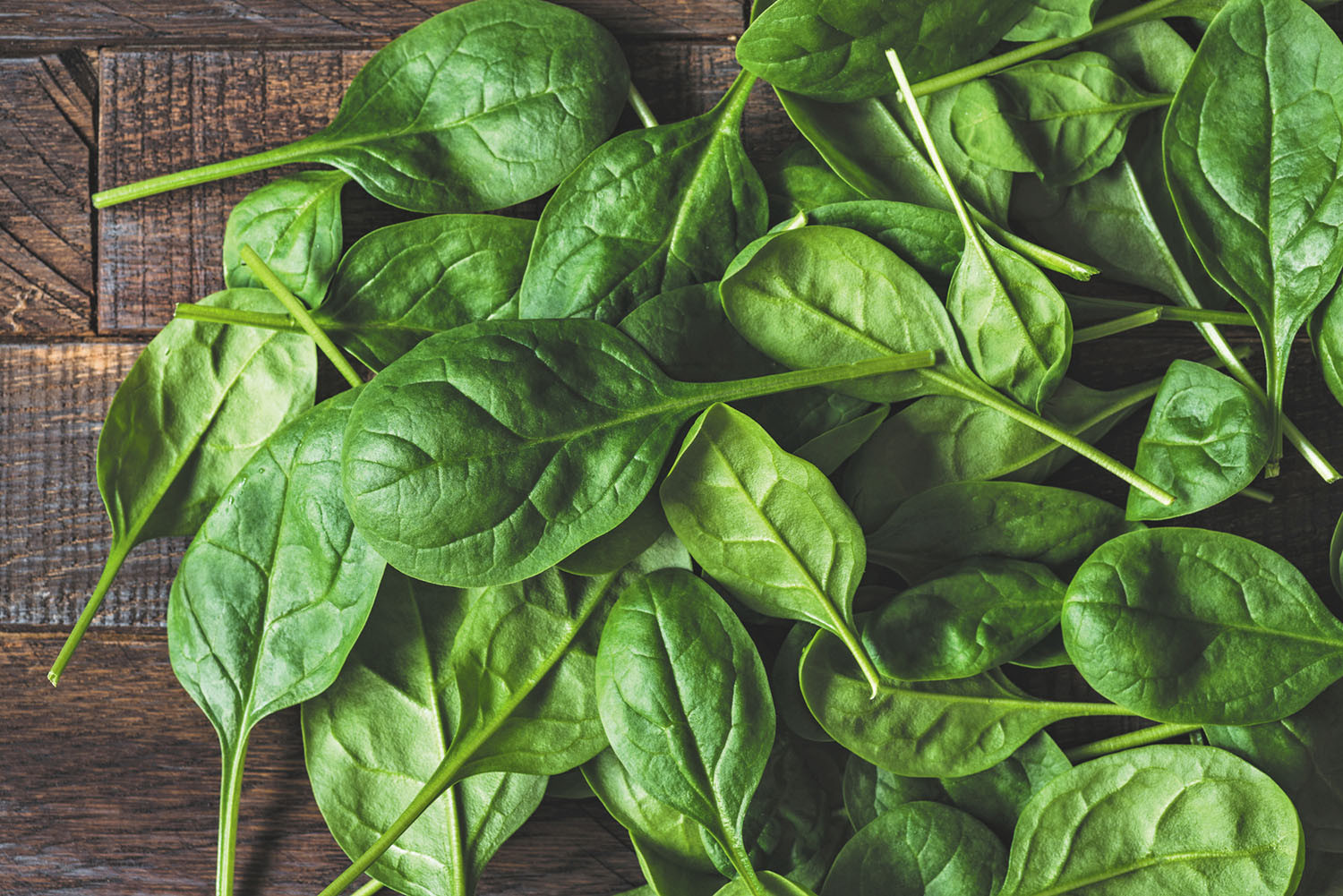
Unhealthy lifestyle habits, chronic diseases, and genetic conditions can damage the kidneys and reduce their ability to do their many jobs. But many precautions can help protect the kidneys. Examples include controlling diabetes; lowering high blood pressure; moderating intake of salt, alcohol, and protein; limiting intake of oxalate-rich foods such as spinach, almonds, or cashews; losing weight; stopping smoking; exercising regularly; staying hydrated; limiting the use of nonsteroidal anti-inflammatory drugs (NSAIDs); and getting annual kidney function tests.

People with kidney disease eat less fruits and veggies
A 2022 study found that people with chronic kidney disease were less likely than similar adults without the condition to eat fruits and vegetables. Researchers said more studies are needed to determine if this dietary pattern is a cause or a result of the disease.
Even a little exercise linked with lower stroke risk in people with afib
Testosterone therapy without evidence of deficiency may boost heart risk
Weight-loss drug may lower risk of heart attacks and infections
What to eat on the DASH diet
Migraine: How it's diagnosed and what that means
Tricep workouts you can do at home
Mindfulness practices to reduce stress and improve focus
Antihistamines may not offer meaningful relief from eczema symptoms
Overweight and taking blood pressure medications: Study finds it's a trend that's working
FDA approves first mRNA-based flu vaccine
Free Healthbeat Signup
Get the latest in health news delivered to your inbox!
Sign Up
