

Even a little exercise linked with lower stroke risk in people with afib

Testosterone therapy without evidence of deficiency may boost heart risk

Weight-loss drug may lower risk of heart attacks and infections

What to eat on the DASH diet

Migraine: How it's diagnosed and what that means

Tricep workouts you can do at home

Mindfulness practices to reduce stress and improve focus

Antihistamines may not offer meaningful relief from eczema symptoms

Overweight and taking blood pressure medications: Study finds it's a trend that's working

FDA approves first mRNA-based flu vaccine
Joint Replacement Archive
Articles

Best treatments for this common finger problem
Doctors have three ways to treat Dupuytren's contracture, a condition that pulls one or more fingers toward the palm. A needle aponeurotomy breaks up the thick collagen tissue sticking to the tendons. A collagenase injection contains an enzyme that eats up and dissolves the collagen. Surgery involves the removal of the collagen tissue. With all three procedures, the condition can return. The procedure that's right for someone depends on the condition's severity and the location of the collagen.


Dupuytren's contracture of the hand
One condition affecting the hands and fingers is Dupuytren's contracture, where one or more fingers become curled, making it difficult to perform everyday activities. Dupuytren's affects one in 20 Americans, so what do people need to know about it?
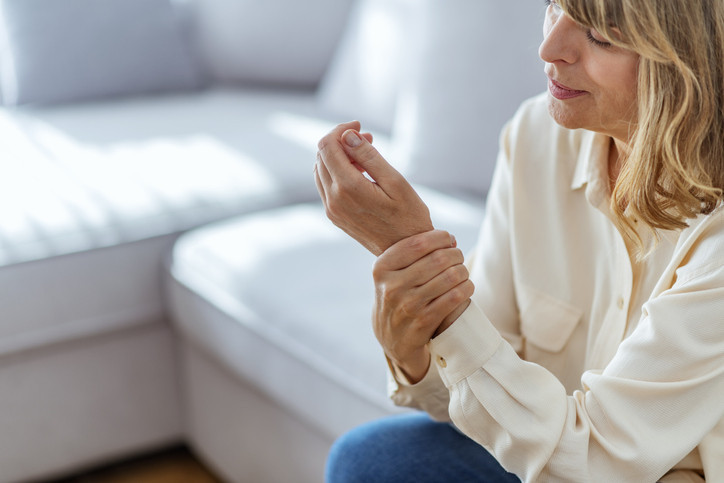
Remedies for hand cramps
The typical causes of cramps in the hands include dehydration and straining the muscles with repeated motions like typing. Low calcium or magnesium or a compressed nerve in the wrist may also cause cramping. Stretching the fingers may help.

What to do about bunions
A bunion is a deformity of the foot that causes the big toe to turn inward toward the other toes. This can result in damage to the other toes, calluses, and trouble walking.

Soleful aging
Like the rest of the body, the feet are vulnerable to the effects of aging. Women may be more susceptible to certain foot conditions due to hormone fluctuations during pregnancy and a higher incidence of decreased bone density with aging. But everyone's soft tissues become less elastic, making foot problems more likely. Foot conditions that can develop or worsen with age include stress fractures, plantar fasciitis, bunions, flat feet, and osteoarthritis. Simple measures, such as resting the feet and wearing supportive shoes, can help ease pain.

Recovering from an ankle sprain
Ankle sprains are common, but they require proper treatment to heal correctly. You should rest for one or two days and use ice to reduce swelling, then begin exercising to regain strength and range of motion.

Try this: Give your hands a hand
Performing hand exercises using therapy putty can help a person improve grip and pinch strength.

The right shoe for walking and running
Walking and running share similar movements, but how the foot is supported differs, which is why most walking and running shoes are designed differently. When walking, the heels hit the ground first before the foot rolls forward to begin the next step. Because of this rolling motion, walking shoes are designed to have soft, flexible soles, which help a person push off with each step, and an angled heel to absorb most of the shock and reduce pressure on the ankles. In comparison, runner's feet strike anywhere from the heel to the midfoot or forefoot. Therefore, running shoes are designed to have thicker soles that act as shock absorbers.
Even a little exercise linked with lower stroke risk in people with afib
Testosterone therapy without evidence of deficiency may boost heart risk
Weight-loss drug may lower risk of heart attacks and infections
What to eat on the DASH diet
Migraine: How it's diagnosed and what that means
Tricep workouts you can do at home
Mindfulness practices to reduce stress and improve focus
Antihistamines may not offer meaningful relief from eczema symptoms
Overweight and taking blood pressure medications: Study finds it's a trend that's working
FDA approves first mRNA-based flu vaccine
Free Healthbeat Signup
Get the latest in health news delivered to your inbox!
Sign Up
