

Even a little exercise linked with lower stroke risk in people with afib

Testosterone therapy without evidence of deficiency may boost heart risk

Weight-loss drug may lower risk of heart attacks and infections

What to eat on the DASH diet

Migraine: How it's diagnosed and what that means

Tricep workouts you can do at home

Mindfulness practices to reduce stress and improve focus

Antihistamines may not offer meaningful relief from eczema symptoms

Overweight and taking blood pressure medications: Study finds it's a trend that's working

FDA approves first mRNA-based flu vaccine
Inflammatory bowel disease (IBD) Archive
Articles

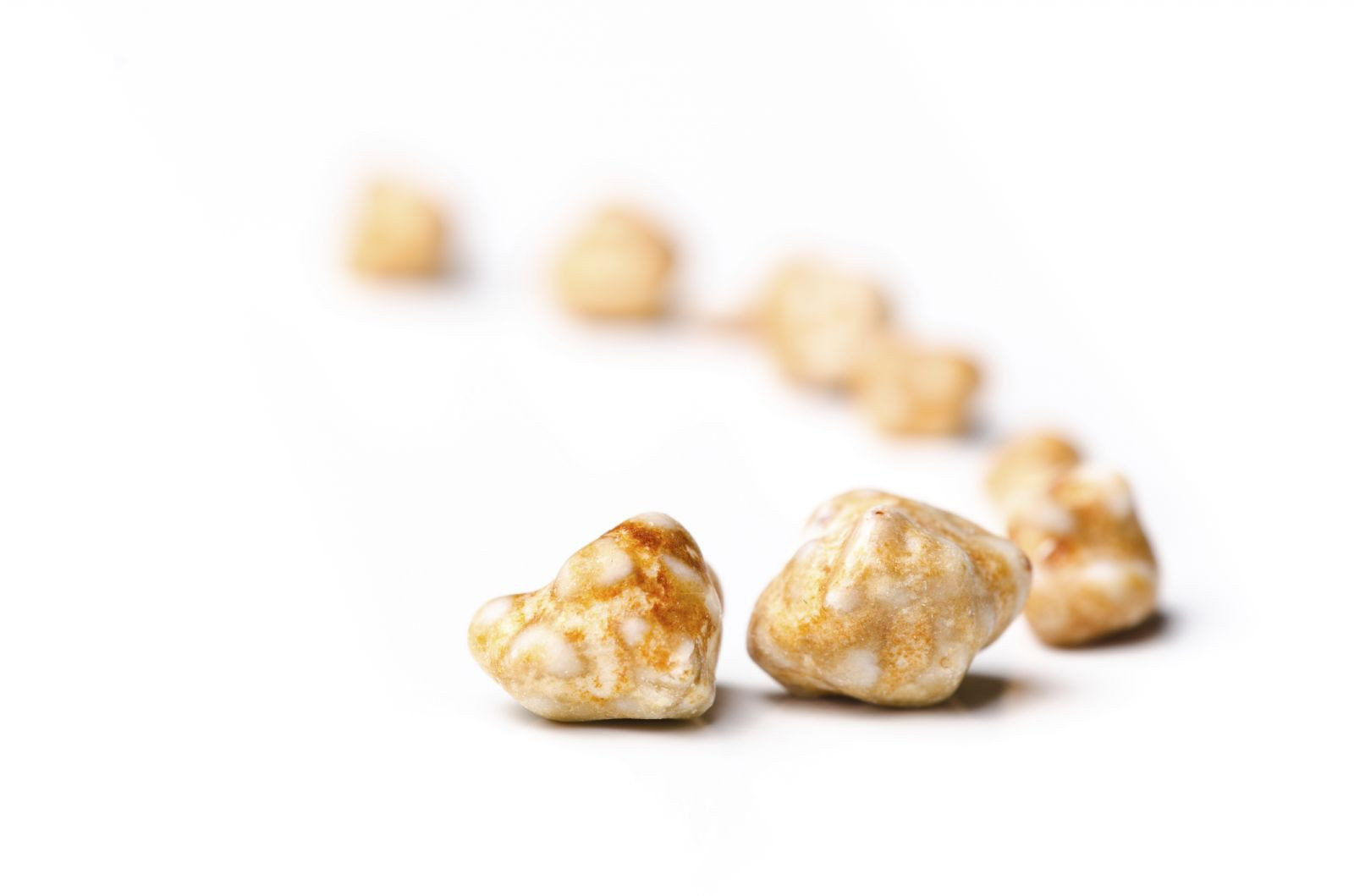
Attack of the gallstones
They affect more women, but men still are at risk.
Image: iStock
Most people never think about gallstones—that is until they experience the severe, gut-piercing pain of a gallstone attack. "These often strike after eating, especially a high-fat or high-cholesterol meal, and can last about 30 minutes to two or more hours," says Dr. William Brugge, past director of gastrointestinal endoscopy at Harvard-affiliated Massachusetts General Hospital.
The attacks often begin in the upper-right side of the abdomen and may spread to the back, between the shoulder blades, and under the right shoulder. Nausea or vomiting may also occur.

“Superbugs” and the very real threat of untreatable infections
Doctors recently discovered a gene in E. coli bacteria that makes it resistant to an antibiotic that is typically used when other drugs fail. This new finding suggests that effectiveness of last-resort antibiotics is at risk. As more bacteria evolve to “outsmart” antibiotics, scientists are increasingly concerned about infections caused by “superbugs” that cannot be treated with existing antibiotics.

A bummer for kids: Nasal flu vaccine not effective
For years, many kids could skip the traditional flu “shot” — along with the tears — and still be protected by the nasal spray vaccine also known as the LAIV (live attenuated influenza vaccine). But not this year. Studies now show that the nasal vaccine is quite ineffective, and pediatricians are starting to change their flu recommendations from a nose squirt to a shot.

Concern about recurring hiccups
Hiccups are often caused by many everyday situations, including distention of the stomach (which can be the result of overeating), swallowing air, or drinking carbonated beverages. They usually go away on their own, but episodes that last longer than 48 hours could be a sign of certain medical problems.

Too much of a good thing?
Proton-pump inhibitors are among the most-prescribed medications, but is long-term use safe?
Proton-pump inhibitors reduce stomach acid, which helps to treat symptoms of acid reflux.
Image: kamontad123/Thinkstock
Proton-pump inhibitors (PPIs), which are used to treat a variety of gastrointestinal problems, are among the most popular drugs in the United States. In fact, the FDA estimates about one in 14 Americans has used a PPI.


Should you keep taking that heartburn medication?
It may be time to re-evaluate if it's been a while since you started using proton-pump inhibitors.
Long-term use of some heartburn medications appears to be associated with an increated risk of dementia, heart attack, and chronic kidney disease.
Image: Thinkstock
You may think you're reaching for heartburn relief when you take a proton-pump inhibitor (PPI), a type of medication that helps block the production of stomach acid. PPIs are effective, and some—such as lansoprazole (Prevacid) and omeprazole (Prilosec)—are readily available over the counter. Others, such as pantoprazole (Protonix), are frequently prescribed for long-term use. But PPIs may have risks when taken over a long period.

The inconvenient truth of vaccine refusal
The development of vaccines for many once-fatal illnesses has saved the lives of hundreds of thousands of children in the United States. While some parents may have concerns about the side effects of a vaccine, the decision not to vaccinate a child extends the risk of illness to the larger community.
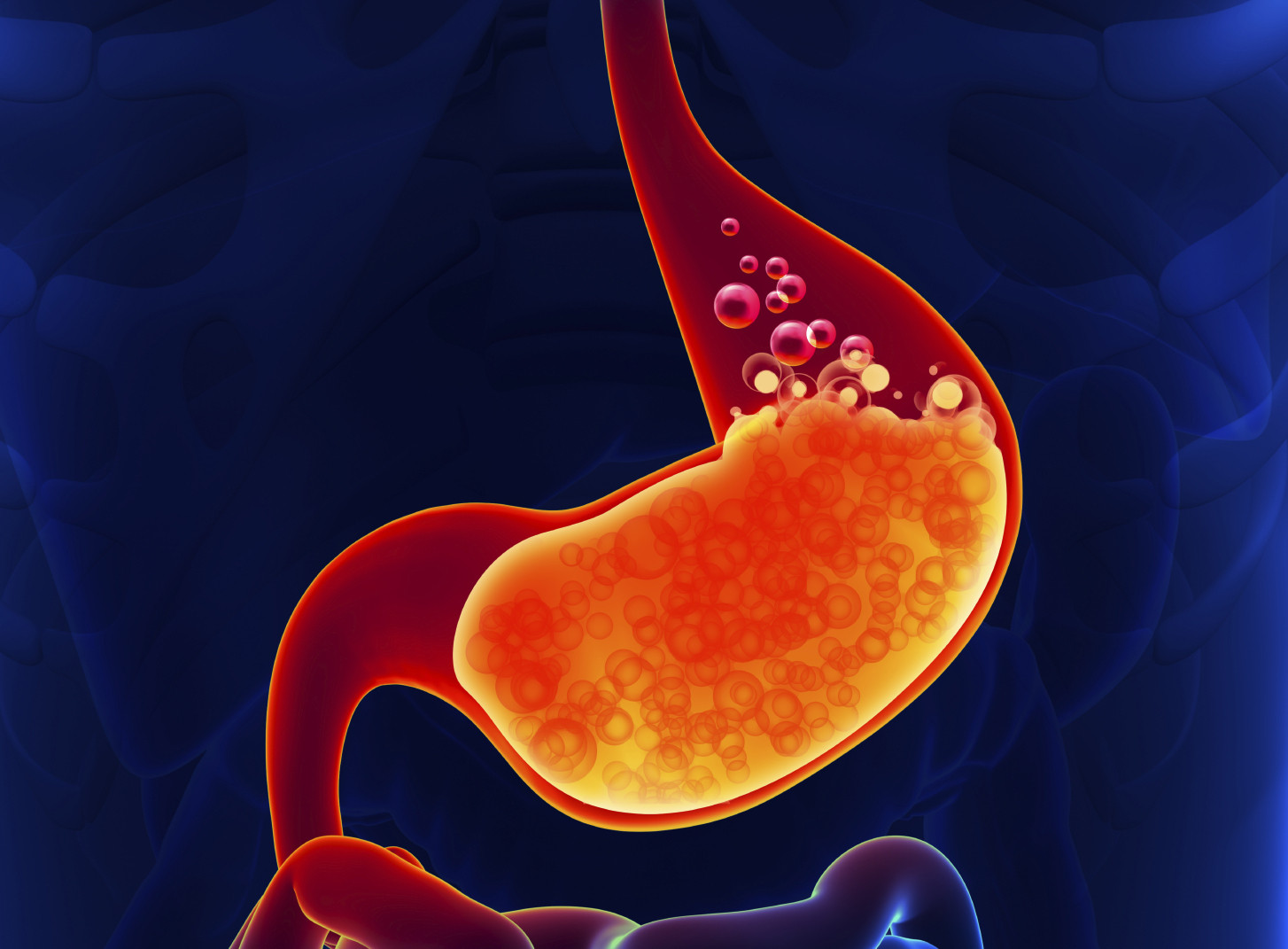
8 ways to quell the fire of heartburn
Heartburn is a common problem. It's caused by the backwash of stomach acid into the esophagus, the tube connecting the mouth and stomach. This is formally called gastroesophageal reflux disease (GERD). More than just a minor discomfort, heartburn can significantly reduce quality of life. "Heartburn can cause damage to the esophagus and even increase the risk of cancer if ignored and untreated," says Dr. William Kormos, editor in chief of Harvard Men's Health Watch and a primary care physician at Massachusetts General Hospital.
These eight steps can help ease heartburn.
- Eat in a heartburn-smart way. Large meals put pressure on the muscle that normally helps keep stomach contents from backing up into the esophagus. The more you eat, the longer it takes for the stomach to empty, which contributes to reflux. Try smaller, more frequent meals — and don't wolf down your food.
- Avoid late-night eating. Having a meal or snack within three hours of lying down to sleep can worsen reflux, causing heartburn. Leave enough time for the stomach to clear out.
- Don't exercise right after meals. Give your stomach time to empty; wait a couple of hours. But don't just lie down either, which will worsen reflux.
- Sleep on an incline. Raising your torso up a bit with a wedge-shaped cushion may ease nighttime heartburn. Wedges are available from medical supply companies and some home goods stores. Don't just prop your head and shoulders up with regular pillows — doing so can actually increase pressure on the stomach by curling you up at the waist.
- Identify and avoid foods associated with heartburn. Common offenders include fatty foods, spicy foods, tomatoes, garlic, milk, coffee, tea, cola, peppermint, and chocolate. Carbonated beverages cause belching, which also causes reflux.
- Chew sugarless gum after a meal. Chewing gum promotes salivation, which helps neutralize acid, soothes the esophagus, and washes acid back down to the stomach. But avoid peppermint-flavored gum, which may trigger heartburn more than other flavors.
- Rule out medication side effects. Ask your doctor or pharmacist whether any of the medications you take might cause pain resembling heartburn or contribute to reflux.
- Lose weight if you need to. Being overweight puts more pressure on the stomach and pushes stomach contents into the esophagus. The tight-fitting clothing and belts that come with weight gain may also be a factor.
For more on relieving heartburn and treating a sensitive gut, purchase The Sensitive Gut by Harvard Medical School.
Even a little exercise linked with lower stroke risk in people with afib
Testosterone therapy without evidence of deficiency may boost heart risk
Weight-loss drug may lower risk of heart attacks and infections
What to eat on the DASH diet
Migraine: How it's diagnosed and what that means
Tricep workouts you can do at home
Mindfulness practices to reduce stress and improve focus
Antihistamines may not offer meaningful relief from eczema symptoms
Overweight and taking blood pressure medications: Study finds it's a trend that's working
FDA approves first mRNA-based flu vaccine
Free Healthbeat Signup
Get the latest in health news delivered to your inbox!
Sign Up
