

Even a little exercise linked with lower stroke risk in people with afib

Testosterone therapy without evidence of deficiency may boost heart risk

Weight-loss drug may lower risk of heart attacks and infections

What to eat on the DASH diet

Migraine: How it's diagnosed and what that means

Tricep workouts you can do at home

Mindfulness practices to reduce stress and improve focus

Antihistamines may not offer meaningful relief from eczema symptoms

Overweight and taking blood pressure medications: Study finds it's a trend that's working

FDA approves first mRNA-based flu vaccine
Inflammatory bowel disease (IBD) Archive
Articles

Daily aspirin users 75 or older: Consider taking a stomach-protecting drug
Research we're watching
Roughly half of Americans ages 75 or older take a daily, low-dose aspirin to prevent a heart attack or stroke. New research suggests these people might benefit from taking a stomach-protecting drug to prevent a higher-than-expected risk of gastrointestinal (GI) bleeding.
The study, published online June 13, 2017, by The Lancet, involved nearly 3,200 people who were prescribed aspirin because of a previous heart attack or stroke. Researchers followed them for up to 10 years to see how many were hospitalized for bleeding — a well-known side effect of aspirin use. Upper GI bleeding usually results from a stomach ulcer, which can cause anemia, heartburn, and abdominal pain.

Is the “full course of antibiotics” full of baloney?
Conventional medical wisdom has held that taking antibiotics for longer periods of time produces better results and lowers the risk for antibiotic resistance. But the evidence for this is slim, and researchers are now questioning this approach.

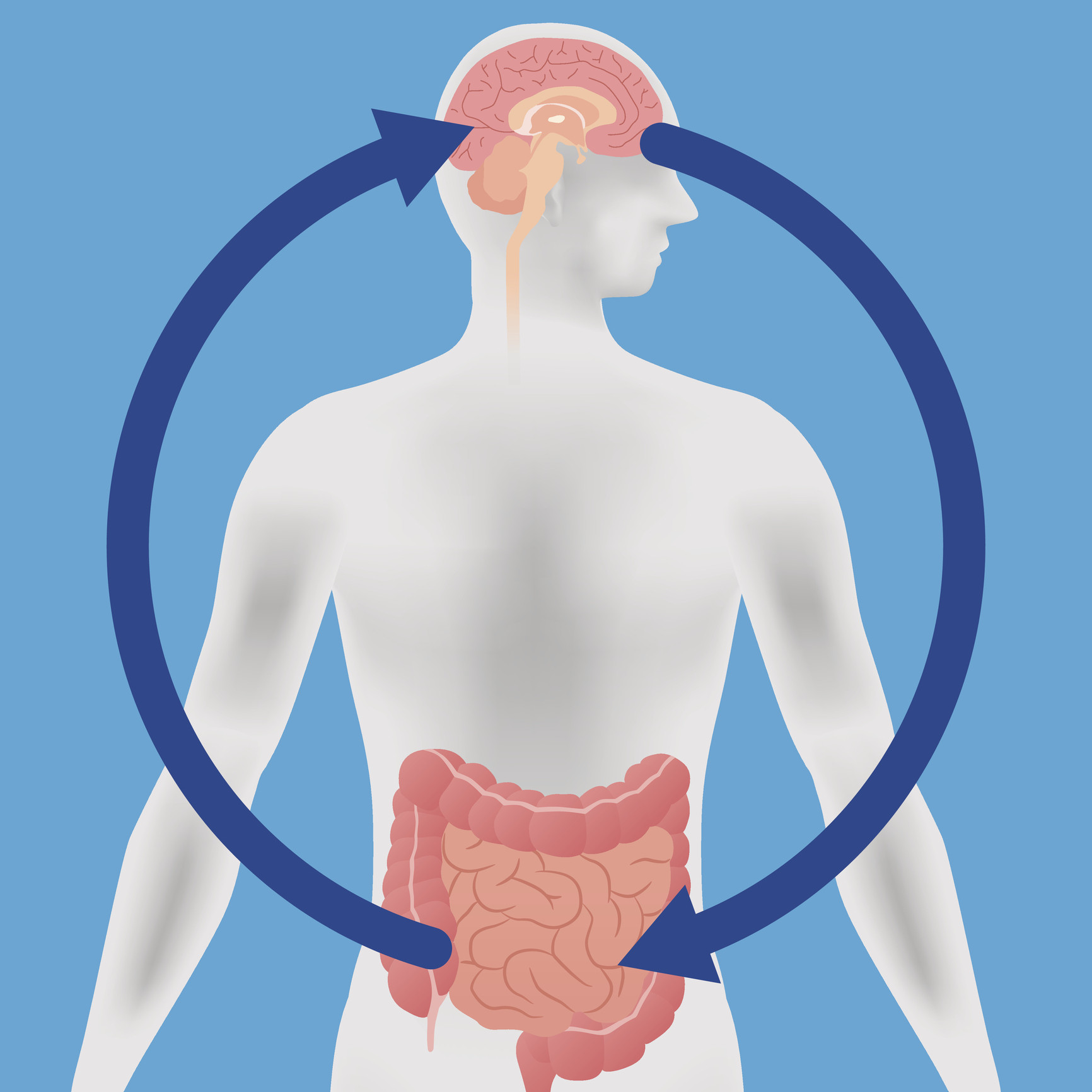



When does long-term acid reflux become a serious issue?
On call
Q. I have had acid reflux for many years, but it is well controlled with a proton-pump inhibitor. However, I am concerned about long-term damage from my reflux, even though I feel fine now. Should I have an upper endoscopy to look for possible damage?
A. Long-term acid reflux can damage the esophagus and may lead to a condition known as Barrett's esophagus, which is a precursor to esophageal cancer. Barrett's affects about 3% to 10% of older men, but within this group the risk of developing esophageal cancer is only about four in every 1,000 cases. Over all, men with Barrett's are more likely to die from another cause.

The finer points of acupuncture
This ancient practice can be used alone or with conventional therapy to help ease your pain.
Image: © zilli/Thinkstock
Men looking for an easy and effective means to manage pain should consider acupuncture.
"There are many different types of pain — neuropathic, muscular, degenerative joint — all of which can make management complex," says Hugo Lopez, a licensed acupuncturist with Harvard-affiliated Massachusetts General Hospital Cancer Center. "Sometimes you need to treat not just the physical components, but also the psychological ones, and that is where acupuncture can help, as it addresses both problems."

Why vaccines are important for our country’s financial health, too
Vaccinating babies and toddlers prevents many illnesses, but it also helps the avoid high costs associated with treating those illnesses, helps reduce sick time taken by parents, and contributes to greater immunity in a population.

H. pylori, a true stomach “bug”: Who should doctors test and treat?
A stomach infection of H. pylori bacteria can cause ulcers, but not everyone with the infection shows symptoms and the treatment process can be challenging, so only people with certain conditions need to be tested for it.
Even a little exercise linked with lower stroke risk in people with afib
Testosterone therapy without evidence of deficiency may boost heart risk
Weight-loss drug may lower risk of heart attacks and infections
What to eat on the DASH diet
Migraine: How it's diagnosed and what that means
Tricep workouts you can do at home
Mindfulness practices to reduce stress and improve focus
Antihistamines may not offer meaningful relief from eczema symptoms
Overweight and taking blood pressure medications: Study finds it's a trend that's working
FDA approves first mRNA-based flu vaccine
Free Healthbeat Signup
Get the latest in health news delivered to your inbox!
Sign Up
