

People who walk more or walk faster live longer, study finds

For sleep apnea, a dental device may be as effective as CPAP

Rosacea treatments: What works?

Carb cycling: What is it, and does it work?

Understanding orthorexia: Have your healthy eating goals gone too far?

Melatonin or magnesium: Can either supplement help you sleep?

Salmonella, E. coli, Cyclospora, and other germs that cause food poisoning: What you need to know

Naturally gluten-free foods

Harvard study: Healthier fats linked to longer life after prostate cancer diagnosis

Shingrix shingles vaccine linked with lower heart disease risks
Heart Health Archive
Articles
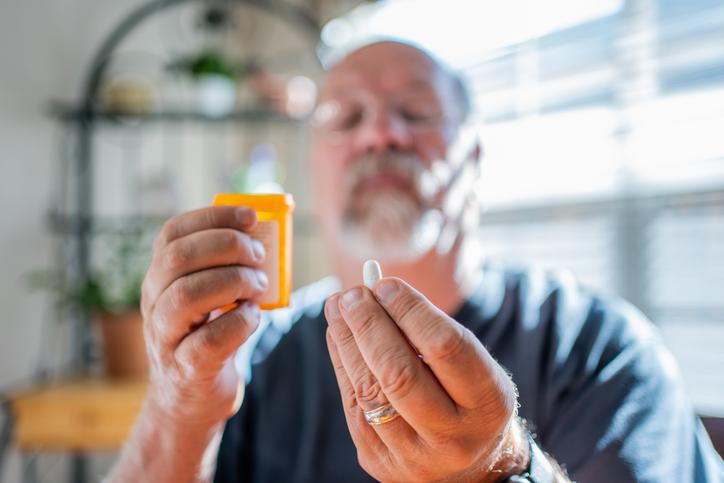
New drug shows promise for stubbornly high blood pressure
A 2025 suggests that an experimental drug called lorundrostat may be an effective add-on therapy for high blood pressure that has not responded to medication. The drug works by reducing aldosterone, a hormone that helps regulate blood pressure.
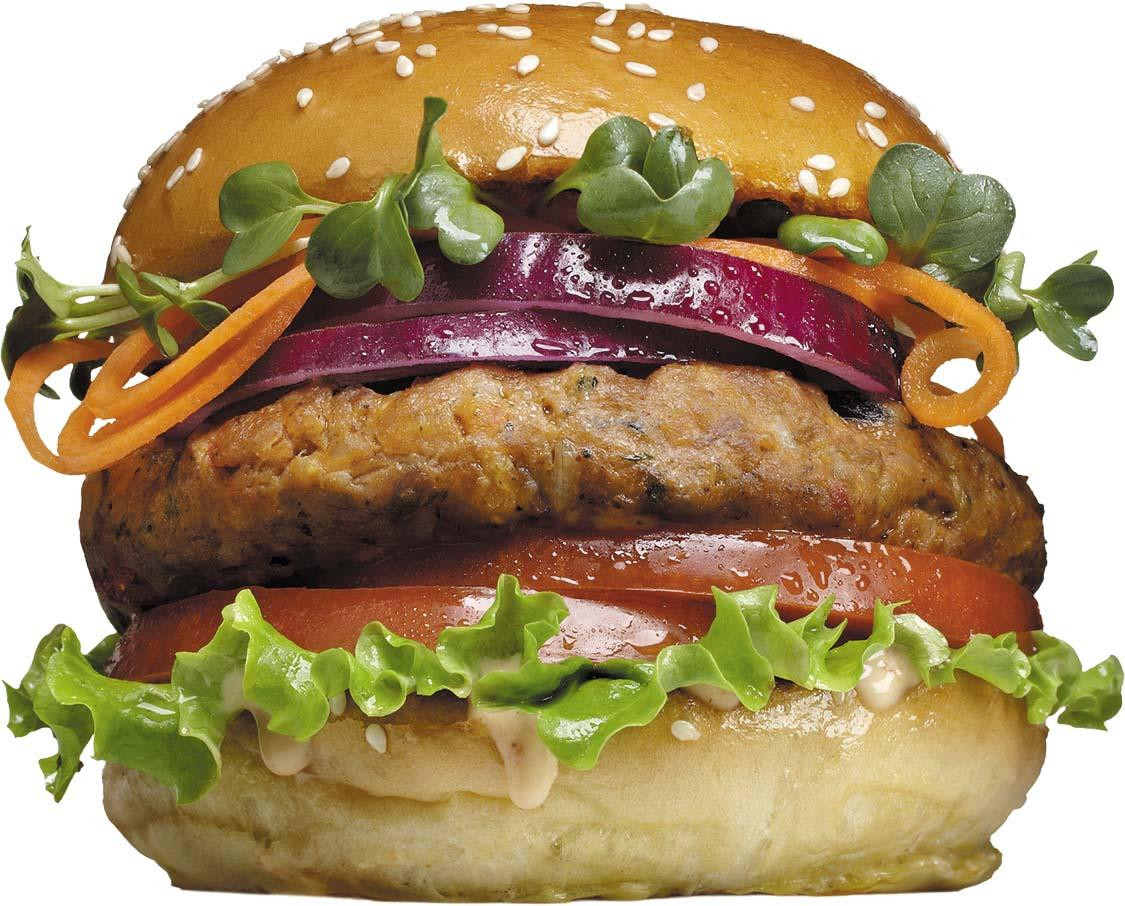
What type of burgers are the healthiest?
Meatless burgers-which include plant-based meat alternatives like Beyond Burger and Impossible Burger and veggie burgers-are healthy replacements for traditional hamburgers. Those with the lowest amounts of saturated fat and sodium are the best options.
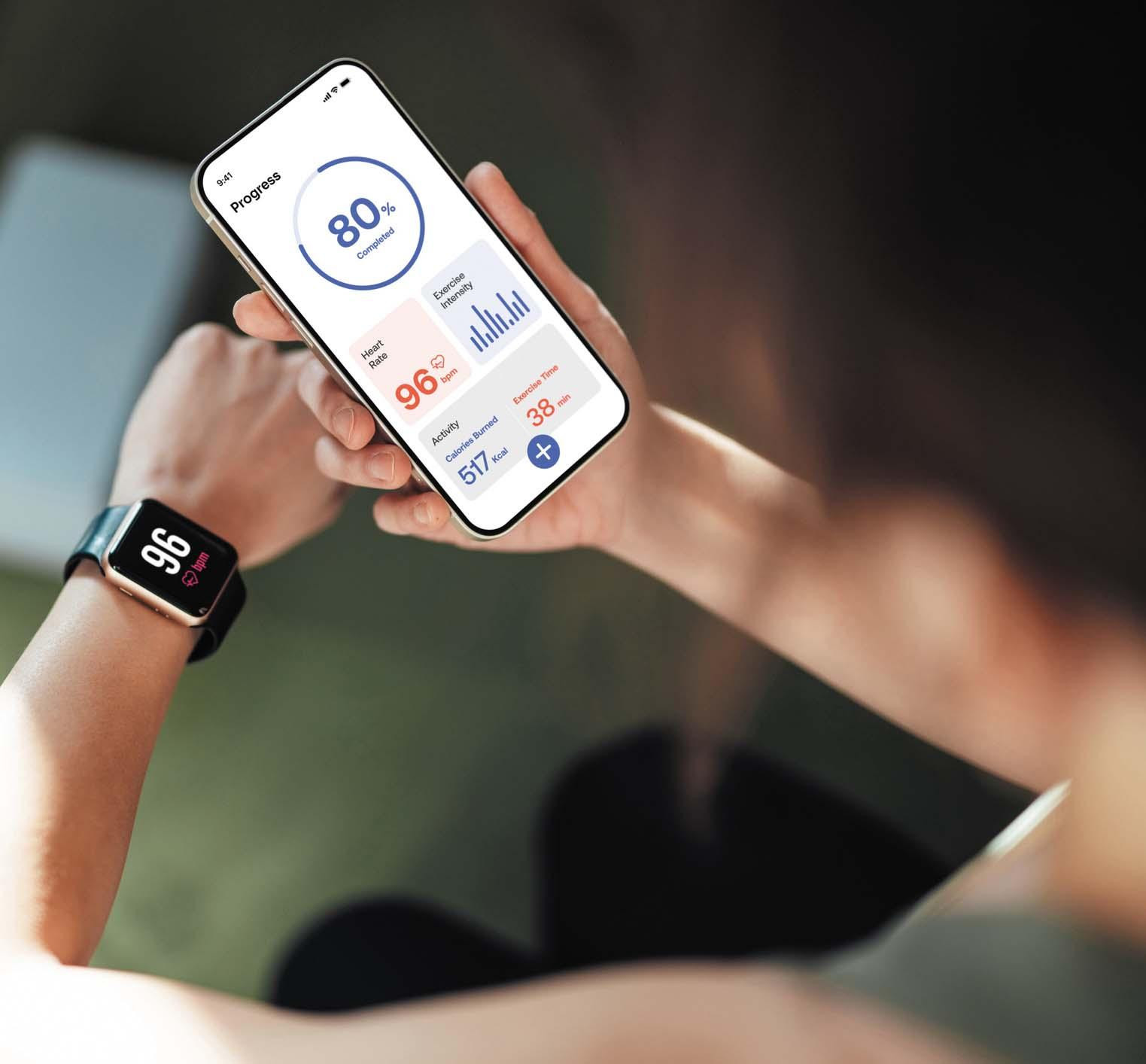
Smarter, safer workouts with a wearable fitness tracker
Wearable fitness trackers like smart watches offer measurable and motivating data for exercise routines and safety, especially for people with heart conditions. Features include movement reminders, step counts (a daily total of 4,000 to 7,000 steps is considered beneficial), heart rate zones for exercise intensity, and measurements of heart rate recovery and variability to assess overall heart health. These tools can help optimize workouts and reveal potential issues.
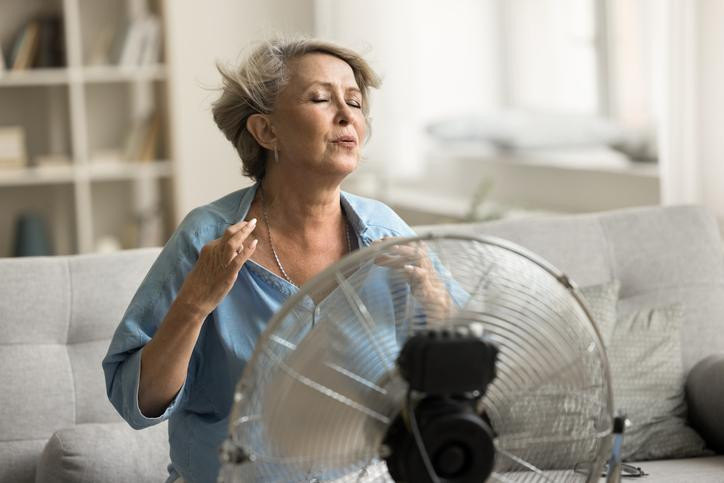
Extreme heat endangers older adults: What to know and do
The surge in heat waves and extreme heat poses serious health risks for everyone but is a particular worry for older adults. What can you do to manage heat-related risks, especially if you have existing health conditions or take certain medications?

My calcium score is over 2,000. What's next?
People with very high calcium scores (over 1,000) have a risk of heart attack or stroke similar to those who have already had a heart attack. They should take cholesterol-lowering drugs to bring down LDL levels and possibly undergo additional testing.

Pill form of popular weight-loss drug lowers heart risks
A 2025 study found that a pill version of the drug semaglutide, marketed as Rybelsus, can lower the risk for serious heart problems in people who have diabetes as well as cardiovascular disease, kidney disease, or both.

Even a "weekend warrior" exercise pattern can lower heart risks
A 2025 study suggests that squeezing a week's worth of exercise (150 minutes) into just one or two days - a "weekend warrior" pattern - is linked to the same heart benefits as daily exercise.

Do you have metabolic syndrome?
Metabolic syndrome is defined as having at least three of the following: abdominal obesity, high blood triglyceride levels, high blood pressure, high blood sugar levels, and low HDL cholesterol levels. The condition significantly increases the risk for cardiovascular disease, diabetes, kidney disease, fatty liver disease, and sleep apnea. While each factor is problematic, the main driver is abdominal obesity, from visceral fat surrounding internal organs. The best way to reduce visceral fat is aerobic exercise, strength training, and a plant-based diet.

Midlife pressure surge
High blood pressure means that blood pushes against artery walls more forcefully than normal. Women's blood pressure is typically lower than men's until around age 60. An estimated 41% of women develop high blood pressure after menopause. High blood pressure increases people's risks of heart attack, stroke, kidney disease, and other problems. Factors that increase women's risk of high blood pressure at midlife include menopause, elevated sympathetic nerve activity, weight gain and redistribution, stress, and genetics.

Cannabis and heart concerns: A closer look
Cannabis use is rising among older adults, who mostly use cannabis edibles such as gummies for relaxation and sleep. While smoking cannabis may raise heart attack risk, the cardiac effects of consuming cannabis in food or drinks are less well understood. Taking too much cannabis can lead to a panic attack, which can cause a pounding heart or palpitations. People who use cannabis should take it only as needed to relieve symptoms, using the lowest possible dose.
People who walk more or walk faster live longer, study finds
For sleep apnea, a dental device may be as effective as CPAP
Rosacea treatments: What works?
Carb cycling: What is it, and does it work?
Understanding orthorexia: Have your healthy eating goals gone too far?
Melatonin or magnesium: Can either supplement help you sleep?
Salmonella, E. coli, Cyclospora, and other germs that cause food poisoning: What you need to know
Naturally gluten-free foods
Harvard study: Healthier fats linked to longer life after prostate cancer diagnosis
Shingrix shingles vaccine linked with lower heart disease risks
Free Healthbeat Signup
Get the latest in health news delivered to your inbox!
Sign Up
