

People who walk more or walk faster live longer, study finds

For sleep apnea, a dental device may be as effective as CPAP

Rosacea treatments: What works?

Carb cycling: What is it, and does it work?

Understanding orthorexia: Have your healthy eating goals gone too far?

Salmonella, E. coli, Cyclospora, and other germs that cause food poisoning: What you need to know

Melatonin or magnesium: Can either supplement help you sleep?

Naturally gluten-free foods

Shingrix shingles vaccine linked with lower heart disease risks

Harvard study: Healthier fats linked to longer life after prostate cancer diagnosis
Heart Health Archive
Articles

Four keys to prevent cardiovascular disease
Are you doing everything you can to keep your heart healthy?
After decades of steady decline, the number of deaths from cardiovascular disease (CVD) has risen over the past few years, according to the American Heart Association.
The good news is that an estimated 80% of all CVD cases — heart disease, heart attack, heart failure, and stroke — can be prevented. The key is to control high blood pressure and high cholesterol and to maintain healthy habits, such as exercising regularly, eating a plant-based diet, getting enough sleep, and not smoking.
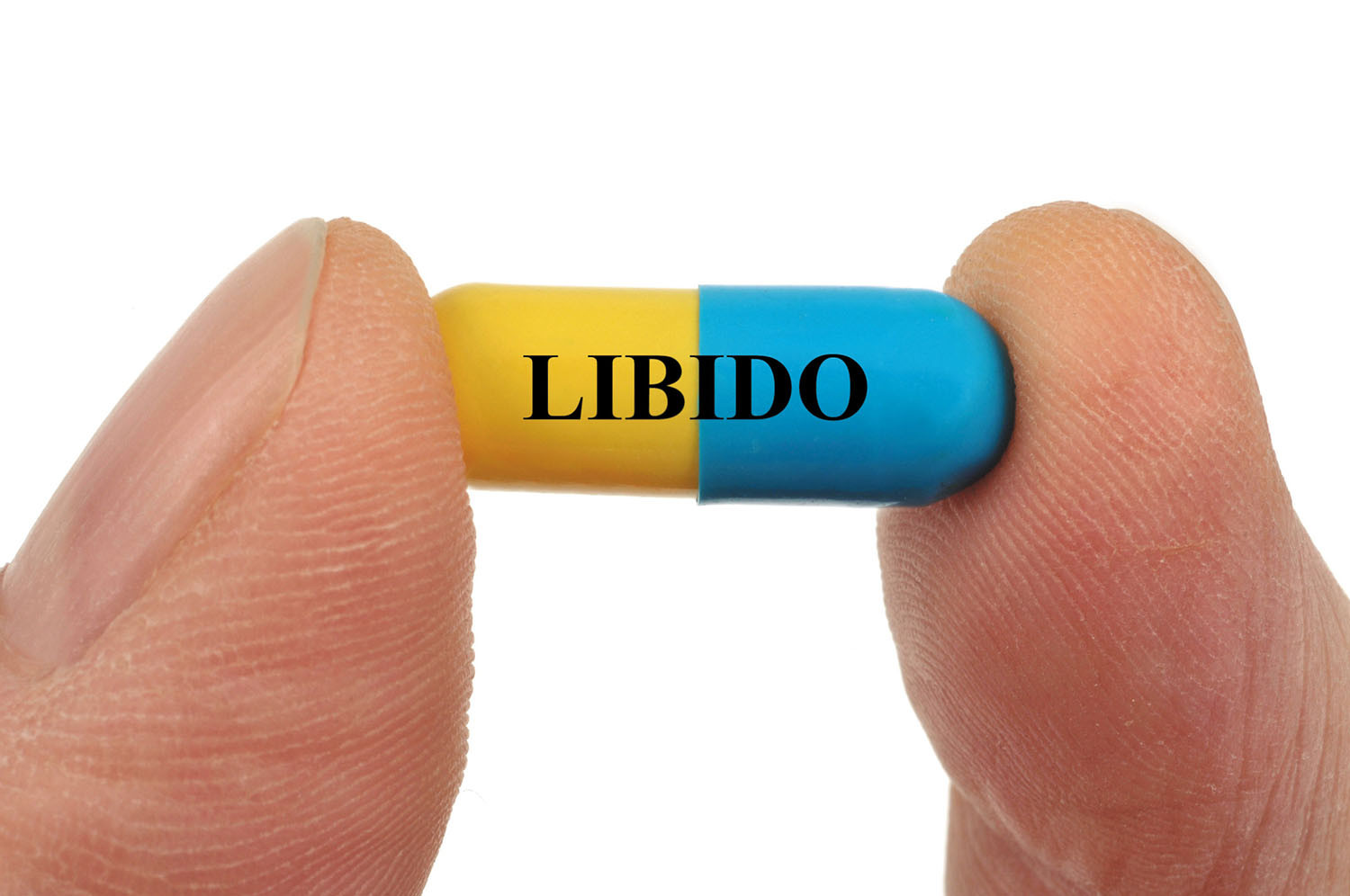
Can blood pressure medications interfere with my sex drive?
On call
Q. I know that erectile dysfunction can be a common side effect of blood pressure medications, but can they also lower my sex drive?
A. Sexual issues are a side effect of many medications, including ones prescribed to lower blood pressure. You're correct that erectile dysfunction (ED) is mentioned most frequently. But blood pressure medicines also can decrease sexual drive or make it more difficult to reach orgasm.

Why do I get weak after a bowel movement?
On call
Q. After I have a bowel movement I sometimes get quite weak and have to lie down until the feeling passes. Why does this happen and is it cause for concern?
A. The sensation you are describing is most likely due to a reflex called a "vasovagal reaction." Here's what I mean.

How a good night's sleep might help your heart
Research we're watching
Sleep has long been known to help protect you against heart disease, and researchers now think they know at least one reason why. A study published online February 13 by the journal Nature looked at how sleep duration and quality relates to the buildup of damaging plaque in the arteries.
Harvard Medical School researchers found that a lack of good sleep boosts the body's production of inflammatory white blood cells that earlier research has linked to fatty buildup in the arteries. This could help explain why sleep problems can lead to arterial buildup. Poor sleep is linked not only to clogged arteries, but also to a host of chronic health conditions, such as cancer, obesity, and diabetes — all good reasons to make sure you get your z's.


Ask the doctor: Does prednisone increase blood pressure?
Q. I have rheumatoid arthritis, and my doctor wants me to take prednisone for it. Will prednisone be bad for my blood pressure, which is already high?
A. Prednisone raises blood pressure in many people who take it. One reason is that prednisone and other corticosteroids cause the body to retain fluid. Extra fluid in the circulation can cause an increase in blood pressure.

Ask the doctor: Is vinegar good for the arteries?
Q. I've heard that apple cider vinegar can clean out the arteries. Is there any truth to that?
A. If you believe the stories written about apple cider vinegar, it is a miracle cure for just about anything that ails you, from curbing the appetite to detoxifying the body, boosting the immune system, treating arthritis, and improving circulation. That's a tall order for a brew made from fermented apples. But there's no evidence to back up most of these apple cider vinegar claims.

Should I worry about my fast pulse?
Q. My pulse is usually on the fast side. Does a high heart rate mean I have a problem with my heart?
A. In otherwise healthy people, I don't usually worry about the heart rate unless it is consistently above 100 beats per minute at rest. Heart rates that are consistently above 100, even when the patient is sitting quietly, can sometimes be caused by an abnormal heart rhythm. A high heart rate can also mean the heart muscle is weakened by a virus or some other problem that forces it to beat more often to pump enough blood to the rest of the body.
People who walk more or walk faster live longer, study finds
For sleep apnea, a dental device may be as effective as CPAP
Rosacea treatments: What works?
Carb cycling: What is it, and does it work?
Understanding orthorexia: Have your healthy eating goals gone too far?
Salmonella, E. coli, Cyclospora, and other germs that cause food poisoning: What you need to know
Melatonin or magnesium: Can either supplement help you sleep?
Naturally gluten-free foods
Shingrix shingles vaccine linked with lower heart disease risks
Harvard study: Healthier fats linked to longer life after prostate cancer diagnosis
Free Healthbeat Signup
Get the latest in health news delivered to your inbox!
Sign Up
