

People who walk more or walk faster live longer, study finds

For sleep apnea, a dental device may be as effective as CPAP

Rosacea treatments: What works?

Carb cycling: What is it, and does it work?

Understanding orthorexia: Have your healthy eating goals gone too far?

Salmonella, E. coli, Cyclospora, and other germs that cause food poisoning: What you need to know

Melatonin or magnesium: Can either supplement help you sleep?

Naturally gluten-free foods

Shingrix shingles vaccine linked with lower heart disease risks

Harvard study: Healthier fats linked to longer life after prostate cancer diagnosis
Heart Health Archive
Articles

When and how to treat a leaky mitral valve
Symptoms, heart measurements guide the need for mitral valve surgery.
The heart is a marvel of biological engineering. Four strategically placed valves ensure that every contraction propels blood forward with little or no backflow. On the right side of the heart, the tricuspid and pulmonary valves direct the orderly flow of blood; on the left side, the mitral and aortic valves. Although all four valves are essential for good health, we focus on the mitral valve and mitral valve regurgitation in this article.
If the mitral valve is damaged or becomes misaligned, it can't close completely with each heartbeat. Some blood spurts backward with each contraction. This backflow, called mitral regurgitation, puts a strain on the heart. It can provoke symptoms such as breathlessness and fatigue and lead to atrial fibrillation or heart failure.

Managing atrial fibrillation: An update
New guidelines provide advice on the role of drugs, weight loss, and procedures to cope with this common heart rhythm disorder.
The classic symptom of atrial fibrillation — a fluttering or thumping sensation in the chest — can leave you breathless, dizzy, and tired. Caused by electrical misfires in the heart's upper chambers (atria), this condition affects an estimated one in 11 people ages 65 and older.
While the symptoms of atrial fibrillation (often called afib) can be unsettling, the real danger is a heightened risk of serious strokes (see "How afib can lead to a stroke"). As many as 30% of strokes from afib prove fatal, notes Dr. Christian Ruff, a cardiologist at Harvard-affiliated Brigham and Women's Hospital.

What is diastolic dysfunction?
Ask the doctor
Q. I had an echocardiogram and the report says I have mild diastolic dysfunction. What does that mean?
A. Diastolic dysfunction means that your heart is having trouble relaxing between beats. Every heartbeat has two distinct phases: when the heart contracts and pushes blood out to the body (the systolic phase) and when the heart relaxes and refills with blood (the diastolic phase).

Fermented foods: Favorable for heart health?
So far, the evidence that foods and drinks rich in good bacteria can improve cardiovascular health is promising but limited.
A number of foods — yogurt, sauerkraut, as well as some less-familiar ones such as kimchi and tempeh — are made by fermentation, an age-old tradition for preserving food. These foods, as well as the fermented drinks kombucha and kefir, have been getting buzz in recent years, mostly focused on their potential to enhance gut health. Fermented products contain naturally occurring beneficial bacteria known as probiotics, which are thought to improve digestion.
Probiotics found in fermented foods may also provide modest heart-related benefits, according to a review article published in the Journal of the American College of Cardiology last year. One study found that eating kimchi (see "What are fermented foods?") daily helped people lose weight and lowered their blood pressure. Another noted improvement in blood sugar and cholesterol levels.

To elevate your exercise routine, head outside
Walking or hiking in a natural area may benefit your heart more than working out indoors.
For many people, summer's long days and warm weather make it a great time to exercise outdoors. And that just might be a great way to boost the rewards from your workout, says Dr. Edward Phillips, assistant professor of physical medicine and rehabilitation at Harvard Medical School.
"When you're moving your body, your heart, lungs, and muscles don't know or care where you are. But your mind does," says Dr. Phillips. And if you're exercising outdoors in a beautiful natural setting, you might be tempted to go a little farther than if you set out to walk for just 30 minutes around your neighborhood, he notes. "Some people say it's hard to rack up 7,000 steps a day walking a familiar route. But they often find they can go twice as far on a hike, especially if there's a nice vista at the destination," he says. If you choose a trail that includes some hills, which will force your heart to work harder, that will also increase your fitness.

Sugary drinks linked to higher risk of dying from heart disease
Research we're watching
Frequently drinking sugary beverages such as sodas and sports drinks may raise a person's risk of dying from heart disease, new research finds.
For the study, published in the March 18 issue of Circulation, researchers analyzed data from more than 118,000 health professionals over a period of more than three decades. After adjusting for other diet, health, and lifestyle factors, they found that the more sugary drinks people consumed, the higher their risk of dying from any cause — but especially cardiovascular disease. Compared with people who rarely drank sugar-sweetened beverages, those who drank two or more per day were about one-third more likely to die of heart disease or a stroke.

Heart attacks: Less frequent and less deadly than 20 years ago
Research we're watching
Fewer older adults are having heart attacks, and more are surviving them, according to a study published March 15 in JAMA Network Open.
Researchers analyzed data from more than 4.3 million people ages 65 and older who had suffered heart attacks over a 20-year period beginning in 1995. Back then, 20% of those included in the study died from their heart attacks. By 2014, that number had fallen to 12%.

Positive outlook linked to better outcomes after angina
Research we're watching
People with chest pain caused by narrowed heart arteries (angina) who report feeling hopeful about their condition seem to fare better than those who are less optimistic, new research finds.
The study, published May 1 in the American Journal of Cardiology, included nearly 2,400 people with chronic angina who had undergone a procedure to open at least one narrowed heart artery (known as revascularization). More than half rated themselves as optimistic or very optimistic, and most stayed positive over the following 12 months. During that time, they were about 40% less likely to be hospitalized or to need another revascularization compared with people who were less optimistic, even after researchers accounted for other illnesses and angina frequency.
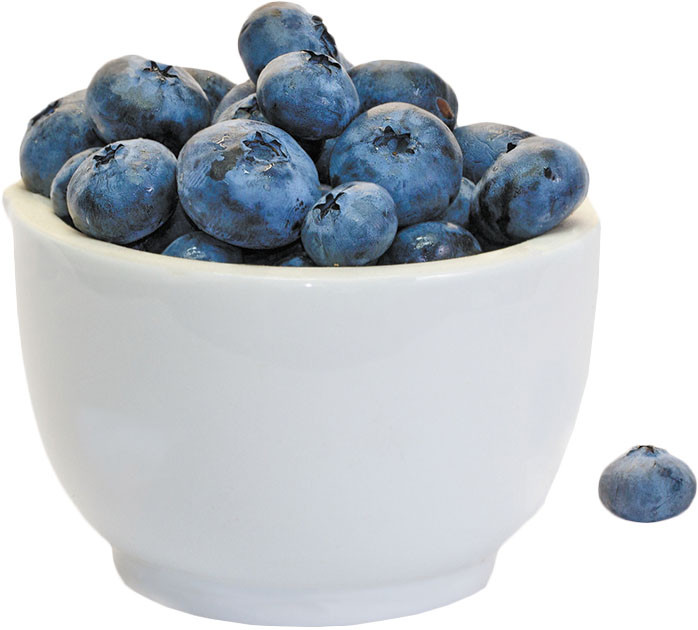
Blueberries may help lower blood pressure
In the journals
Eating a cup of blueberries every day may help your blood pressure, suggests a new study. The results, published online Feb. 16, 2019, by The Journals of Gerontology, Series A: Biological Sciences and Medical Sciences, found that consuming 200 grams of blueberries (about one cup) daily can improve blood vessel function and decrease systolic blood pressure (the top number in a blood pressure reading).
Researchers recruited 40 healthy men and randomly gave them either a drink containing 200 grams of whole wild blueberries or a control drink (which looked and tasted much the same) every day for a month. The team also monitored the men's blood pressure as well as the flow-mediated dilation of the brachial artery in their upper arms. This measures how the artery widens when blood flow increases and is a marker of reduced cardiovascular disease risk.
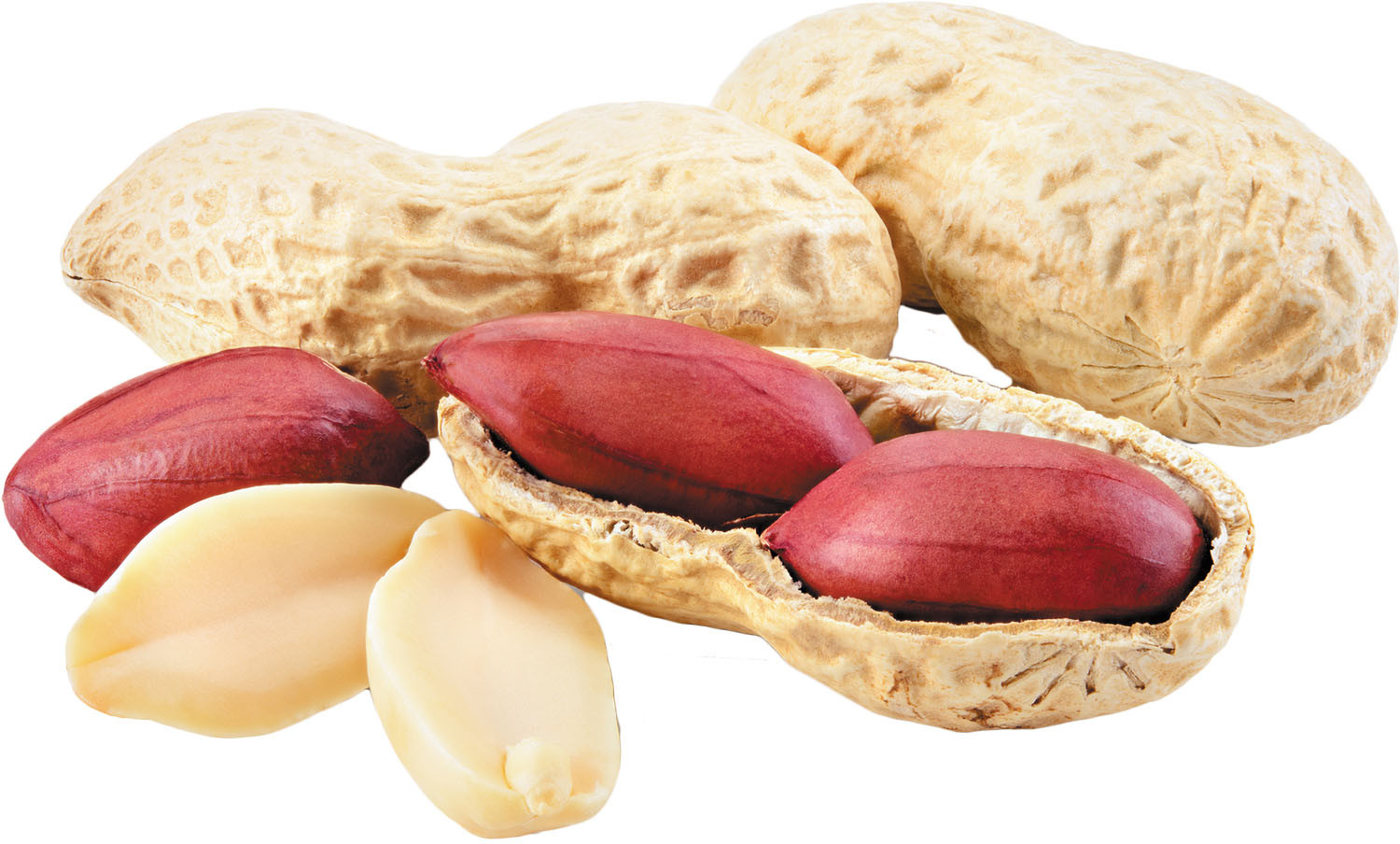
Legume of the month: Peanuts
Even though "nut" is in its name, a peanut is actually a legume. Like soybeans, lentils, and other legumes, peanuts are edible seeds that grow in pods. Still, most people think of them as nuts, along with tree nuts such as walnuts, almonds, and hazelnuts. (Unlike other legumes, which grow on vines or shrubs, peanuts grow underground.)
Nutritionally speaking, peanuts and tree nuts are fairly similar: they're all rich in healthy unsaturated fats and fiber, as well as several vitamins and minerals. Numerous studies suggest that people who eat peanuts or tree nuts frequently have lower rates of heart disease compared with people who rarely eat them. One added bonus for peanuts: they're not as pricey as tree nuts, making them a more affordable addition to your daily menu.
People who walk more or walk faster live longer, study finds
For sleep apnea, a dental device may be as effective as CPAP
Rosacea treatments: What works?
Carb cycling: What is it, and does it work?
Understanding orthorexia: Have your healthy eating goals gone too far?
Salmonella, E. coli, Cyclospora, and other germs that cause food poisoning: What you need to know
Melatonin or magnesium: Can either supplement help you sleep?
Naturally gluten-free foods
Shingrix shingles vaccine linked with lower heart disease risks
Harvard study: Healthier fats linked to longer life after prostate cancer diagnosis
Free Healthbeat Signup
Get the latest in health news delivered to your inbox!
Sign Up
