

Salmonella, E. coli, Cyclospora, and other germs that cause food poisoning: What you need to know

Understanding orthorexia: Have your healthy eating goals gone too far?

Melatonin or magnesium: Can either supplement help you sleep?

Naturally gluten-free foods

Harvard study: Healthier fats linked to longer life after prostate cancer diagnosis

Shingrix shingles vaccine linked with lower heart disease risks

Estrogen-only hormone therapy tied to lower dementia risk

Should you have a hysterectomy?

Stair climbing may significantly lower cardiovascular risks

Walking pneumonia: The "mild" illness that can still pack a punch
Foodborne illness Archive
Articles

Mouth-watering summer fruits and vegetables to fill your plate
Summer is the perfect time to incorporate more fruits and vegetables into your meals. Packed with health-promoting nutrients, many can be prepared without needing to use your stove or oven. And there are lots of ways to use them besides just making salads.
Healthier plant-based diet tied to lower risk of dementia
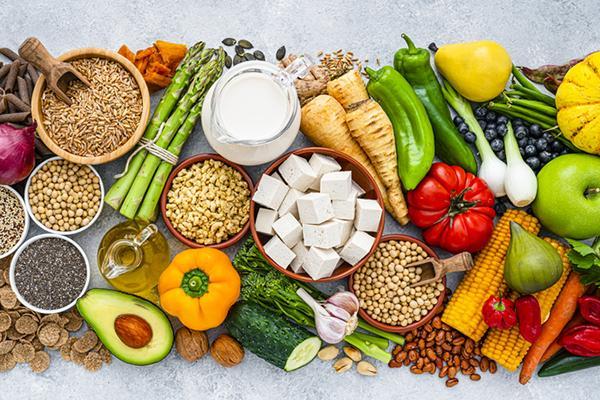
A 2026 study suggested that people who eat healthier plant-based diets, which prioritize whole grains, fruits, vegetables, and legumes, have a lower risk of developing dementia than people who eat a plant-based diet that includes more refined grains, fruit juices, and added sugars.
Quiz: When does food contribute to inflammation?
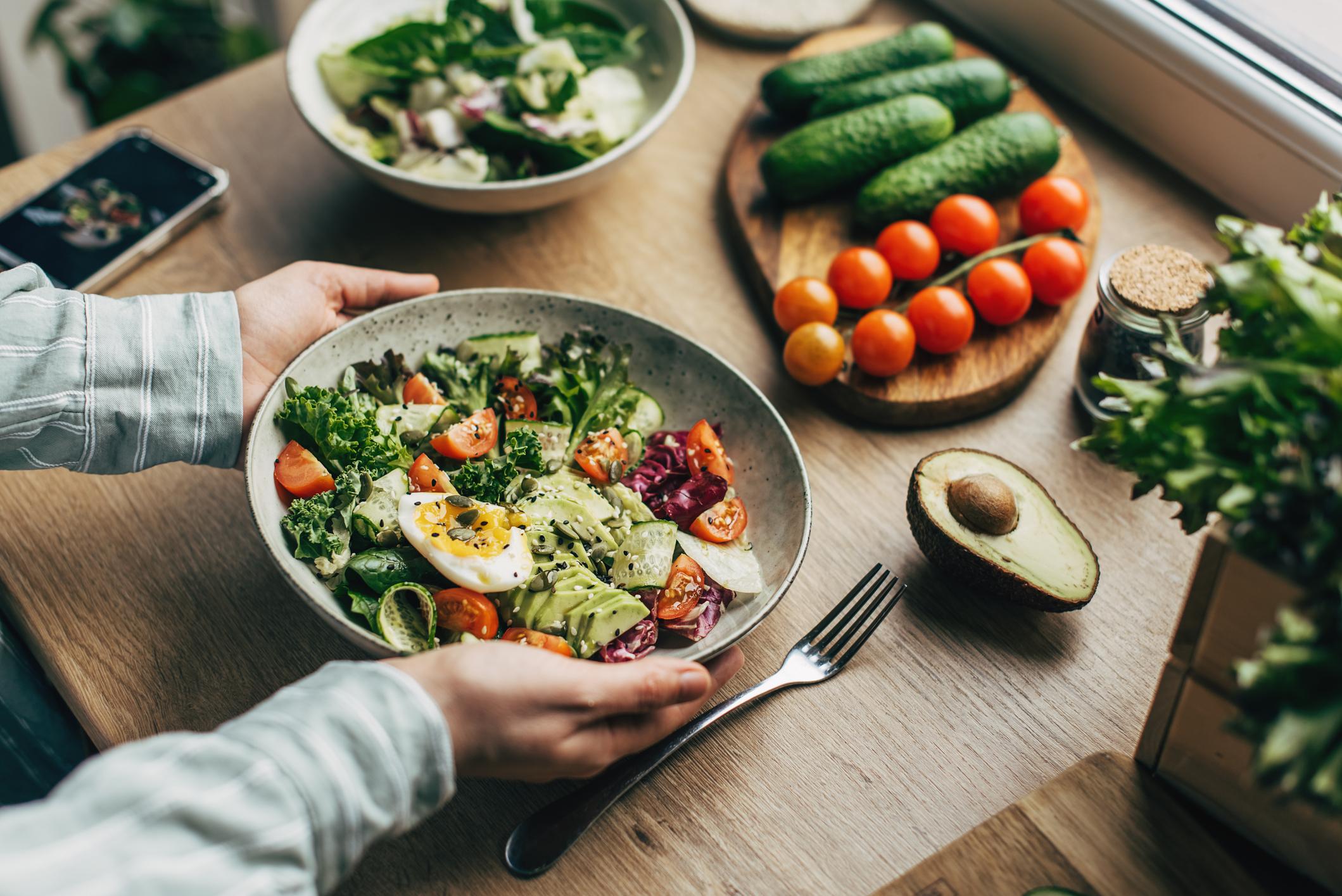
In this quiz, test your knowledge of which foods can nourish your body and help prevent disease, and which foods can play an inflammatory role in the body.
For a healthy diet, focus on food quality
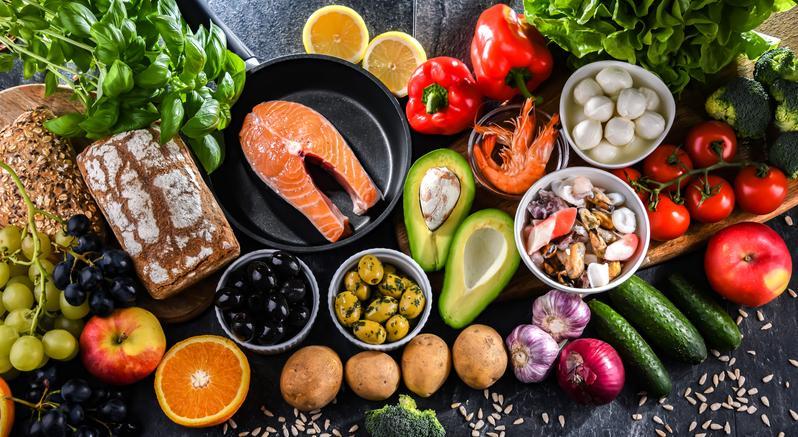
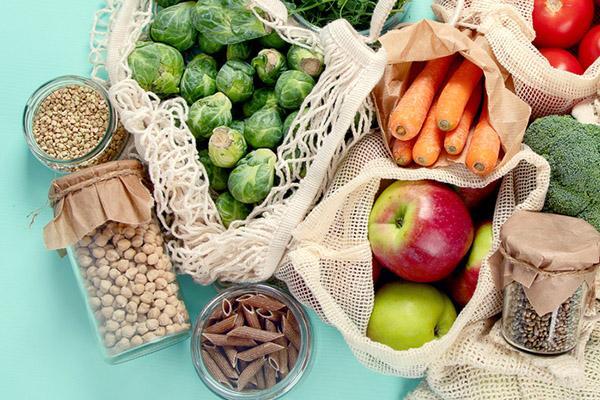
Research suggests that when it comes to your overall health, opting for higher-quality, minimally processed foods over lower-quality, nutrient-poor foods is key—and perhaps even more important than the amounts or proportions of foods you eat. Small, consistent food swaps can make a big difference.

A practical guide to the Mediterranean diet
Making small, gradual changes to your eating habits and patterns is an easy way to incorporate the Mediterranean diet approach into your life.

4 essential nutrients — are you getting enough?
The latest update to the Dietary Guidelines for Americans states that many people are not getting enough of four essential nutrients: calcium, potassium, dietary fiber, and vitamin D. But how much of these nutrients should you aim for and what are some good sources for them?

Why eat lower on the seafood chain?
Cutting back on red meat and replacing it with poultry or seafood is a good choice because those are healthier sources of protein - and better for the environment. Choosing seafood that is lower on the food chain can amplify those benefits.
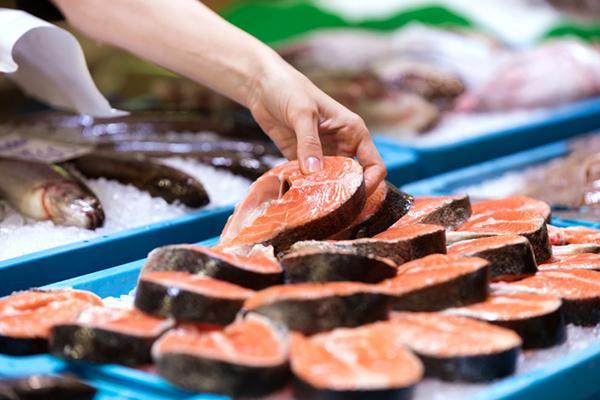
Eating more fish may help prevent macular degeneration
A study pooling data from more than 180,000 adults found that consuming more omega-3 fats (as found in fatty fish) was linked to 18% lower odds of age-related macular degeneration (AMD). Regularly eating omega-3-rich seafood may be a reasonable strategy for reducing the risk of AMD.
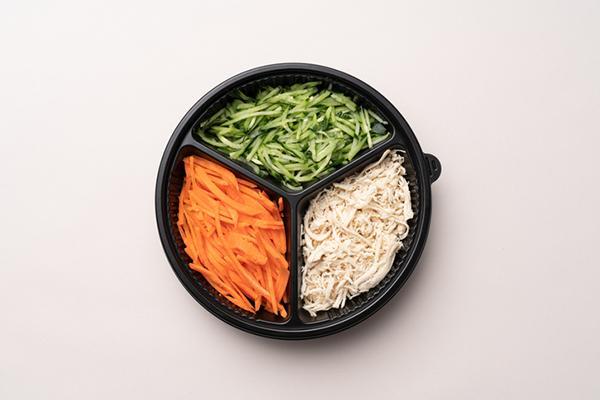
Is food sequencing worth a try?
Food sequencing calls for eating vegetables and protein before carbohydrates to help stabilize blood sugar and control appetite. Research suggests this pattern may reduce blood sugar spikes and lower hunger hormones, and it may naturally lead to eating fewer carbohydrates.
Salmonella, E. coli, Cyclospora, and other germs that cause food poisoning: What you need to know
Understanding orthorexia: Have your healthy eating goals gone too far?
Melatonin or magnesium: Can either supplement help you sleep?
Naturally gluten-free foods
Harvard study: Healthier fats linked to longer life after prostate cancer diagnosis
Shingrix shingles vaccine linked with lower heart disease risks
Estrogen-only hormone therapy tied to lower dementia risk
Should you have a hysterectomy?
Stair climbing may significantly lower cardiovascular risks
Walking pneumonia: The "mild" illness that can still pack a punch
Free Healthbeat Signup
Get the latest in health news delivered to your inbox!
Sign Up
