

Salmonella, E. coli, Cyclospora, and other germs that cause food poisoning: What you need to know

Understanding orthorexia: Have your healthy eating goals gone too far?

Melatonin or magnesium: Can either supplement help you sleep?

Naturally gluten-free foods

Harvard study: Healthier fats linked to longer life after prostate cancer diagnosis

Shingrix shingles vaccine linked with lower heart disease risks

Estrogen-only hormone therapy tied to lower dementia risk

Should you have a hysterectomy?

Stair climbing may significantly lower cardiovascular risks

Walking pneumonia: The "mild" illness that can still pack a punch
Foodborne illness Archive
Articles

What is the "gout diet"?
A plant-forward, varied diet can help people manage gout. Other helpful steps are to lose weight if needed, stay hydrated, avoid overeating and excessive alcohol, and take medications as prescribed. Small, sustainable changes can mean fewer flares and better quality of life.
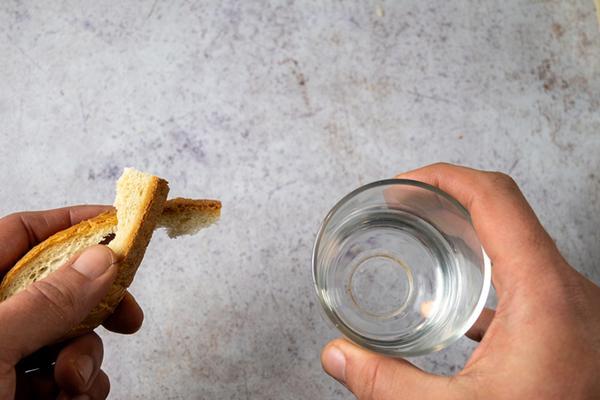
How to increase appetite
Appetite tends to decline with age, but this can lead to unwanted weight loss and frailty. Tips to boost a weak appetite include eating smaller, more frequent meals; prioritizing protein; staying active; making meals social and pleasurable; and relaxing overly strict dietary rules.

Want to try veganism? Here's how to get started
Some people decide to adopt a vegan diet because of concerns about the health effects of eating animal products; for others it's more about concern for animal welfare and the environment. Regardless of the motivation, those who want to make this change should anticipate potential pitfalls and be aware of issues specific to vegan eating.
Vitamin B6 flies under the radar: Are you getting enough?
Vitamin B6 helps with the body's enzyme reactions, immune system health, brain chemicals, and more, but it doesn't get a lot of attention. The body can't synthesize it, so people need to get it from food, and a recent study found that a surprisingly high percentage of people may be deficient in vitamin B6.
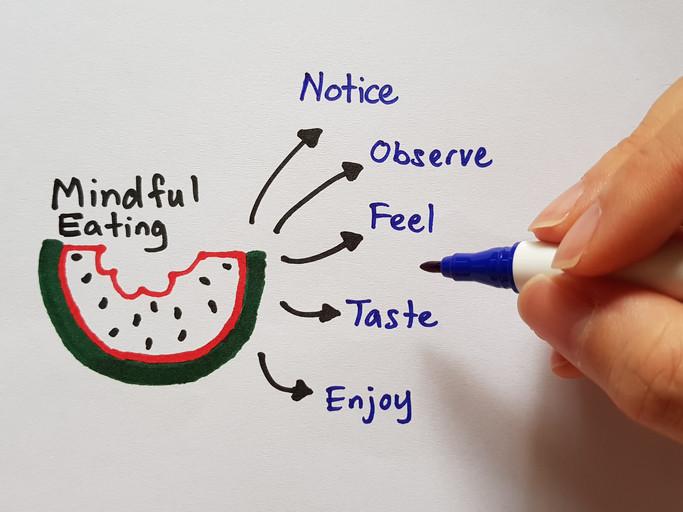
Overeating? Mindfulness exercises may help
It's possible to overeat and not even realize it until you've finished a meal and doing so does not mean you have an eating problem or disorder. Mindfulness exercises can help you slow down and enjoy eating, making it easier to avoid overeating.

How can I turn my favorite muffins into a healthier treat?
Portion size, flour swaps, healthy oils, spices, fruits, and nuts can all transform a typical muffin into a healthier treat. Explore simple tweaks that boost nutrition.
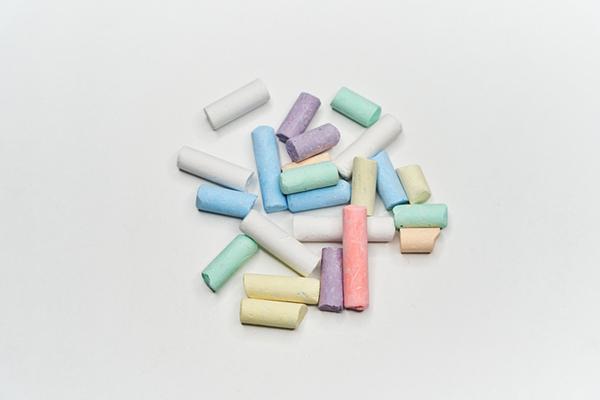
What would explain a craving to eat chalk?
Persistent cravings for nonfood items like chalk can hint at an underlying nutritional problem that needs testing.

How much protein does an athlete need?
Protein supplements promise muscle gains. But your kidneys must handle what your body can't use. Learn how to estimate daily needs and weigh supplement choices.

Is it healthier to graze throughout the day or eat three meals?
Meal timing matters less than calorie balance and food quality. For some conditions, though, smaller, more frequent portions may offer advantages.
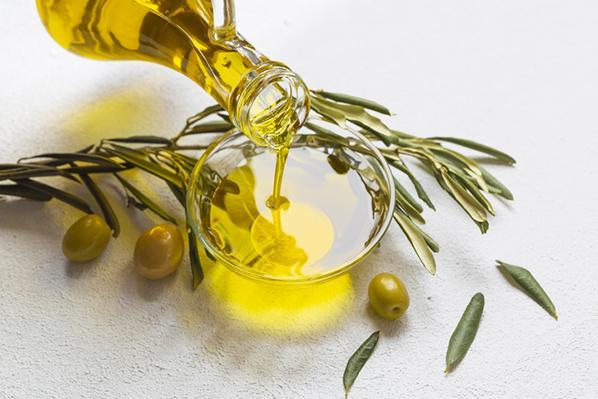
Is extra virgin olive oil better for your heart than regular olive oil?
Olive oil is a staple of the Mediterranean diet. Does "extra-virgin" offer special heart benefits beyond what regular olive oil can do?
Salmonella, E. coli, Cyclospora, and other germs that cause food poisoning: What you need to know
Understanding orthorexia: Have your healthy eating goals gone too far?
Melatonin or magnesium: Can either supplement help you sleep?
Naturally gluten-free foods
Harvard study: Healthier fats linked to longer life after prostate cancer diagnosis
Shingrix shingles vaccine linked with lower heart disease risks
Estrogen-only hormone therapy tied to lower dementia risk
Should you have a hysterectomy?
Stair climbing may significantly lower cardiovascular risks
Walking pneumonia: The "mild" illness that can still pack a punch
Free Healthbeat Signup
Get the latest in health news delivered to your inbox!
Sign Up
