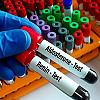
Aldosterone overload: An underappreciated contributor to high blood pressure

Can you retrain your brain to stop excessive drinking?

Beyond statins: New ways to lower LDL cholesterol
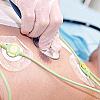
What is a cardioversion procedure?

For now, electric cars appear safe for people with implanted heart devices

Can you stop blood thinners after an ablation for atrial fibrillation?

Reversing prediabetes may slash heart disease risk by half
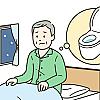
Waking up to urinate at night affects blood pressure

Finding and fixing a stiff, narrowed aortic valve
VO2 max: What it is and how you can improve it
Exercise & Fitness Archive
Articles

Is a "normal" blood pressure reading too high for women?

Coming out of COVID

No equipment necessary

Pandemic weight gain: Not your imagination

Have a safe trip!

Plant-based diet quality linked to lower stroke risk
People who ate healthy plant-based foods had a 10% reduction in stroke risk, compared with people who ate unhealthy plant-based foods, according to a Harvard study published online March 10, 2021, by the journal Neurology.


Fight chronic inflammation and cholesterol to protect your heart
It takes a one-two punch to lower these risks for heart disease, heart attack, and stroke.
High cholesterol has long been known as a bad actor in heart health. Too much LDL (bad) cholesterol in your blood can lead to fatty deposits in your arteries and the formation of artery-narrowing plaque (atherosclerosis), heart attacks, and strokes.
But LDL doesn't act alone. Chronic inflammation — a persistent activation of the immune system — also fuels heart attack and stroke risks. That means you must address both high LDL levels and chronic inflammation to protect your health.

The 3 main options for physical rehabilitation
Inpatient, outpatient, and at-home rehab all aim to restore your function and independence.
Have shoulder pain? Recovering from traumatic illness, surgery, or a bad fall? Your doctor may well recommend physical rehabilitation or physical therapy to get you back to your daily routine and the activities you love. There are several options available, depending on your needs.
1. Inpatient rehab
Inpatient rehab is prescribed after a hospital stay, when you're not well enough to go home. It offers comprehensive care from doctors, nurses, therapists, and other health professionals. There are two types of this rehab.
Aldosterone overload: An underappreciated contributor to high blood pressure
Can you retrain your brain to stop excessive drinking?
Beyond statins: New ways to lower LDL cholesterol
What is a cardioversion procedure?
For now, electric cars appear safe for people with implanted heart devices
Can you stop blood thinners after an ablation for atrial fibrillation?
Reversing prediabetes may slash heart disease risk by half
Waking up to urinate at night affects blood pressure
Finding and fixing a stiff, narrowed aortic valve
VO2 max: What it is and how you can improve it
Free Healthbeat Signup
Get the latest in health news delivered to your inbox!
Sign Up