

Healing after food poisoning

What is tempeh? Benefits, nutrition, and how to use it

Light exposure at night may raise risk for heart disease

Whole grains may improve several heart risk factors at once

A lumbar belt may help ease low back pain

Children of centenarians may stay healthier and live longer too, study finds

Signs of pneumonia: Sometimes vague and unexpected

The surprising link between ovarian cancer and the fallopian tubes

Using a vibration plate: What it can — and can't — do for your body

People who walk more or walk faster live longer, study finds
Energy and Fatigue Archive
Articles

Chronic pain linked to higher risk of heart attack and stroke
Research we're watching
People with chronic pain may be more likely to have a heart attack or stroke than those without chronic pain, according to a study published online May 7, 2020, by the journal Pain Medicine.
From 2001 to 2005, researchers identified 17,614 Taiwanese people who had used pain relievers for at least three months. The most common causes of pain were spinal disorders, arthritis, and headaches; the pain relievers included both over-the-counter drugs and prescription opioids. For the comparison group, researchers used 35,228 people without chronic pain who were matched by age and sex to those in the first group.

Relief for sore backsides
You can ease the pain of sitting too much by getting up and moving around. Try these stretches and exercises.
An excess of inactivity isn't just bad for overall health; it can literally be a pain in the butt. You could end up with a sore backside if you sit at a desk all day long, if you're confined to a wheelchair, if you sit on hard surfaces for long periods, or if you're simply not as active as you once were. Whatever the reason for rear-end pain, it's time to stand up and get a little relief.
What's causing your pain?
When you sit in a chair, you're resting on your ischial tuberosities, or "sit bones" — the bony prominences at the bottom of your pelvis. You're also placing lots of pressure on your lower back, nerves, muscles, tendons, and ischial bursae (fluid-filled sacs near the ischial bones). Sitting can aggravate (or in some cases cause) these common sources of buttocks pain.

To prevent cancer, boost your exercise and don’t drink
Research we're watching
Move your body more and skip the alcohol to reduce your risk of cancer, says the American Cancer Society in its new cancer prevention guidelines. The updated recommendations, published online June 9, 2020, by CA: A Cancer Journal for Clinicians, also recommend cutting down on sugar and red meat, based on a review of the most recent scientific evidence.
Specifically, the new guidelines say that instead of exercising moderately for 150 minutes a week or doing 75 minutes of vigorous activity, adults should try to squeeze in 150 to 300 minutes of moderate activity or 75 to 150 minutes of vigorous activity — and that the higher number should be the target. As for diet, people interested in reducing their risk of cancer should aim to eat more plants, including whole (not refined) grains and at least two-and-a-half cups of colorful fruits and vegetables each day, and less sugar and meat (specifically limiting processed and red meat whenever possible). In the past, the ACS recommended moderate alcohol intake, but the new guideline says it's better to avoid alcohol altogether if possible. People who do drink should still stick to the previous recommended limits: no more than one drink a day for women and two drinks a day for men.

The mental side of cardiac rehab
If you have experienced a heart attack or undergone a heart procedure, don't neglect your mental health during recovery.
Recovery from a heart attack, heart failure, angioplasty, or heart surgery — what doctors call heart events — can be stressful. Depending on your condition, it may also involve cardiac rehabilitation. This medically supervised program focuses on exercise, diet, and lifestyle changes. While the primary focus is to help you physically, you also need to address your mental and emotional health.
"It's normal to have some anxiety and stress after a heart attack or heart surgery," says Dr. Christopher Celano, assistant professor of psychiatry at Harvard-affiliated Massachusetts General Hospital. "But how long these feelings linger, and whether they are also associated with symptoms of depression, can affect your rehab recovery success and potentially increase your risk of future problems."

Home gym advantage
In many places, gyms are opening after shutting down due to the COVID pandemic, but your home may still be the ideal place to maintain your fitness.
As gyms and fitness centers reopen, they must follow strict guidelines for sanitation, social distancing, occupancy, and more. Even if these facilities are considered safe by most standards, their patrons still may not feel comfortable, especially older adults and others who are at a higher risk for COVID.
So how do you maintain your fitness when you can't follow your usual exercise routine?
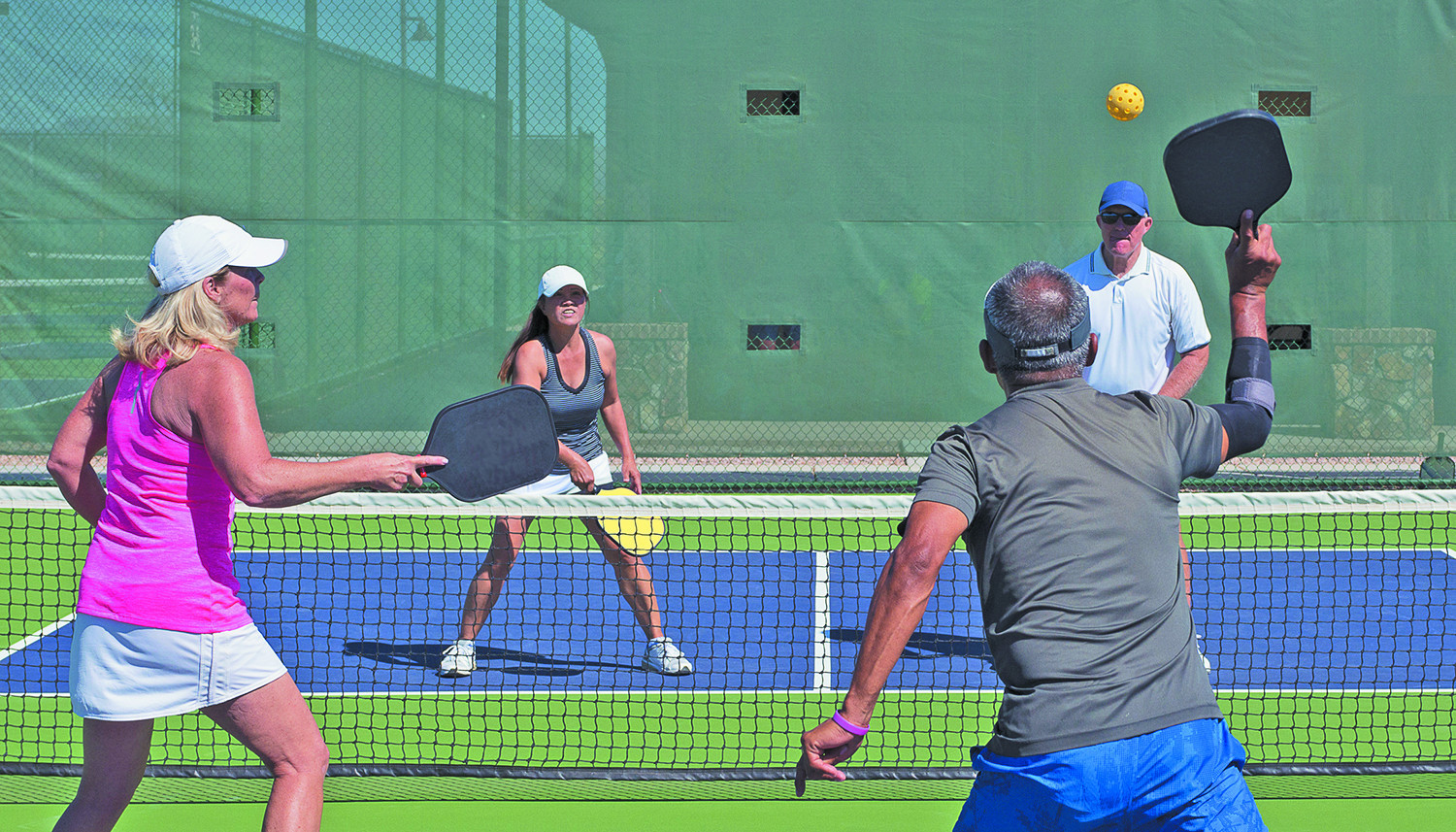
Racquet sports: A good way to ramp up your fitness
From badminton to pickleball to tennis, hitting objects across a net can be a fun, effective way to get in shape.
Looking for an exercise that gets your heart pumping and strengthens muscles in your legs, arms, and core? Tennis and other racquet sports can serve up all those benefits and more. In fact, several long-running studies have linked racquet sports to a lower risk of cardiovascular disease and a longer life.
"Playing tennis is an amazing workout. And no matter how good you are, you can have fun doing it," says Joe DiVincenzo, a physical therapist at Harvard-affiliated Spaulding Rehabilitation Hospital and former competitive tennis player. In general, racquet sports engage muscles throughout your upper and lower body, which challenges your heart. During a match, you do frequent, short bursts of high-intensity activity interspersed with less vigorous movements — a perfect example of interval training. Also known as HIIT (high-intensity interval training), this workout strategy seems to be a good way to boost cardiovascular fitness.

5 tips to help you stay healthy this winter
Even in an unusual year, tried-and-true strategies are still the best way to prevent illness.
Staying healthy is likely at the top of your list almost every winter. But this year, in the midst of a pandemic, it may be even more of a concern than usual. You might wonder: should you be taking special supplements to boost your immune system, or investing in cleaning devices to zap germs?
While the viral threats may be different from usual this year, the truth is that you should still be using many of the same strategies that you use in a typical year, says Michael Starnbach, a professor of microbiology at Harvard Medical School. Below are five of his top tips that can help you keep yourself and your loved ones safe.


Moderate-to-vigorous exercise may help prevent atrial fibrillation
Research we're watching
Regular, moderate-to-vigorous exercise may help prevent atrial fibrillation (afib), according to a study in the May 2020 issue of The American Journal of Cardiology.
Previous studies looking at the connection between afib (which causes a rapid, irregular heart rate) and exercise have produced conflicting results. But those studies relied on participants to self-report their exercise habits. For the new study, the 5,147 participants wore devices that measured their activity levels for four to seven consecutive days.
Healing after food poisoning
What is tempeh? Benefits, nutrition, and how to use it
Light exposure at night may raise risk for heart disease
Whole grains may improve several heart risk factors at once
A lumbar belt may help ease low back pain
Children of centenarians may stay healthier and live longer too, study finds
Signs of pneumonia: Sometimes vague and unexpected
The surprising link between ovarian cancer and the fallopian tubes
Using a vibration plate: What it can — and can't — do for your body
People who walk more or walk faster live longer, study finds
Free Healthbeat Signup
Get the latest in health news delivered to your inbox!
Sign Up
