

Healing after food poisoning

What is tempeh? Benefits, nutrition, and how to use it

Light exposure at night may raise risk for heart disease

Whole grains may improve several heart risk factors at once

A lumbar belt may help ease low back pain

Children of centenarians may stay healthier and live longer too, study finds

Signs of pneumonia: Sometimes vague and unexpected

The surprising link between ovarian cancer and the fallopian tubes

Using a vibration plate: What it can — and can't — do for your body

People who walk more or walk faster live longer, study finds
Energy and Fatigue Archive
Articles

Stiff and achy in the mornings? How to fix that
Often, feeling stiff and a little achy when you wake or during the day is related to periods of inactivity, perhaps while sleeping or parked in front of a computer. To counteract this, plan frequent movement breaks and try these stretches focusing on stiff or achy areas.

Obesity is still on the rise among American adults
Research we're watching
American adults are gaining weight, according to data from the CDC. Twelve U.S. states now have obesity rates of 35% or higher, compared with just six states in 2017 and nine states in 2018. Experts say the trend is particularly concerning because adults with obesity are more prone to severe outcomes from COVID-19.
According to the CDC report, racial and ethnic minority groups are disproportionately affected by obesity. Prevalence rates nationwide were

"Awe" walks inspire more joy, less distress
News briefs
Need a little inspiration? The next time you take a walk outside, note things that spark a sense of wonder or awe. That's what some older adults tried for a small study published online Sept. 21, 2020, by the journal Emotion. Of the 50 people who took part, half went for weekly 15-minute walks outdoors (alone) for eight weeks, and snapped "selfies" along the way. The other half took the same walks and selfies, but visited a new place each time. They were asked, especially, to note things that inspired a sense of awe — like tree colors or leaves underfoot softened by rain. Participants also answered surveys about the emotions they felt on walk and non-walk days. After analyzing responses and photos, scientists found that people who people took the "awe walks" reported less distress and increasing awe, joy, compassion, and gratitude, compared with people on the regular walks. Awe walkers also smiled more and made themselves smaller in their photos, focusing more on landscapes — a sign of a greater appreciation of the world around them. Try it yourself: On your next walk, imagine you're seeing things for the first time. What will inspire you? Perhaps a path lined with trees, the shore of a lake, or an up-close look at skyscrapers. Jot down your observations, and see if you feel a sense of wonder and joy. Happy trails!
Image: © Igor Alecsander/Getty Images
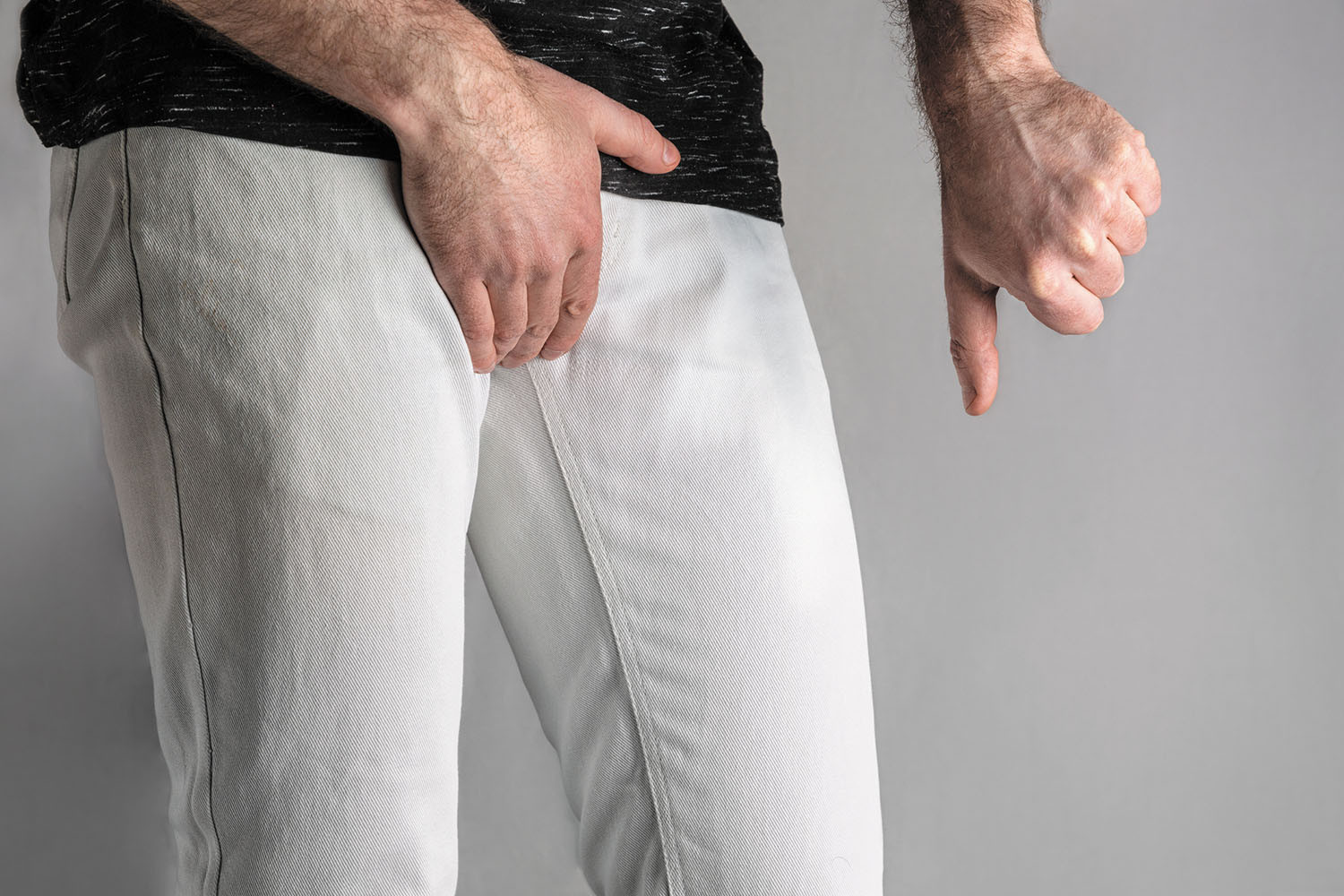
Unlocking the mystery of chronic pelvic pain syndrome
The condition is an all-too-real problem for men, and one of the more difficult to treat.
After age 50, men often have periods of discomfort "down there." It could be a cramping, aching, or throbbing pain in and around your pelvis and genitals. You also may have issues in the bedroom and bathroom. While the problems are real, the cause is often difficult to pinpoint.
It's called chronic pelvic pain syndrome (CPPS) — also known as chronic prostatitis — and it's one of the most puzzling and difficult-to-manage conditions for older men.
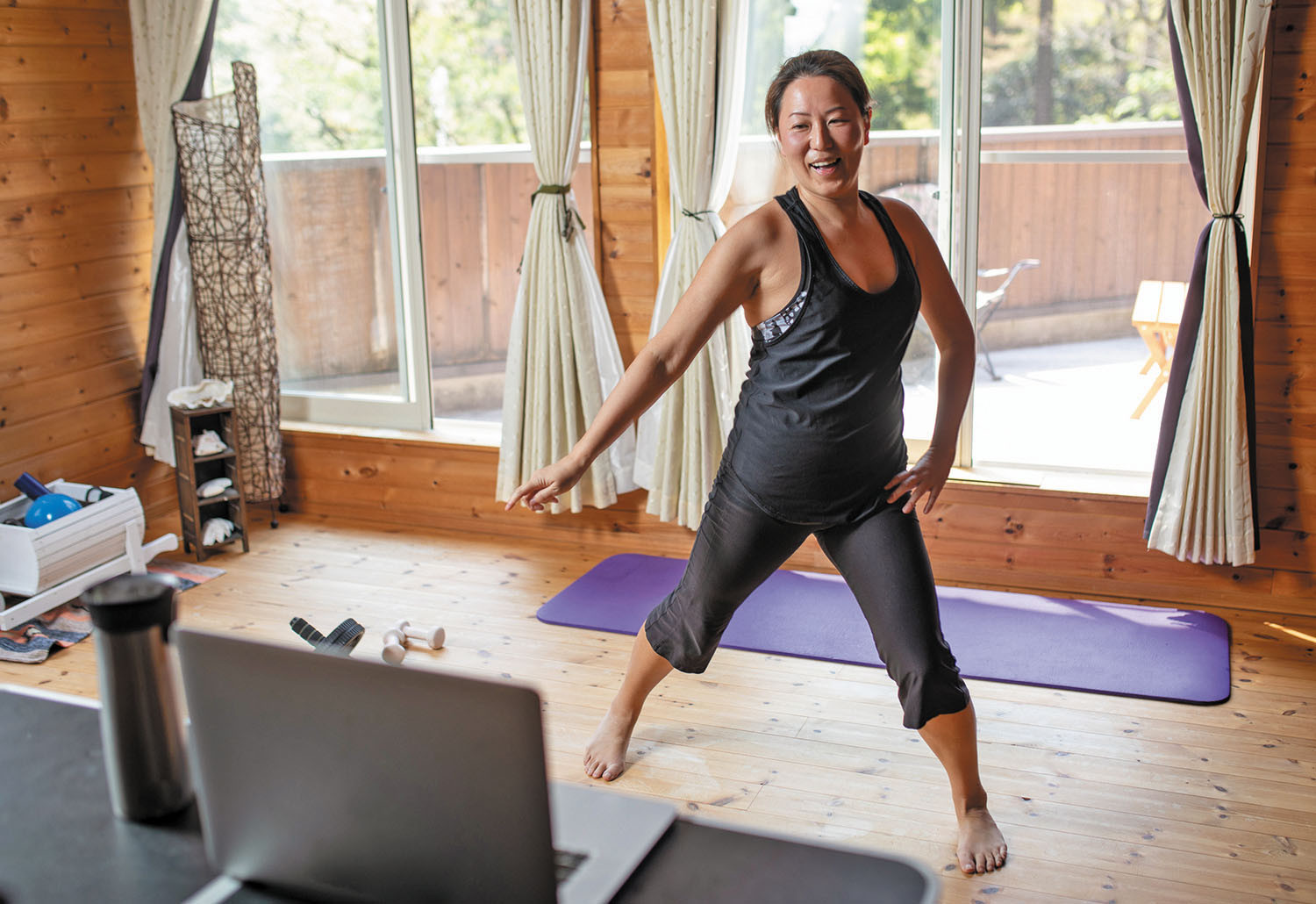
Stuck at home?
You can get a good workout anyway.
The winter months present numerous challenges to maintaining your fitness in a typical year. This year, with the COVID-19 pandemic, it may be harder than ever to get to the gym or your usual exercise class.
What can you do to keep your body in motion and not lose ground as the weather turns colder? The answer, luckily, is plenty, says Dr. Beth Frates, an assistant professor physical medicine and rehabilitation at Harvard Medical School. There are many effective workouts that don't require a large space, a gym, expensive equipment, or even a live instructor.

Easy ways to fight pandemic-era inactivity
Interrupt your sitting time with a break every hour.
For many people, the effects of the pandemic include less physical activity. But long periods of sitting are bad for health. They're associated with increased risks for obesity, diabetes, heart disease, stroke, cancer, and metabolic syndrome (a cluster of health conditions that include abdominal obesity, unhealthy cholesterol levels, high blood pressure, and high blood sugar). Too much sitting is even linked to an early death. The good news: staying active throughout the day helps reverse the effects of too much sitting.
Doctor's orders
"Take a two-, five-, or 10-minute break at least once per hour," advises Dr. Beth Frates, director of wellness programming for the Stroke Research and Recovery Institute at Harvard-affiliated Spaulding Rehabilitation Hospital.
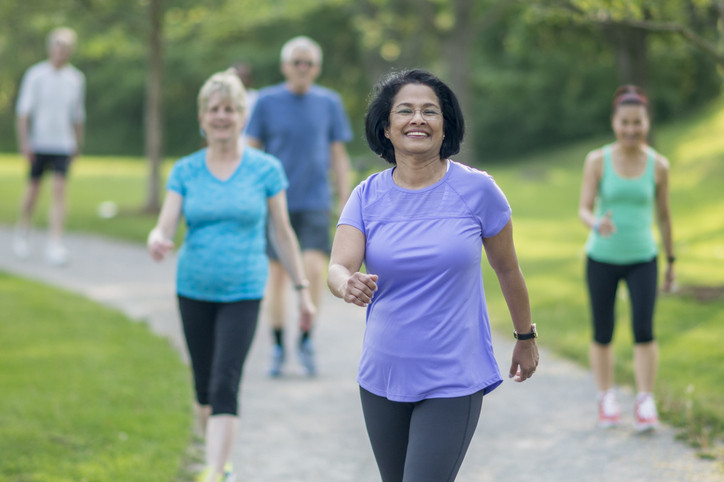
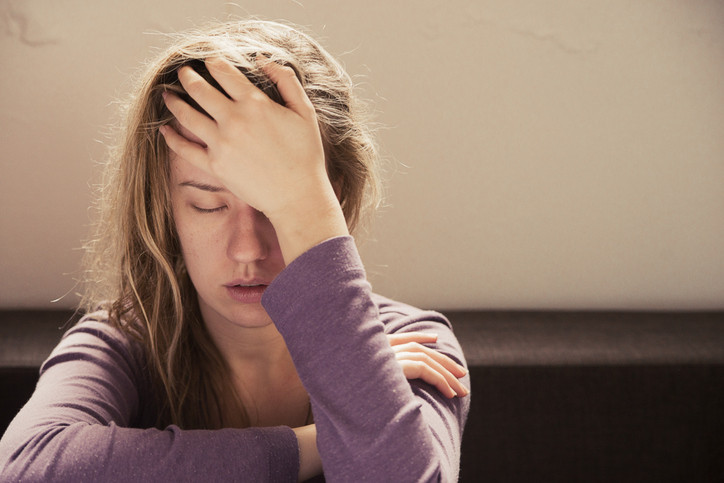
Illness-related fatigue: More than just feeling tired
It’s normal to feel tired, especially during the pandemic, and most people are able to push through the feeling and deal with their daily tasks. But fatigue that is caused by a specific illness is different, and it’s important to recognize these differences so you can be properly diagnosed and treated.

Fibromyalgia: Exercise helps — here's how to start
For people with fibromyalgia, pain is a part of daily life, and exercising is probably not something they feel like doing. But experts say it’s one of the most effective strategies to help manage the condition. So what’s the best approach to getting started?
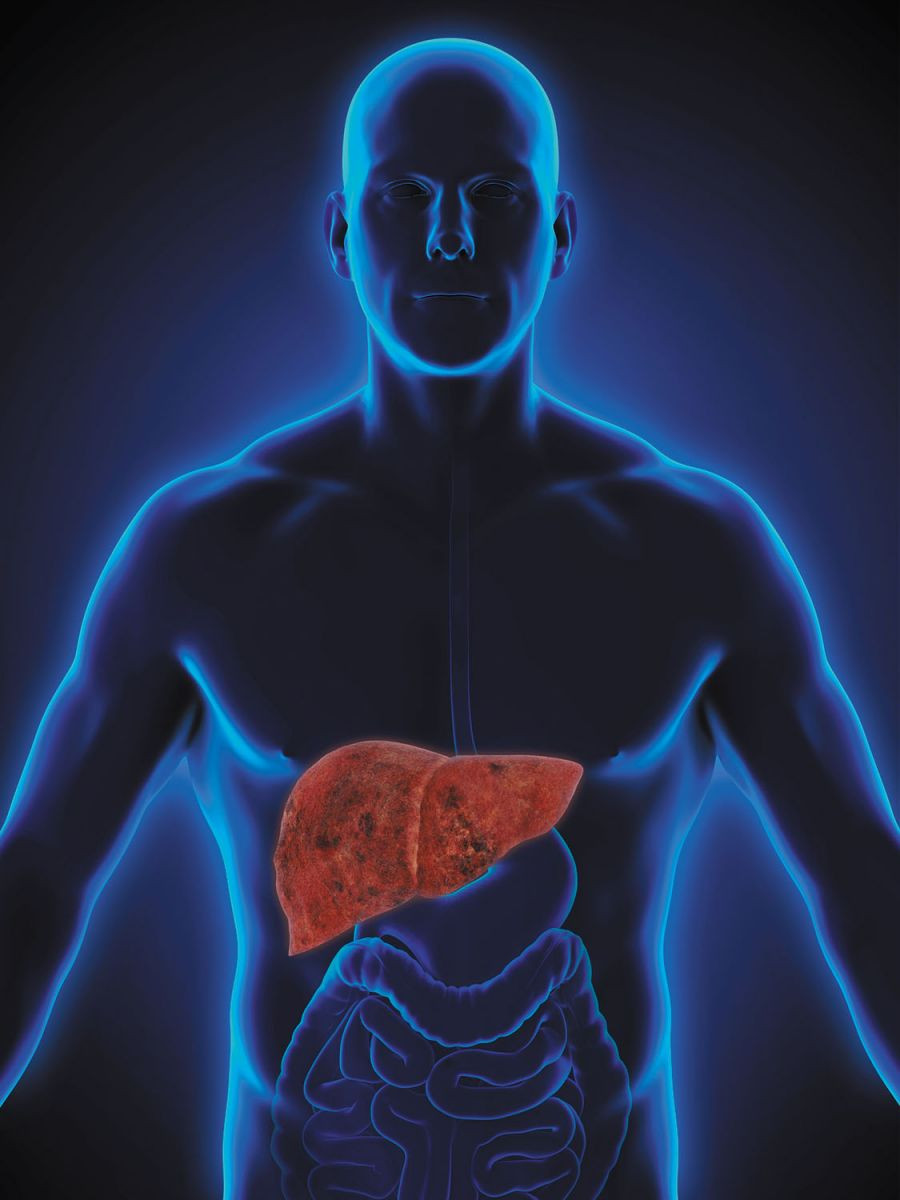
The skinny on fatty liver disease
Rates continue to rise, but there are ways to protect yourself and even reverse the effects of this dangerous disorder.
Your liver is your largest internal organ and your body's workhorse. Among its many jobs are converting food into fuel, processing fat from your blood, clearing harmful toxins, and making proteins that help your blood clot. Yet this hard-working, supersized organ is susceptible to a dangerous and often hard-to-diagnose condition called nonalcoholic fatty liver disease, or NAFLD.
NAFLD is defined as the presence of fat in more than 5% of liver cells. It is the most common liver disease and affects up to 25% of American adults, 60% of whom are men.
Healing after food poisoning
What is tempeh? Benefits, nutrition, and how to use it
Light exposure at night may raise risk for heart disease
Whole grains may improve several heart risk factors at once
A lumbar belt may help ease low back pain
Children of centenarians may stay healthier and live longer too, study finds
Signs of pneumonia: Sometimes vague and unexpected
The surprising link between ovarian cancer and the fallopian tubes
Using a vibration plate: What it can — and can't — do for your body
People who walk more or walk faster live longer, study finds
Free Healthbeat Signup
Get the latest in health news delivered to your inbox!
Sign Up
