

Signs of pneumonia: Sometimes vague and unexpected

The surprising link between ovarian cancer and the fallopian tubes

Using a vibration plate: What it can — and can't — do for your body

People who walk more or walk faster live longer, study finds

Rosacea treatments: What works?

For sleep apnea, a dental device may be as effective as CPAP

Carb cycling: What is it, and does it work?

Understanding orthorexia: Have your healthy eating goals gone too far?

Melatonin or magnesium: Can either supplement help you sleep?

Salmonella, E. coli, Cyclospora, and other germs that cause food poisoning: What you need to know
Endometriosis Archive
Articles

Women with diabetes may face more hidden heart damage
A 2025 study suggested that women with diabetes are nearly twice as likely as men to have hidden heart disease. These women might especially benefit from early screening for problems in the small blood vessels of the heart.

A new name for vaginal atrophy: Genitourinary syndrome of menopause
Genitourinary syndrome of menopause, or GSM, was once called vaginal atrophy. But experts changed the name to better reflect the full scope of symptoms, which include vaginal thinning and dryness; burning, irritation, and itching; pain during intercourse; urinary issues such as increased urgency and frequency; and higher risk of urinary tract infections. The majority of women with GSM symptoms don't discuss it with their doctors. But a Harvard expert says they should, since GSM is progressive and can lead to dangerous problems.

What can I expect during an endometrial biopsy?
An endometrial biopsy is the only way to rule out endometrial (or uterine) cancer. Any vaginal bleeding a year or more after a woman's final period raises the possibility of uterine cancer. The biopsy involves using a suction tube to gather cells from the uterine lining.

Poor sleep raises risk of heart problems in menopausal women
A 2025 study identified poor sleep along with high blood pressure, nicotine use, and high blood sugar levels as particularly important factors increasing the long-term risk of heart problems for women in midlife.
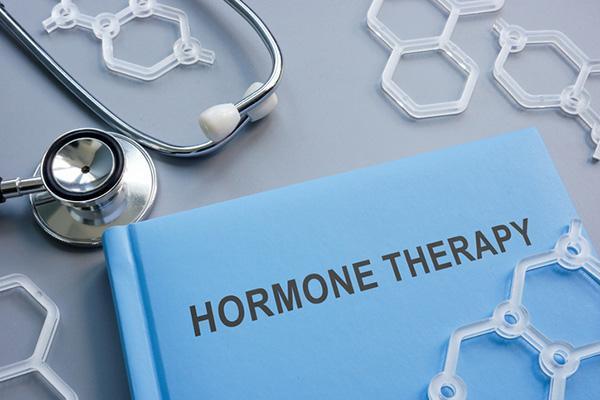
FDA removes menopause hormone therapy black box warnings
After an FDA panel was convened to review black box warnings on menopause hormone therapy, which includes both systemic and vaginal estrogen treatments, the FDA announced in November 2025 it would remove black box warnings from all hormone therapy products containing estrogen. Women considering hormone therapy should discuss their individual health risks with their doctor - such as a history of heart attack or stroke, a blood clot in the legs or lungs, hormone-sensitive cancer, active liver disease, and overall breast cancer and cardiovascular risks.

Navigating menopause after cancer
More than 10 million of the nation's 19 million cancer survivors are women, 80% of whom are 60 or older. Cancer survivors going through menopause may not be able to use systemic hormone therapy if their cancer was hormone-driven, but other measures can provide symptom relief. These include various medications and lifestyle modifications such as cognitive behavioral therapy, meditation, acupuncture, and regular exercise. Some women who can't use systemic hormone therapy may still try vaginal estrogen to ease vaginal dryness, some urinary symptoms, or painful sex.

What perimenopause symptoms should I tell my gynecologist about?
Women with unusual pelvic or vaginal symptoms should report them to their gynecologist. These symptoms include vaginal odor, itching, or burning; menstrual changes; pelvic pain or discomfort; or new bleeding.
What do vaginal probiotics do?
Vaginal probiotics contain live microorganisms and come in oral and suppository forms. Some ads claim these products can prevent or treat infections. But the vagina regulates its own bacterial mix, so vaginal probiotics aren't necessary.

Is acetaminophen safe during pregnancy?
A statement from a group of doctors and scientists raised concerns around taking acetaminophen during pregnancy, but research backing this is based on observational studies and animal studies, so that no firm conclusions can be drawn from it. Here's what to consider if you're pregnant.
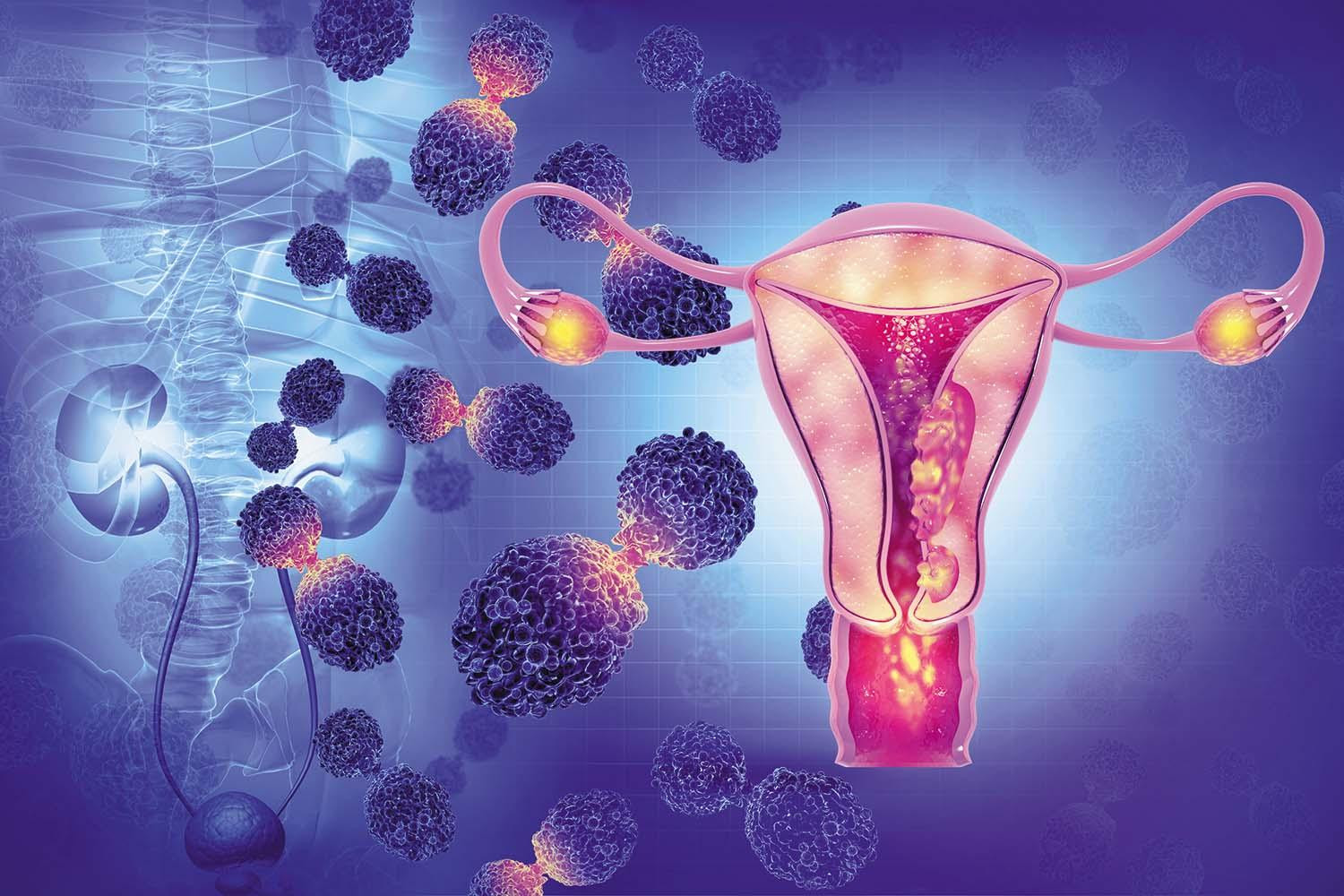
What raises your risk for gynecologic cancer?
Gynecologic cancers, which affect the ovaries, uterus, cervix, vagina, or vulva, are less common than breast cancer. Women can guard against these cancers by learning the risk factors for each type, which include obesity, exposure to human papillomavirus, and smoking. Women should also continue pelvic exams and cervical cancer screenings after a hysterectomy or menopause, as well as watch for unusual symptoms. Women with a strong family history of gynecologic or certain other cancers should consider genetic testing.
Signs of pneumonia: Sometimes vague and unexpected
The surprising link between ovarian cancer and the fallopian tubes
Using a vibration plate: What it can — and can't — do for your body
People who walk more or walk faster live longer, study finds
Rosacea treatments: What works?
For sleep apnea, a dental device may be as effective as CPAP
Carb cycling: What is it, and does it work?
Understanding orthorexia: Have your healthy eating goals gone too far?
Melatonin or magnesium: Can either supplement help you sleep?
Salmonella, E. coli, Cyclospora, and other germs that cause food poisoning: What you need to know
Free Healthbeat Signup
Get the latest in health news delivered to your inbox!
Sign Up
