

Light exposure at night may raise risk for heart disease

A lumbar belt may help ease low back pain

Signs of pneumonia: Sometimes vague and unexpected

The surprising link between ovarian cancer and the fallopian tubes

Using a vibration plate: What it can — and can't — do for your body

People who walk more or walk faster live longer, study finds

Rosacea treatments: What works?

For sleep apnea, a dental device may be as effective as CPAP

Carb cycling: What is it, and does it work?

Understanding orthorexia: Have your healthy eating goals gone too far?
Endometriosis Archive
Articles

Did exercise cause my prolapsed bladder?
Ask the doctors
Q. I was recently diagnosed with a prolapsed bladder. The doctor said it could be due to too much exercise. I've been exercising for more than 40 years and wonder if this is more likely to be age-related. Should people worry about exercise causing this problem?
A. When the bladder drops down from the pelvis and protrudes into the vagina, it's said to be prolapsed. This condition, known as cystocele, is uncomfortable and can also cause urinary problems.


Do you need a thyroid test?
Undetected low levels of thyroid hormone may underlie subtle changes that can increase your risk of cardiovascular disease.
For a gland only two inches in size, the thyroid has a huge influence on our health. It produces a hormone that is carried in the bloodstream to all parts of the body. Thyroid hormone plays a major role in regulating metabolism—the process by which body cells convert nutrients into energy—and thereby helps regulate body temperature, heart rate, and even brain function. So when thyroid hormone levels fall, the body slows.
You're probably aware of the common symptoms of low thyroid hormone—fatigue, fuzzy-headedness, weight gain, cold hands, and dry skin. But if you're like most of us, you're likely to blame your diet and exercise regimen instead of your thyroid if your cholesterol levels and weight are creeping up, especially if you don't have any of the other symptoms of low thyroid. "Symptoms are often nonspecific, and since women over 60 generally have more of these nonspecific symptoms, their doctors may not think to test for hypothyroidism," says endocrinologist Dr. Jeffrey Garber, associate professor of medicine at Harvard Medical School and author of The Harvard Medical School Guide to Overcoming Thyroid Problems.


Low-dose aspirin and ovarian cancer risk
Research we're watching
Image: © Robert Kirk/Getty Images
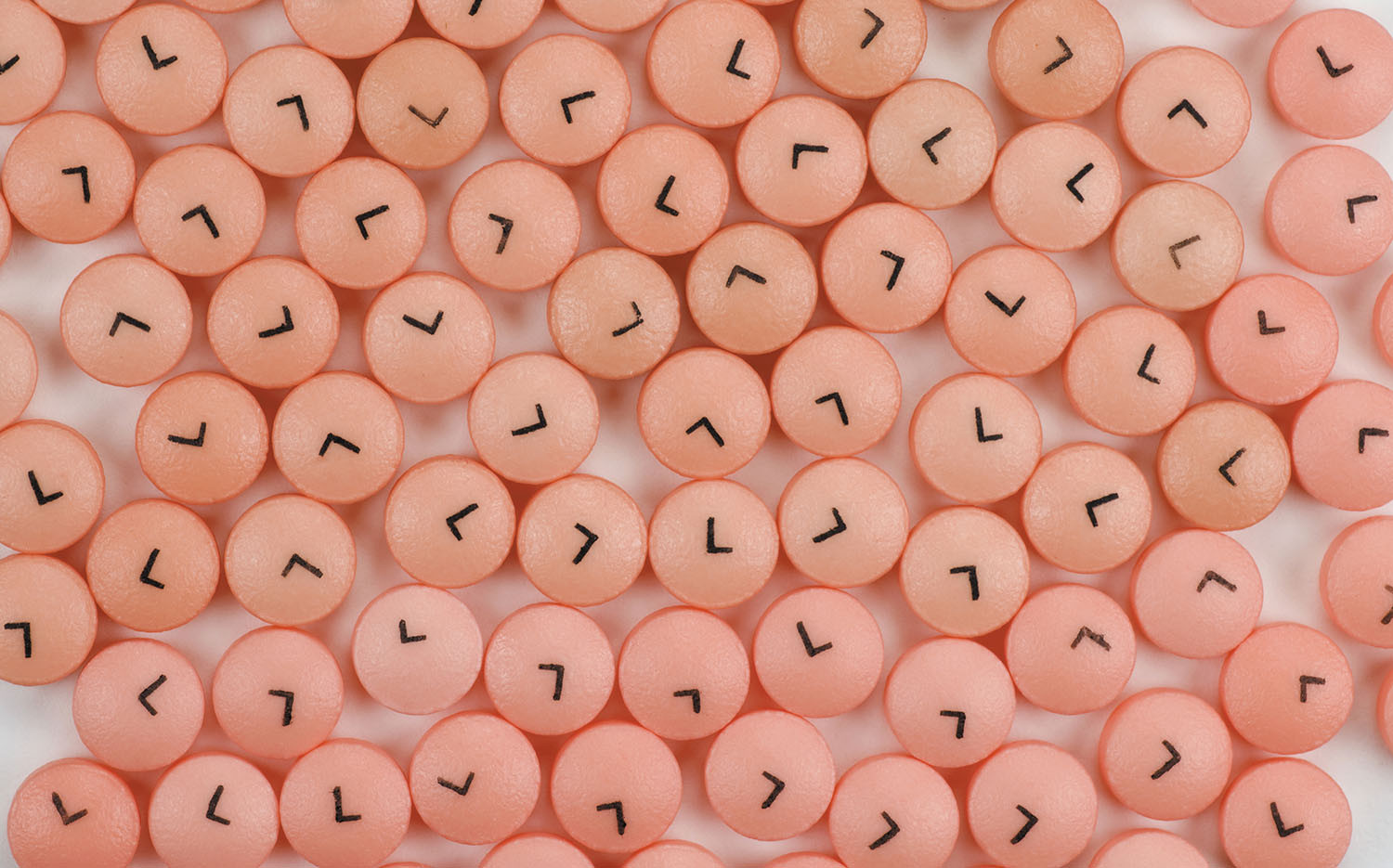
Anti-inflammatory medications may play a role in ovarian cancer risk. A study by researchers at the Harvard T.H. Chan School of Public Health found that taking low-dose aspirin regularly appears to reduce the risk of ovarian cancer by 23%. However, long-term heavy use of ibuprofen (Advil), naproxen (Aleve), and other nonsteroidal anti-inflammatory drugs (NSAIDs) seems to increase risk.
The study, published online October 4 by JAMA Oncology, looked at data on more than 200,000 women who participated in the Nurses' Health Study and Nurses' Health Study II. Among the group studied, 1,054 women went on to develop ovarian cancer. Researchers then looked at what type of medications the women took on a regular basis. They found that women who took at least 10 doses of NSAIDs a week for multiple years had an increased risk of ovarian cancer. Women who took low-dose aspirin regularly seemed to have a reduced risk — but the same was not true among women who took a standard-dose aspirin.

Is my urinary difficulty a normal part of aging?
Ask the doctors
Image: © Stratol/Getty Images
Q. Sometimes I urinate normally, but often I have to wait for the stream to start, or it takes much longer to finish. It may even stop and start, so I have to sit on the toilet much longer than in the past. I do feel that I empty my bladder, but it takes a while. Is this normal?
A. Urinary problems after menopause are common and may be related to age-related hormonal shifts or may have a separate medical cause. For this reason, it's always best to visit your doctor to discuss the problem. Difficulty starting or maintaining a stream of urine may be caused by many factors, including a blockage, an infection, certain medications, or a nerve problem that's affecting your brain's ability to get signals to the bladder, among others. Your doctor will likely recommend tests to search for the underlying cause and to customize your treatment.

Mediterranean diet reduces stroke risk, particularly among women
Image: Bigstock
Research we're watching
Eating a Mediterranean-style diet, which is rich in fruits and vegetables, lean meats, and nuts, may help women over 40 reduce the risk of stroke, according to a study published in the journal Stroke.
The study enrolled more than 20,000 adults, ages 40 to 77, who were asked to record what they ate in a seven-day diet diary. Researchers then compared their diet and their stroke risk over a 17-year period.
Light exposure at night may raise risk for heart disease
A lumbar belt may help ease low back pain
Signs of pneumonia: Sometimes vague and unexpected
The surprising link between ovarian cancer and the fallopian tubes
Using a vibration plate: What it can — and can't — do for your body
People who walk more or walk faster live longer, study finds
Rosacea treatments: What works?
For sleep apnea, a dental device may be as effective as CPAP
Carb cycling: What is it, and does it work?
Understanding orthorexia: Have your healthy eating goals gone too far?
Free Healthbeat Signup
Get the latest in health news delivered to your inbox!
Sign Up
