

Light exposure at night may raise risk for heart disease

Whole grains may improve several heart risk factors at once

A lumbar belt may help ease low back pain

Children of centenarians may stay healthier and live longer too, study finds

Signs of pneumonia: Sometimes vague and unexpected

The surprising link between ovarian cancer and the fallopian tubes

Using a vibration plate: What it can — and can't — do for your body

People who walk more or walk faster live longer, study finds

For sleep apnea, a dental device may be as effective as CPAP

Rosacea treatments: What works?
Emergency Planning Archive
Articles

What is hyperparathyroidism and how does it affect the body?
Hyperparathyroidism involves excess hormone production from tiny neck glands and can disrupt calcium balance, bone health and overall well-being.
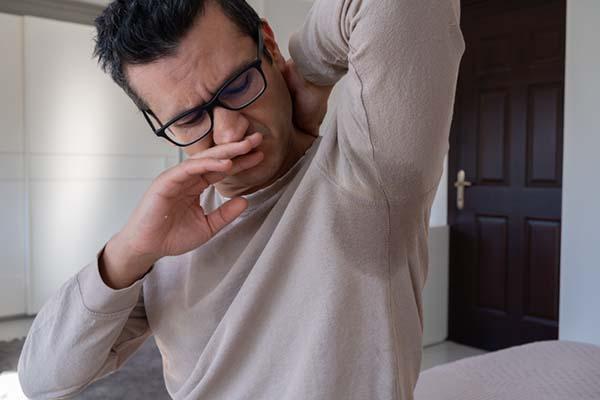
Body odor: How it changes — and how to improve it
Every person smells a little different, due to genetics, hygiene habits, and the skin’s microbiome (the microbes that naturally live on the skin), but body odor occurs when someone’s scent becomes foul. It is most noticeable when people are sweating, but body odor changes sometimes signal certain health conditions.
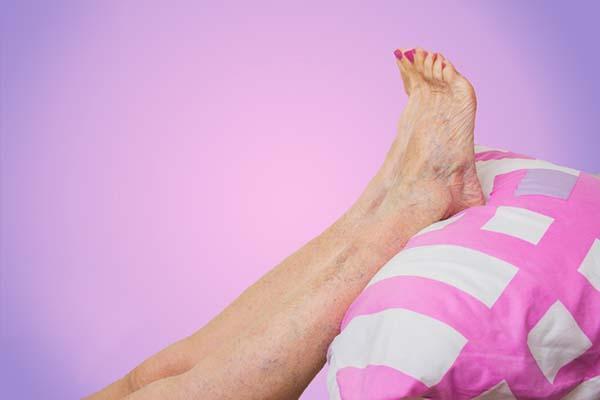
When is swelling in both feet a concern?
Swollen feet can stem from everyday factors or underlying health conditions, and recognizing the possible causes can help guide your next steps.
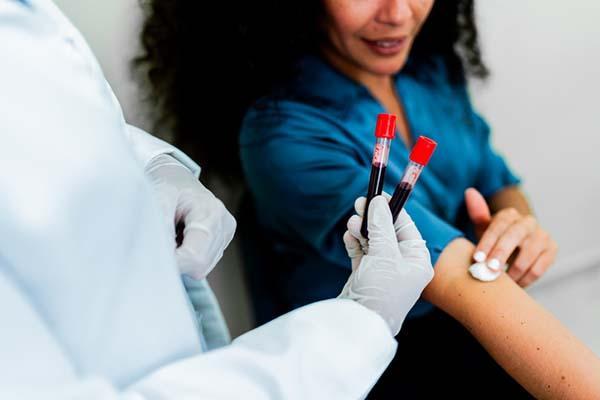
What does a low white blood cell count mean?
A lower-than-usual white blood cell count is often temporary, especially after illness. Find out what your number may mean and when retesting might be needed.

Can ingesting or being exposed to aluminum pose health risks?
Aluminum is common in foods, cookware, and personal-care products, but questions remain about how much exposure or ingestion matters.
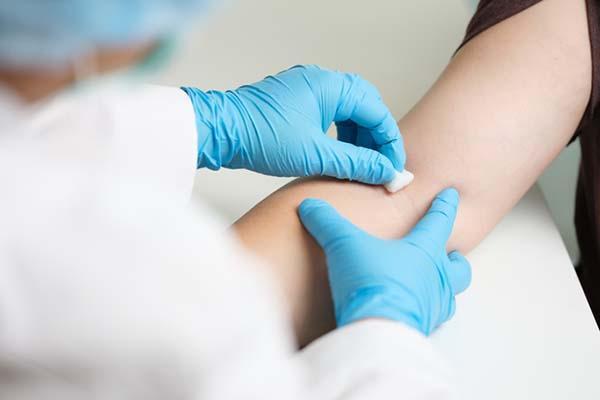
What does a positive TB skin test mean?
A positive TB skin test can raise questions about infection, exposure, and what happens next. Find out which follow-up steps may be needed.
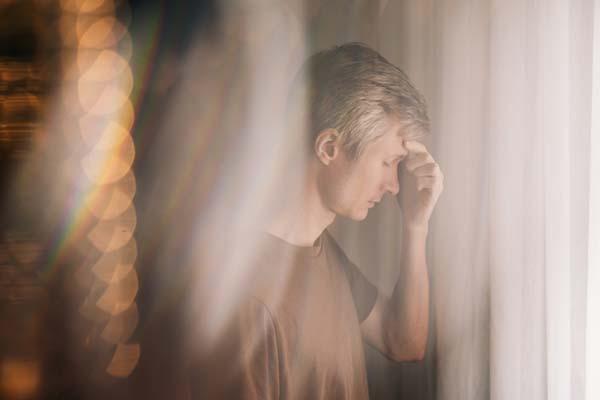
Are circles of light a common migraine symptom?
Transparent circles or other visual changes can appear before migraine pain. Find out what these symptoms may mean and what to discuss with your doctor.

Hot weather hikes: Staying safe when temperatures spike
Summer is a great time to take a hike, but it’s essential to make sure you’re prepared for the weather and conditions where you are. Hiking safely and planning ahead will make your trek more enjoyable.

The 5 pillars of longevity: Movement, nutrition, sleep, stress reduction, and social connection
The term “longevity” encompasses both living longer and staying in good health. Research consistently indicates that five lifestyle pillars promote longevity: movement, nutrition, sleep, stress reduction, and socialization. But it’s impossible to gauge which pillar counts most toward longevity.
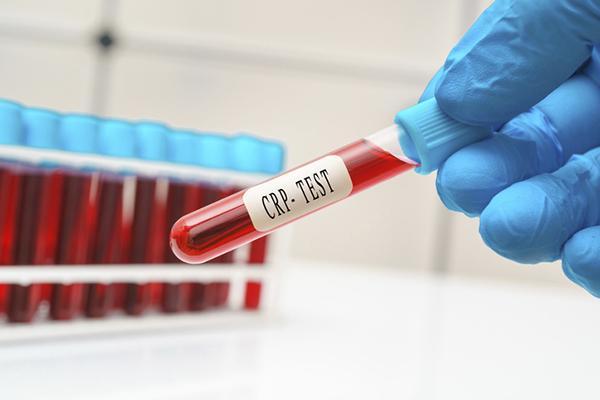
C-reactive protein: Should healthy people be tested for it?
Scientists are learning that chronic inflammation can raise people’s risk for cardiovascular disease much like established risk factors. The American College of Cardiology advocates measuring an inflammation marker called C-reactive protein in healthy people to reveal hidden heart disease risk.
Light exposure at night may raise risk for heart disease
Whole grains may improve several heart risk factors at once
A lumbar belt may help ease low back pain
Children of centenarians may stay healthier and live longer too, study finds
Signs of pneumonia: Sometimes vague and unexpected
The surprising link between ovarian cancer and the fallopian tubes
Using a vibration plate: What it can — and can't — do for your body
People who walk more or walk faster live longer, study finds
For sleep apnea, a dental device may be as effective as CPAP
Rosacea treatments: What works?
Free Healthbeat Signup
Get the latest in health news delivered to your inbox!
Sign Up
