

Naturally gluten-free foods

Harvard study: Healthier fats linked to longer life after prostate cancer diagnosis

Shingrix shingles vaccine linked with lower heart disease risks

Estrogen-only hormone therapy tied to lower dementia risk

Should you have a hysterectomy?

Stair climbing may significantly lower cardiovascular risks

Why do I sweat so much?

Walking pneumonia: The "mild" illness that can still pack a punch

What causes knee pain: How doctors make a diagnosis

Where you carry excess weight matters in predicting heart disease risk
Emergency Planning Archive
Articles
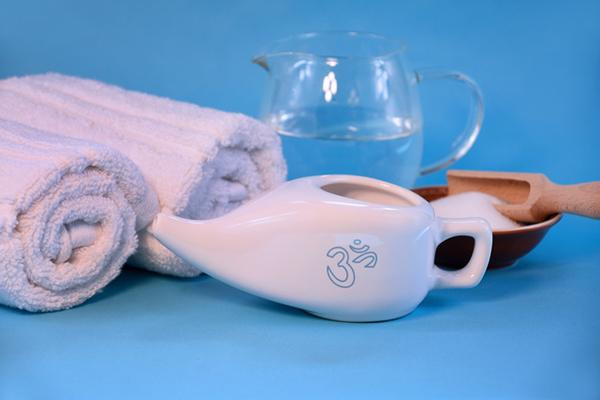
Can nasal irrigation help with winter colds and congestion?
Daily nasal irrigation (also called nasal rinses) may reduce symptom severity and the duration of a cold. It can also relieve the congestion caused by sinus infections and allergies. It is unclear whether it can prevent colds. By means of a squeeze bottle, neti pot, or battery-powered system, saline (salt water) is inserted into one nostril and flows out the other. It's important to always use sterile water, meaning distilled or cooled boiled water. The rinse helps wash away mucus and some inflammatory chemicals, reducing the swelling that's responsible for congestion.

What are the health benefits of elderberry?
Elderberry syrup or tea may help reduce the duration and severity of cold and flu symptoms. But the evidence for these benefits is uncertain, since the studies are small and most did not compare elderberry to standard treatments. Claims that elderberry products can prevent viral infections or boost immunity are unproven. Elderberry supplements appear to be relatively safe; in clinical trials, effects such as nausea, vomiting, or diarrhea were mild and rare.
The heart attack and stroke emergency playbook
Everyone should learn what to do if a heart attack or stroke occurs, beyond calling 911. It helps to become familiar with heart attack and stroke symptoms, so they can be recognized. It's also important to speak with one's own doctor in advance, to find out if he or she advises taking an aspirin in one of those emergencies. Other precautions include keeping emergency contact and medication lists updated and handy, and talking about emergency plans with family and friends, especially one's health care proxy.


Fear of falling: Do you have an emergency plan?
Because falls are a serious risk for people ages 65 and older, it's important to have an emergency plan in place. The plan should include a trusted contact who'll be able to help in the event of a fall, and an understanding of when to call 911 versus the doctor's office. It would also be beneficial to have a medical alert system that summons emergency contacts and 911 at the touch of a button. And it would help to consider which resources would be needed if a fall results in a long recuperation.

Packing your hurricane go bag? Make provisions for your health
When you're packing a hurricane go-bag, keep health priorities in mind. If you don't prepare in advance, you might leave behind medicines, medical supplies, important paperwork, and other essentials that can help you stay healthy. Here's how to plan ahead.

Natural disasters strike everywhere: Ways to help protect your health
Increasingly, floods, fires, and extreme weather stemming from climate change are contributing to large-scale health and safety issues for people everywhere. There are steps you and your family can take to help protect your health.

Respiratory health harms often follow flooding: Taking these steps can help
Flooding due to major storms or heavy rains can harm lung health, both from toxic contaminants that end up in the air and from the growth of mold caused by dampness. Taking steps to prevent flooding when possible and moving quickly to reduce health risks if flooding occurs can help protect your family's health.

Does your advance directive really capture your wishes?
A research letter published online April 25, 2022, by JAMA Internal Medicine suggests that existing advance care directives often don't reflect people's actual wishes (based on values and beliefs) and care goals.

Why don't more people know CPR?
Fewer than half of people who experience cardiac arrest outside of a hospital receive CPR from someone nearby. Shorter, more accessible training and help from technology may encourage more people to learn and administer this lifesaving technique. Another potential barrier to performing CPR is not recognizing the symptoms of cardiac arrest. Common mistakes include pressing down on the stomach instead of the center of the chest, not compressing the chest deeply enough, or giving compressions that are either too fast or too slow.
Naturally gluten-free foods
Harvard study: Healthier fats linked to longer life after prostate cancer diagnosis
Shingrix shingles vaccine linked with lower heart disease risks
Estrogen-only hormone therapy tied to lower dementia risk
Should you have a hysterectomy?
Stair climbing may significantly lower cardiovascular risks
Why do I sweat so much?
Walking pneumonia: The "mild" illness that can still pack a punch
What causes knee pain: How doctors make a diagnosis
Where you carry excess weight matters in predicting heart disease risk
Free Healthbeat Signup
Get the latest in health news delivered to your inbox!
Sign Up
